Best Discovery Kits for Kids: Hands-on Science and Creative Projects
Discovery kits empower kids to explore science, nature, and engineering through hands-on activities. This guide highlights five engaging kits that blend learning with imagination, making them ideal gifts for curious minds. Each featured kit brings tangible experiments, colorful components, and step-by-step instructions to help children build critical thinking, problem-solving, and creativity. Read on to compare activities, materials, and learning outcomes, and discover a practical buying guide to choose the right kit for different ages and interests.
| Product | Brand | Type | Highlights |
|---|---|---|---|
| National Geographic Science Magic Kit | Blue Marble | Science & Magic | 100+ experiments, magic tricks, wand and gloves |
| Creativity for Kids Grow ‘N Glow Terrarium Kit | Creativity for Kids | Terrarium & STEM | Grow ecosystem, glow-in-the-dark accents, kid-friendly setup |
| National Geographic Craft Kits for Kids – Crystal Growing Kit | Blue Marble | Crystal Growing & Craft | Grow crystal trees, color options, genuine geode specimen |
| National Geographic Light Up Terrarium Kit for Kids | Blue Marble | Terrarium & Night Light | Dinosaur habitat theme, USB-powered light, panoramic view |
| Discovery Model Engine Building Kit | Discovery | Engineering & Mechanics | 4-cylinder engine, working pistons, interactive components |
National Geographic Science Magic Kit

The National Geographic Science Magic Kit blends chemistry and physics with entertaining tricks. With 100+ experiments, children learn to bend metal with water, cause a test tube to vanish, and make a coin float. Each activity is designed as a magic trick to capture attention while teaching core scientific principles. The included wand and gloves enable kids to perform confidently for friends and family, turning learning moments into memorable demonstrations. Materials cover a wide range of topics, from states of matter to motion and energy, offering diverse exploration opportunities.
Creativity for Kids Grow ‘N Glow Terrarium Kit

The Grow ‘N Glow Terrarium Kit invites kids to cultivate a living mini ecosystem, combining science with art. This STEM project for ages 6 and up includes a plastic terrarium jar, potting mix, and quick-growing seeds to plant and watch twice. The kit also features glow-in-the-dark forest figurines, letting children illuminate their terrarium after sunset. Colorful sand and constellation stickers add a personal touch, so kids can design a unique habitat. The activity fosters observation, patience, and responsibility as plants require regular care.
National Geographic Craft Kits for Kids – Crystal Growing Kit

Grow crystal-covered trees with vibrant color options using five watercolor pens. This kit enables kids to color the evergreen, cherry, bonsai, and dragon blood trees before growing crystals on their branches, creating a sparkling forest project. A genuine geode specimen is included for close examination, enhancing scientific curiosity. A full-color learning guide provides crystal facts and context, making this a memorable STEM craft that blends science with art and storytelling.
National Geographic Light Up Terrarium Kit

This terrarium kit blends botany with an illuminated display. Kids create a dinosaur-themed habitat, choosing a backdrop and planting seeds to observe growth. The wide-mouth design makes setup easier for small hands, while the included USB-powered light lid eliminates battery changes and doubles as a night-light. The panoramic view lets children watch the habitat evolve as plants grow, enriching observational skills and fostering responsibility for living components in an enclosed ecosystem.
Discovery Model Engine Building Kit
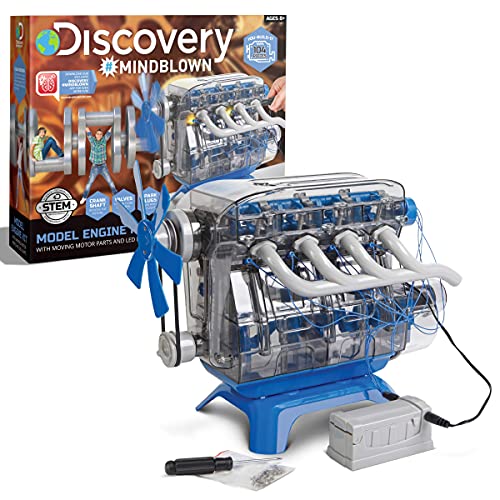
Over a hands-on modeling project, this kit engages kids and adults in engineering concepts. The Discovery Model Engine includes a 4-cylinder engine with working pistons, valves, belts, and LED indicators. Builders can explore mechanical systems by wiring cables to a battery pack and observing the engine operate. The kit is designed to boost critical thinking, problem-solving, and spatial reasoning as young engineers tinker with cranks, pulleys, and exhaust controls, turning theory into a tangible, kinetic experience.
Buying Guide: Key Purchase Considerations
- Age and safety: Check age recommendations and small parts suitability to match a child’s developmental stage. Look for non-toxic materials and clear safety guidelines.
- Learning goals: Decide if the child is more curious about science experiments, ecology and gardening, crystals, or engineering. Choose kits that align with their interests to maximize engagement.
- Skill progression: Some kits offer beginner-friendly activities with room to grow into more complex tasks. Consider whether the child will outgrow the kit quickly or benefit from expansion options.
- Materials and durability: Durable containers, reusable components, and quality consumables reduce waste and extend the kit’s life. Consider kits that include a storage solution for organization.
- Instructions and guidance: Step-by-step visuals and troubleshooting tips help independent learning and reduce frustration. Illustrated manuals are helpful for younger users.
- Storage and setup: Evaluate footprint, ease of setup, and whether the workspace is suitable for ongoing projects. Some kits require additional supplies like water, soil, or batteries.
- Educational value: Look for kits that emphasize scientific thinking, observation logs, and data recording to encourage methodical learning and curiosity.
- Multi-discipline appeal: Kits that blend science with art, crafting, or storytelling can sustain interest across different sessions and moods.
Across these selections, the kits emphasize active participation, observation, and guided discovery. Parents and caregivers can tailor the experience to the child’s pace, providing questions, prompts, and periodic challenges to deepen understanding. With diverse topics—from chemistry and crystallization to terrariums and engines—these kits can support STEAM growth while keeping learning engaging and enjoyable.