Best Coding Robots for 12-Year-Olds: Fun, Safe Learning Kits for Young Makers
Choosing the right coding robot for a 12-year-old can unlock creativity, problem-solving, and early STEM confidence. The following five products bring hands-on coding practice, friendly interfaces, and engaging missions that align with middle-grade curiosity. Each option supports Scratch, Python, or block-based coding, with robotics features that keep learning interactive and enjoyable. The list emphasizes safe, beginner-friendly designs while offering room to grow into more advanced programming concepts.
| Product | Brand | Features |
|---|---|---|
| Teach Tech Mech 5, Mechanical Coding Robot | Snap Circuits | Mission-based, entry-level robot; snaps Coding buttons onto a Coding wheel; throw, lift, kick, draw mechanisms |
| Makeblock mBot Robot Kit | Makeblock | Scratch & Arduino compatibility; line-following and obstacle-avoidance; easy build; remote control options |
| Demkia 5in1 STEM Robot Building Kit | Demkia | 560 pieces, 5 models; remote & Bluetooth APP control; 2.4GHz remote |
| Makeblock mBot2 Coding Robot | Makeblock | Scratch & Python; AI learning support; 8+ modes; long playtime; versatile connectivity |
| Sphero Bolt+ | Sphero | Drag-and-drop to Python/JavaScript; animated LCD; cross-curricular STEM tool |
The following sections spotlight five standout options. Each entry includes a clickable Amazon link, a product image, and a concise feature snapshot to help you compare quickly. No prices are shown here, just key capabilities and learning benefits.
Teach Tech Mech 5, Mechanical Coding Robot
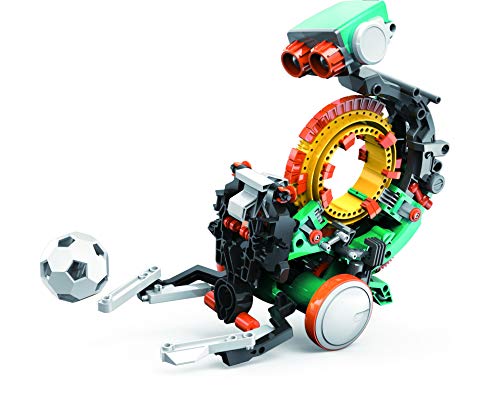
The Mech-5 is a unique mechanical coding robot designed for beginners. It emphasizes hands-on learning in mechanical engineering principles alongside coding basics. Its mission-based activities encourage exploration of movement, manipulation, and sequencing, with multiple actions—throw, lift, kick, draw—enabled by snapping coding buttons to a Coding wheel. This approach supports iterative testing and tangible understanding of cause and effect in robotics. Suitable for younger tech enthusiasts, it lays a foundation for more complex projects as skills grow.
Makeblock mBot Robot Kit

The mBot kit targets entry-level coders with a clear path from Scratch to Arduino. It emphasizes learning electronics, robotics, and programming step by step. The build is straightforward, often completed in about 15 minutes, and the kit offers multiple functions such as line-following and obstacle avoidance. Rich tutorials and three free Makeblock apps accompany the physical kit, enabling remote control, coding projects, and hands-on experimentation in a classroom or home environment. Battery details note that some accessories are not included, encouraging careful preparation.
Demkia 5in1 STEM Robot Building Kit

Demkia offers a 5-in-1 robot kit with 560 pieces to build five different models, including a robot and a tank. The kit features a flexible left arm, rotating turret, moving tracks, and an adjustable head, delivering dynamic play and robust mechanical design. It includes both a 2.4GHz remote and Bluetooth APP control, enabling versatile indoor and outdoor experimentation. This kit encourages engineering creativity through hands-on building, problem solving, and multi-model exploration, making it well-suited for curious minds who enjoy tinkering and design iterations.
Makeblock mBot2 Coding Robot

mBot2 expands learning with AI-inspired features and broad programming paths. It is fully programmable for kids aged 8-12, offering Scratch and Python capabilities. The kit includes a four-project coding path and access to extensive courses, guiding learners from basics to intermediate projects. It supports multiple control modes via APP, Bluetooth, USB, or Wi-Fi, and provides a flexible platform for ongoing exploration of robotics, computer science concepts, and hands-on hardware interactions. A strong choice for sustained skill-building in a classroom or home lab.
Makeblock mBot Robot Kit with Scratch Coding Box

This mBot box emphasizes ease of entry with block-based coding and four guided projects, including line-following and obstacle avoidance. The comprehensive package helps children begin coding swiftly, while the projects and manuals offer structured learning milestones. The combination of ready-to-learn tutorials and practical building experience makes it a practical option for families seeking a balanced mix of programming and hardware interaction. The kit is designed to be assembled quickly, promoting early success and continued curiosity.
ELEGOO UNO R3 Smart Robot Car Kit

The ELEGOO kit provides a complete Arduino-based experience, ideal for hands-on programming and electronics assembly. It includes 24 module parts like obstacle avoidance and line-tracing modules, with Android and iOS compatibility for remote control via phone or tablet. This kit is designed for gradual skill development from basic circuit understanding to more advanced robot control, making it a solid option for students who want a broader hardware-software integration project.
Makeblock mBot Ranger 3 in 1

The Ranger 3 in 1 kit delivers three distinct robot shapes—land Raider tank, Nervous Bird self-balancing walker, and Dashing Raptor racing car. Built around Scratch and Arduino programming, it blends hands-on construction with flexible coding. The dropdown of projects fosters growth from beginner tinkering to more sophisticated robotics work, reinforcing logical thinking, planning, and iterative testing. It’s well-suited for families or classrooms seeking a multi-vehicle robotics experience with clear learning milestones.
Buying Guide: Key Purchase Considerations
- Age-appropriateness and safety: Look for kits designed for ages 8–12 or older with hands-on, snap-tassembly or modular designs that minimize small, loose parts.
- Programming paths: Prefer kits offering Scratch or block-based coding for beginners, plus Python or Arduino support for progression.
- Hardware and sensors: Consider kits with essential sensors (line-following, obstacle avoidance, remote control) to teach feedback loops and control logic.
- Expansion potential: Check for compatibility with additional accessories, apps, or software updates to extend learning.
- Build time and complexity: Short build times help maintain early success; more complex models should still include clear instructions and tutorials.
- Learning resources: Access to tutorials, project cards, and online guides enhances independent exploration and structured curriculum alignment.
- Platform versatility: Kits with multiple control modes (Bluetooth, USB, Wi-Fi) offer flexible usage at home or in the classroom.
Across these options, the emphasis remains on engaging young learners through practical, project-based coding and robotics. Each kit supports foundational programming concepts while expanding toward more advanced skills as interest grows. Parents and educators can tailor choices to align with individual curiosity, whether the child enjoys mechanical play, digital coding, or a blend of both.