Best Math Manipulatives for Preschool: Hands-on Learning
Preschoolers build foundational math skills through playful, tactile activities. The following selection highlights engaging manipulatives that support counting, sorting, patterning, and early arithmetic. Each item is chosen for durability, safety, and classroom or homeschooling suitability, helping young learners explore numbers with confidence.
| Product | Brand | Key Benefit |
|---|---|---|
| Learning Resources MathLink Cubes | Learning Resources | One-to-one correspondence, counting to 100, patterning |
| Montessori Toys for 3-5 Year Old | BSADIY | Number recognition, simple addition/subtraction |
| JoyCat Ice Cream Preschool Learning | JoyCat | Color sorting, counting, fine motor play |
| Preschool Learning Toys for Toddlers | MOTREE | Counting, addition/subtraction, hands-on learning |
| Gserin Wooden Counting Numbers Peg Board | Gserin | Counting, sorting, patterning with wooden pegs |
Learning Resources MathLink Cubes — 100 Cubes
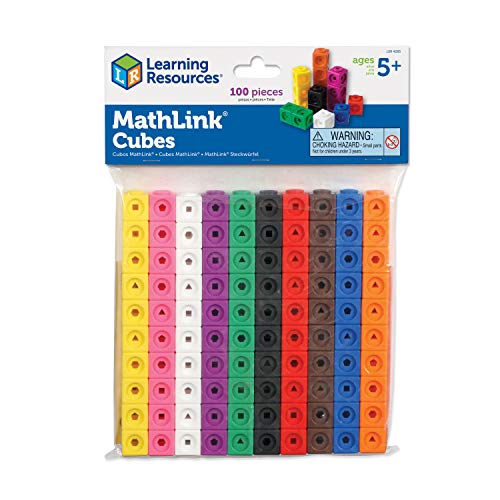
MathLink cubes offer versatile play for early math concepts. They support one-to-one counting, grouping, and the development of fine motor skills as children snap cubes together. Additional activities cover skip counting, making ten, graphing, and basic measurements. The set also aids color and shape identification and patterning. These cubes are suitable for homeschool or classroom use and align with foundational math readiness, including nonstandard measurement and basic addition and subtraction. The design encourages hands-on exploration and progressive math challenges.
Montessori Toys for 3-5 Year Olds

These wooden Montessori-inspired tools focus on number recognition and basic arithmetic through interactive blocks and cards. Children practice counting within ten, then progress to addition and subtraction with hands-on manipulation. The natural wood build emphasizes durability and a smooth surface for safe play. This set encourages curiosity, supports logical thinking, and helps establish confidence in early math concepts while reinforcing fine motor skills.
JoyCat Ice Cream Preschool Learning

This 30-piece counting and color-sorting set combines bright visuals with education. The ice cream scoops and cones feature numbers 1–10 to reinforce counting sequences, while color sorting and stacking activities promote early math logic and hand-eye coordination. Made from durable, child-safe material with smooth edges, it’s designed for repeated use in preschool classrooms or home learning environments, supporting number sense and early pattern recognition.
Counting Dinosaurs Montessori Toys
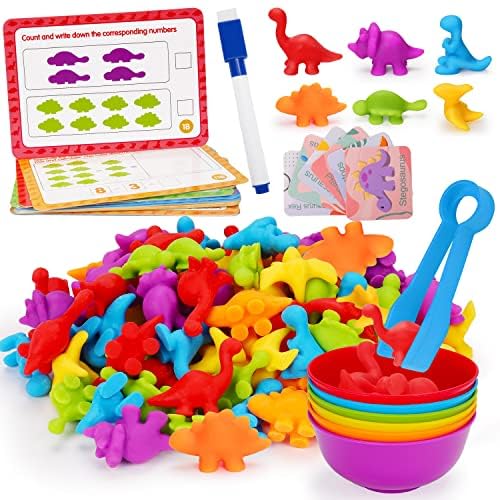
This dinosaur-themed set includes 72 color dinosaurs, learning cards, and bowls for sorting by color or size. It supports counting, comparing, and logical thinking as children organize colors and solve problems on the activity cards. The included tweezers and cards encourage fine motor practice and early math journaling or recording answers, making it useful for small-group activities or individual exploration in a preschool setting.
Preschool Learning Toys for Toddlers — MOTREE

These number counting blocks introduce basic addition and subtraction through tangible play. A wooden finger board, color blocks, and flash cards provide a hands-on pathway to understanding numbers up to ten. The Montessori-inspired design supports cause-and-effect reasoning and fine motor development, with durable construction designed for classroom use or home learning. The kit encourages repeated practice in counting, early math operations, and number sense through interactive play patterns.
Gserin Wooden Counting Numbers Peg Board

The peg board includes 55 wooden pegs across ten counting boards, plus a storage bag for portability. With vibrant animal and fruit imagery, the toy supports counting, sorting, and simple patterning. Made of solid beech wood, the piece emphasizes durability and smooth play surfaces to minimize splinters. This timeless tool is suitable for preschool activities, early math centers, or travel-friendly learning sessions, fostering number sense and fine motor coordination.
Buying Guide: Key Considerations For Choosing Preschool Math Manipulatives
- Age appropriateness: Ensure toys align with preschool or early kindergarten levels, supporting progression from counting to simple arithmetic.
- Durability and safety: Look for sturdy construction, smooth finishes, and non-toxic materials designed for repeated use and classroom wear.
- Hands-on engagement: Prefer manipulatives that encourage active exploration, experimentation with patterns, and problem-solving rather than passive play.
- Versatility: Items that support multiple math concepts (counting, comparison, patterning, addition/subtraction) provide longer-term value and activity variety.
- Storage and portability: Pieces with organizers or compact designs facilitate easy cleanup and use in different learning environments.
- Teacher and homeschool suitability: Consider sets that work well for small-group instruction, independent practice, and quick setup.
- Progression potential: Choose items that scale in difficulty—beginning with recognition and counting, then moving to more complex operations and word problems.
When evaluating options, compare the number of pieces, the quality of materials, and how clearly the manipulative ties to core early math standards. Combine a mix of counting, sorting, and foundational arithmetic tools to create a balanced learning center that supports diverse learners and pacing.