Best Tools for Kids With Autism: Sensory Aids for Focus and Calm
Parents, educators, and therapists increasingly rely on research-backed sensory tools to support children with autism. The right fidget toys, communication devices, and calming accessories can help reduce anxiety, improve focus, and facilitate social and learning activities. This article highlights five carefully chosen products designed to assist kids with autism and related sensory needs, covering tactile stimulation, communication support, noise management, and time awareness. Each item is evaluated for safety, practicality, and ease of use in home, school, or therapy settings.
| Product | Brand | Key Benefit |
|---|---|---|
| Scientoy Fidget Toy Set | Scientoy | Extensive sensory variety for focus and stress relief |
| Joyreal AAC Device for Autism | Joyreal | Nonverbal communication enhancement and customization |
| ProCase Noise Cancelling Headphones | ProCase | Reduces sensory overload from loud environments |
| JOYIN 4-Pack Fidget Tubes | JOYIN | Calming, tactile tubes for focus and self-regulation |
| Yunbaoit Visual Timer | Yunbaoit | Visual time management aid for structure and predictability |
Scientoy Fidget Toy Set For Sensory Breaks
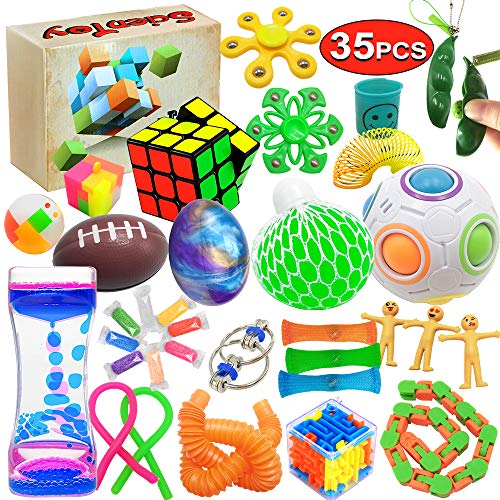
The Scientoy Fidget Toy Set includes 35 pieces of varied sensory tools, such as rainbow balls, liquid timers, maze puzzles, mesh and marble fidget toys, foam putties, and more. Materials are described as non-toxic ABS plastic and other kid-friendly substances. The assortment supports different modes of play—squeezing, stretching, flipping—providing multiple avenues to channel energy and reduce anxiety. It is designed for children with autism, ADHD, OCD, and stress relief, with a gift-ready presentation that makes it suitable for classroom rewards or home use. Safety standards cited include ASTM/CPC/EN71 compliance.
Key considerations: a broad range of textures and interactions can help identify individual preferences, but the large variety may require some initial exploration to determine the most effective items for a specific child. The set’s broad spectrum supports both early learners and older kids, though supervision is advised for younger children due to small components. Cleaning and maintenance should be considered between classroom and home use.
Joyreal AAC Device For Autism

The Joyreal AAC device offers 24 pre-installed instructions in picture and color formats to support nonverbal communication. It includes 6 programmable buttons that users can record with their own voice to convey tailored messages, enabling personalized communication in daily routines. The device emphasizes portability with a lightweight design and a convenient storage bag, and requires 3 AAA batteries for sound output with adjustable volume to suit different environments. This tool is positioned for both children and adults needing enhanced expressive abilities and therapy-supported communication.
Considerations include the learning curve for programming buttons and the need for consistent usage to maximize benefits. For some users, pairing the AAC device with ongoing speech therapy can reinforce communication goals. Battery management and replacement should be planned for regular use, especially in school settings where portability and durability matter.
ProCase Noise Cancelling Headphones

ProCase kids’ headphones feature a solid ABS shell with thick sound-absorbing foam. They offer an SNR of 27 dB and both US and EU safety certifications, providing reliable noise reduction to minimize sensory overload in noisy environments. An adjustable headband accommodates growing kids, with a note that initial tightness may require a brief stretch period to achieve comfortable fit. This product is intended for use in classrooms, during events, or at home where loud stimuli can be overwhelming. Proper sizing and monitoring ensure safe wear and continuous use during activities requiring calm and focus.
Key considerations include the balance between sufficient noise reduction and comfort, as well as the durability of the headband over time with daily use. Cleaning and storage practices should be established to maintain hygiene in shared settings like classrooms or therapy rooms.
Fidget Classroom Must Have 6PC Sensory Toys

This set includes six tactile fidget stones designed for quiet classrooms, offering varied textures and colors. The materials are described as non-toxic silicone, providing durability, ease of cleaning, and repeated use in school environments. The toys support sensory exploration, fine motor development, and stress relief without creating disruptive noise. Their compact size makes them portable for backpack or pocket storage, making them suitable for use as classroom rewards or personal calming tools during transitions and independent work.
Considerations include ensuring all members of a classroom understand appropriate use to avoid distraction, and verifying that the silicone is food-grade and BPA-free for safety. The simple design benefits both younger children and older students needing discreet sensory options during lessons.
Two Pack Sensory Weighted Bracelets

These sensory weighted bracelets provide deep pressure input, targeting SPD, autism, and ADHD. The design supports hand and wrist stability, helping children stay focused during tasks like writing or painting. An adjustable hook-and-loop Fastening system allows tailoring to individual wrist sizes, enhancing comfort and effectiveness. The bracelets encourage continued engagement with activities by providing a calming, grounding sensation that can reduce anxiety and improve attention in both classroom and home settings.
Key considerations include selecting appropriate weight and fit to avoid discomfort, and monitoring usage time to prevent overstimulation. They are best used as part of a broader sensory strategy that includes breaks and varied activities to maintain engagement and comfort.
Sensory Autism Toys: Textured Stretchy Noodles

LESONG’s textured stretchy noodles offer glow-in-the-dark and shimmering textures aimed at sensory play for autism. Each string features a unique texture and tension, with a set of eight colors and lengths that can stretch up to several feet. These noodles are designed to relieve stress and anxiety, aid focus, and provide a tactile experience for kids and adults. They are appropriate for home use, school workshops, or therapy sessions, and are easy to clean and store.
Considerations include monitoring for safety, especially with younger children who might bite or chew on components. The long stretch capability can be advantageous for proprioceptive input but may require supervision to prevent pulling on hair or clothing during play.
JOYIN 4-Pack Fidget Tubes

JOYIN’s fidget tubes provide sensory stimulation through tactile exploration and visual appeal. The set is described as suitable for speech therapy, calming activities, and quiet classroom environments. These tubes promote focus, fine motor control, and self-regulation through hands-on play, helping children practice turn-taking and social interaction in a low-pressure setting. The bright colors and varied textures can make them engaging for a wide age range, from preschoolers to elementary students.
Considerations include ensuring tubes are used safely to prevent injuries or ingestion of small pieces. They pair well with other SEL resources and can support structured routines such as calm-down corners or sensory breaks during the day.
Buying Guide: Key Purchase Considerations For Sensory Tools
When selecting tools for kids with autism, consider the child’s sensory profile, age, and therapy goals. The following factors help guide decisions across products:
- Safety and materials: Look for BPA-free, non-toxic, and hypoallergenic materials. Verify safety certifications where available (ASTM, EN71, CE).
- Texture and engagement: Choose a mix of textures (soft, firm, stretchy, granular) to identify best-fitting tools for comfort and focus.
- Portability and storage: Compact items support use in classrooms and on the go. Durable cases or gift boxes aid organization and sharing.
- Communication support: For nonverbal users, AAC devices or picture-based prompts can complement sensory tools and improve daily interactions.
- Durability and cleaning: Reusable tools should withstand frequent use and be easy to clean in shared environments.
- Customizability: Devices with programmable features enable tailoring to individual routines and responses to therapy goals.
- Quiet versus active aids: Some environments require silent tools; others benefit from interaction that channels energy productively.
- Age appropriateness: Ensure items are suitable for the child’s age to prevent frustration or safety concerns.
- Clinical alignment: Consider how tools align with existing therapies (speech therapy, occupational therapy, behavior therapy) for integrated use.
In practice, a balanced selection often includes a mix of tactile fidgets, a communication aid, a calming accessory, and a visual timer. This combination supports sensory regulation, expressive needs, and time-management skills in diverse settings, from home routines to classroom transitions. Always consult with caregivers or therapists to tailor choices to the child’s unique profile and to establish consistent, structured usage.