Best Dissection Kits for Kids: Safe at-Home Science Learning
Discover engaging, kid-friendly dissection kits designed to teach anatomy, biology, and science inquiry in a safe, classroom-like setting at home. The selected kits focus on safe synthetic materials, kid-appropriate tooling, and guided learning to help young scientists explore organs, systems, and developmental biology without the need for real specimens. Below, five top-rated options are highlighted, each with features focused on hands-on exploration, clear learning guides, and refill options to extend study sessions.
| Product | Brand | Key Feature |
|---|---|---|
| Dissect-It Upgraded Frog Dissection Toy Kit | Dissect It | Full skeletal and organ anatomy with refill gel kits |
| Dissect-It Simulated Synthetic Bat Kit | Dissect It | Safe bat anatomy with refill gels and dissection table |
| Dissect-It Kit for Kids: Super Frog | Dissect It | Extended guide, online plan access, multiple organs |
| National Geographic Frog Dissection Kit | Blue Marble | Glow-in-the-dark bones, 11 organs, safe gel |
| Discover-It Butterfly Metamorphosis Kit | Dissect It | Butterfly cocoon dissection experience |
Dissect-It Upgraded Frog Dissection Kit

The Dissect-It Upgraded Frog Dissection Kit offers a realistic yet safe classroom-like dissection experience using a gelatin membrane that reveals organs and the skeletal structure. The kit includes a Dissect-It Plus Frog, full-color instructions, an extended dissection table, and plastic dissection tools. Two refill gel kits are included to support repeated practice and deeper understanding. The 10-page learning guide outlines frog anatomy and organ functions, helping students connect hands-on activity with basic biology concepts.
Dissect-It Simulated Bat Dissection Kit

Designed for safe and engaging exploration, the Dissect-It Bat kit uses gelatin-like material to simulate bat anatomy without animal use. Suitable for ages 6 and above, it includes a bat specimen, dissection table, instructions, and plastic tools, plus two refill gel kits for ongoing study. The included guide outlines the bat’s skeletal structure and internal organs, offering a clear, step-by-step approach to learning about animal biology in a kid-friendly format.
Dissect-It Kit for Kids: Super Frog

The Dissect-It Super Frog kit enables kids to reveal a frog’s organs and skeletal system within a synthetic membrane. It includes a Dissect-It Super Frog, dissection table, instructions, online learning plan access, and tools, plus two refill gel kits for extended sessions. The 14-page learning guide covers frog anatomy and features a bonus quiz to reinforce knowledge, making it suitable for structured learning or homeschooling projects that emphasize critical thinking and science literacy.
National Geographic Frog Dissection Kit

This glow-in-the-dark synthetic frog dissection kit from National Geographic provides a scientifically accurate, humane alternative to real dissections. The gel encases 11 organs and glowing bones, allowing kids to remove and study pieces, then reassemble the frog for repeated practice. The kit includes tools, a guide, and a dissection table, making it a robust option for classroom-like depth at home, especially for Halloween-themed or light-up science explorations.
Discover-It Butterfly Metamorphosis Kit

The Discover-It Butterfly Metamorphosis Kit offers a butterfly cocoon dissection experience with a gel specimen, butterfly toy, learning guide, folding dissection table, and tools. The kit uses a safe, odor-free synthetic material enabling kids to slice through the gel to reveal a hidden butterfly toy. It emphasizes safe, hands-on exploration and science literacy about metamorphosis, providing a tactile way to study life cycles and anatomy while encouraging curiosity and inquiry-based learning.
National Geographic Human Body Model For Kids
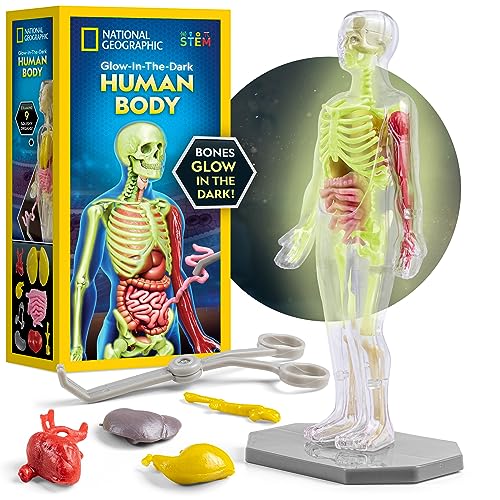
This 32-piece human anatomy model from National Geographic (Blue Marble) exposes nine removable organs, 18 glow-in-the-dark bones, and arm muscles inside a 9-inch shell. The kit includes a display stand, forceps, an identification chart, and a detailed learning guide. It combines a hands-on approach with visual, step-by-step exploration of bones, organs, and muscles, offering a broader view of human biology suitable for older kids and STEM-focused families interested in anatomy and physiology.
KiwiCo Froggie Lab Dissection Plush Toy

The KiwiCo Froggie Lab Dissection Plush Toy offers a playful, age-appropriate approach to anatomy learning for younger kids. A plush Frogigo enables pretend dissections with kid-friendly tweezers to explore “internal” organs, combined with diagnosis-card play to simulate symptoms and organ-based challenges. This toy emphasizes early exposure to anatomy concepts, frog life cycles, and hands-on problem-solving in a safe, imaginative format suitable for ages 3 and up.
Buying Guide: What to Consider When Choosing a Dissection Kit For Kids
- Age suitability and safety: Look for kid-friendly materials (gel or silicone), non-toxic components, and tools designed for small hands. Ensure the kit provides clear safety instructions and supervision recommendations.
- Learning scope: Some kits focus on frogs, others include bats, butterflies, or human anatomy. Match the kit to your child’s interests and your curriculum goals, such as anatomy basics, life cycles, or physiology concepts.
- Educational support: Prefer kits with detailed guides, diagrams, and learning plans. Online resources or printable quizzes help reinforce concepts and assess progress.
- Reusability and cost per use: Refill kits or reusable components extend learning value. Consider kits that offer gel refills or interchangeable parts to maximize engagement.
- Safety of dissection experience: Some kits use artificial organisms and glow-in-the-dark features for novelty, which can be appealing, but ensure the learning outcomes remain substantial and science-based.
- Storage and setup: A sturdy dissection table or mat and organized tool storage help maintain a tidy learning space. Check if the kit includes a dedicated workspace and storage for components.
- Age-appropriate complexity: For younger children, simpler kits with guided steps and guided questions work well. For older kids, kits with more organs and deeper explanatory text provide richer learning.
- Teacher or parent facilitation: Many kits benefit from guided discussion or step-by-step instruction. Consider how much facilitator support you’ll provide and whether you’ll supplement with extra materials.
- Assessment opportunities: Quizzes, labeling activities, and hands-on tasks can help track understanding. Look for resources that offer assessment ideas or printable activities.
- Ethical and safety considerations: Emphasize humane, synthetic specimens to minimize discomfort and safety concerns while still delivering realistic anatomy exploration.