Best Alphabet Toys for Toddlers to Boost Early Learning
Discover engaging alphabet toys designed for toddlers that build letter recognition, phonics, fine motor skills, and vocabulary. This guide highlights five top picks with varied learning styles—from interactive electronics to wooden puzzles—so parents can choose options that align with their child’s interests. Each item supports early literacy in a safe, age-appropriate way. The following summary table helps you compare key attributes at a glance.
| Product | Brand | Key Benefit |
|---|---|---|
| VTech ABC Learning Apple | VTech | Interactive letters, sounds, melodies, memory skills |
| Zeoddler Alphabet Puzzles | Zeoddler | Wooden 26-letter puzzle for motor skills |
| Melissa & Doug Self-Correcting Alphabet Puzzle | Melissa & Doug | Self-correcting pieces, portable storage |
| Electronic Alphabet Wall Chart | GaHoo | Talking ABCs, numbers, and music posters |
| Alphabet Puzzle with Board & Letter Blocks | Attmu | 26 uppercase blocks, puzzle board for spells |
Choosing the right alphabet toy depends on child interests and learning goals. Interactive devices can accelerate phonics and sound-letter associations, while wooden puzzles emphasize tactile exploration and fine motor control. Some toys blend both approaches with open-ended play, which supports creativity alongside literacy basics. This article presents five curated options that cover a spectrum of learning styles, ensuring a balanced approach to early literacy development.
VTech ABC Learning Apple
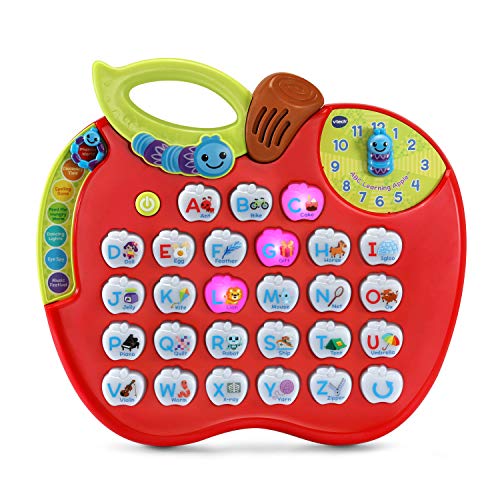
Eight learning activities introduce preschoolers to letters, phonics, spelling, words, memory skills and time concepts, with seven play modes to challenge learners. A quiz mode reinforces knowledge, and 26 light-up letter buttons pronounce names and sounds while introducing words that begin with each letter. Switch modes to hear melodies and sound effects, supporting auditory learning and musical rhythm around literacy basics.
Zeoddler Alphabet Puzzles

Wooden puzzles feature all 26 uppercase letters. The natural wood construction supports durable, hands-on learning and becomes a convenient, portable activity for toddlers. The design emphasizes graspability, helping little hands develop fine motor skills as children explore letter shapes and begin recognizing alphabet patterns.
Melissa & Doug Self-Correcting Alphabet Puzzle

This wooden puzzle set includes 52 pieces with both capital and lowercase letters paired with labeled images. Each piece fits only with its correct match, enabling self-correcting practice that builds confidence through hands-on discovery. A sturdy storage box enhances portability for learning on the go, while open-ended play supports letter recognition and vocabulary building.
Electronic Alphabet Wall Chart

This talking poster blends alphabet instruction with numbers and music. Its back-side design introduces shapes, colors, and counting, expanding early math and literacy concepts. The device offers bright visuals, adjustable volume, and tactile interaction by touching pictures, letters, or numbers. While primarily cognitive, it reinforces letter-sound associations through interactive play and sing-along songs.
Alphabet Puzzle With Board & Letter Blocks

This educational puzzle features 26 uppercase letter blocks and a wooden board. The large pieces and bright illustrations promote letter recognition and early spelling activities. The included puzzle board helps children practice placing letters in a logical sequence, supporting cognitive development and fine motor skills as they manipulate and spell simple words.
Buying Guide
Key purchase considerations for toddler alphabet toys include safety, age-appropriateness, and learning goals. Look for non-toxic finishes, rounded edges, and sturdy construction suitable for rough toddler handling. Choose toys that align with core literacy milestones such as letter recognition, phonemic awareness, and vocabulary expansion. Consider learning styles: interactive electronic toys can accelerate sound-letter connections and memory recall, while wooden puzzles favor hands-on problem solving and fine motor development. Multi-sensory options—those combining visuals, sound, and touch—tend to maintain engagement longer and support diverse learners.
Durability and portability matter for families on the move. Puzzles with storage boxes or flat-pack designs travel well and reduce clutter. For autism or sensory needs, select toys offering calm, repetitive, non-overstimulating activities or gentle auditory cues. When possible, balance screen-free activities with occasional interactive devices to foster independent exploration and guided learning. Assess future growth: some toys scale with early readers by introducing more complex phonics or word-building tasks. Finally, verify compatibility with siblings’ interests to ensure ongoing motivation and long-term value.
In sum, a well-rounded approach includes a mix of wooden puzzles for tactile learning, printable or wall-chart formats for visual and auditory reinforcement, and select electronic toys for interactive phonics play. By matching features to a child’s developmental stage and preferred play style, parents can create an engaging, effective literacy-building environment that supports a smooth transition into early reading.