Best AI Robots for Adults: Smart Desktop Companions for Home and Work
AI robots for adults blend companionship, productivity, and learning into one device. This guide highlights five top options that balance personality, practical features, and secure connectivity. Each option brings distinct strengths—from voice assistants and memory to interactive games and classroom-grade learning tools—so you can choose the robot that best fits your lifestyle, workspace, or personal interests.
| Product | Brand | Notable Features |
|---|---|---|
| ENERGIZE LAB Eilik | ENERGIZE LAB | Emotional interactivity, offline play, desktop companion |
| Vector Robot by Anki | Digital Dream Labs | Voice recognition, Alexa built-in, cloud updates |
| Loona Robot Pet Dog | Loona | Face & gesture recognition, real-time conversation, mobile connectivity |
| LOOI Robot-Space Black | TangibleFuture | ChatGPT-powered memory, expressive personality, face recognition |
| EMOPET Desk Robot | EMOPET | ChatGPT-enabled, voice commands, dancing and gaming |
These robots illustrate how AI-powered devices can function as learning aids, productivity partners, and social companions. They vary in how they respond to voice, gestures, and touch, and each one offers distinct ways to customize experiences—from memory-based conversations to interactive games and remote monitoring features. Consider your environment, privacy preferences, and how you want to interact with technology when comparing these models.
Vector Robot By Anki: A Smart Home Companion
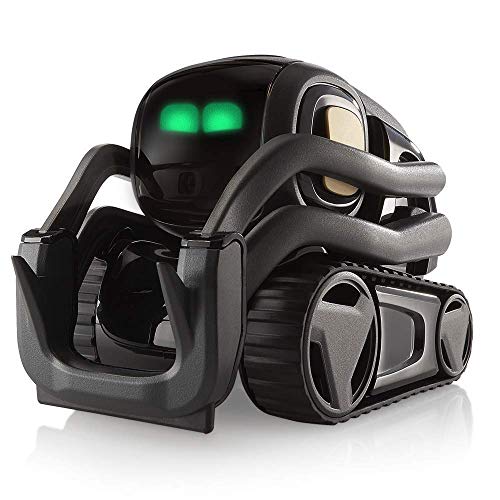
Vector Robot is designed to engage with users through sight, sound, and touch. It’s a personable home robot that answers questions, takes photos, and provides practical assistance like weather updates and time management. Its voice recognition and Alexa-built-in capabilities enable hands-free control, while regular cloud updates expand its skill set. Vector’s responsive personality makes it suitable as a desk-side assistant or a casual conversational partner, especially for users who value proactive, contextual assistance in daily routines.
Loona Robot Pet Dog: Real-time Interaction
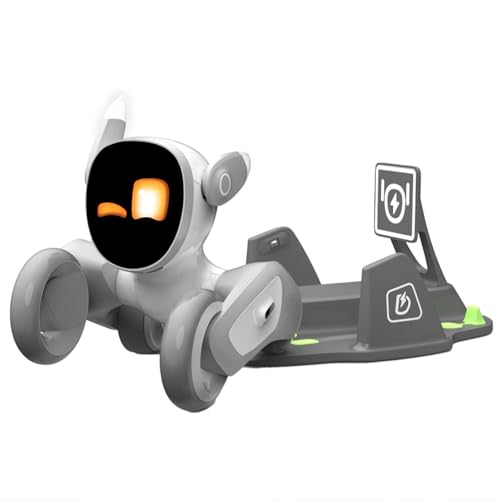
Loona offers high-definition vision and voice-enabled AI, enabling face recognition, gesture interpretation, and natural conversation. The robot responds to commands in real-time, making it feel like a responsive companion rather than a static gadget. It also supports offline and online operation and continuous improvement through software updates. For adults seeking a playful yet intelligent desktop partner that can adapt to social interactions, Loona provides a compelling balance of personality and practical features.
TangibleFuture LOOI: A Personal ChatGPT Desktop Companion

LOOI stands out with memory-backed conversations and a personality that evolves through daily interactions. Powered by ChatGPT, it can recall past chats, offer thoughtful responses, and adjust its behavior based on experiences with the user. Its sensor suite includes face recognition and gesture awareness, which support safer and more intuitive interactions on a desk or in a small room. While English and Chinese are the current language focuses, LOOI aims to provide nuanced, long-term engagement for adults seeking a more humanlike AI companion.
EMOPET Desk Robot: ChatGPT-Enabled Desk Side Buddy

EMOPET brings a compact desk-based AI companion with voice control, interactive games, and a conversational AI backbone built on ChatGPT. Its ability to respond to commands, dance to music, and collaborate with a companion app makes it suitable for workplace breaks or casual learning sessions. The integrated camera and online connectivity enable more complex interactions, while the app offers additional activities that enhance user engagement and ongoing skill development in a low-stress, entertaining format.
Buying Guide: Key Purchase Considerations
- Purpose and use-case: Decide whether you want a social companion, a productivity assistant, a learning tool, or a mix of these. Some robots emphasize conversation and memory, while others focus on interactive gaming or monitoring capabilities.
- Privacy and data handling: Check how each device stores data, whether conversations are saved, and if there is cloud-based processing. For sensitive environments or personal use, prioritize devices with clear privacy controls and local processing options.
- Voice and gesture interaction: Consider how you prefer to interact—voice commands, gestures, or touch. Devices with robust gesture recognition and natural language understanding provide smoother experiences in daily life.
- Learning and adaptability: Some robots update their skills via cloud services, while others rely on offline operation. If ongoing feature expansion matters, choose a model with regular updates and a strong developer ecosystem.
- Display and sensing capabilities: Look at camera quality, depth sensing, facial recognition, and the ability to work in varied lighting. Higher-quality sensors enable more accurate interactions but may raise privacy considerations.
- Power and mobility: Assess battery life, charging options (dock vs. cable), and whether the robot remains functional during power outages or device resets.
- Age range and safety: While many models target both adults and kids, verify age recommendations, especially for home or office spaces with pets or small items that could be misused by younger users.
- Connectivity requirements: Some robots rely on Wi-Fi or cloud services for updates, while others can operate offline. If you have limited connectivity, prioritize devices with offline modes or local processing.
- Support and ecosystem: A strong companion app, regular firmware updates, and a responsive customer support channel add long-term value and ease of use.
When choosing among these options, map your priorities to the product strengths. For instance, Vector’s voice-driven features and Alexa integration suit a busy desk environment with quick queries. Loona’s advanced perception and real-time conversation are ideal for users seeking a more social, lifelike interaction. LOOI’s evolving personality provides a highly personalized experience, while EMOPET offers entertainment and collaborative activities suitable for a relaxed home or office atmosphere. ENERGIZE LAB’s Eilik stands out for offline play and expressive, touch-driven interactions that don’t require constant connectivity.