Best Electronic Toys for 3 Year Olds: Fun, Safe Tech for Early Learning
Parents and guardians are continually seeking engaging, developmentally appropriate electronic toys for preschoolers. The following 5 picks blend interactive features with safety and educational value, helping 3-year-olds explore music, motion, drawing, language, and problem-solving. Each product combines bright visuals, simple controls, and age-appropriate activities designed to entertain while promoting early skills such as coordination, color recognition, and language development.
Summary Of Chosen Products
| Product | Brand | Key Benefit |
|---|---|---|
| Hamourd Robot Toys for 3 Years Old | Hamourd | Remote-controlled fun with LED eyes, dancing modes, and auto-demo. |
| Bravokids LCD Writing Tablet | bravokids | Mess-free drawing board with eye-friendly color screen. |
| Flooyes Dance Mat | Flooyes | Interactive dance pad with Bluetooth, games, and light cues. |
| Peacurh Trilingual Learning Toy Tablet | Peacurh | Multilingual learning with music, sounds, and interactive modes. |
| KOKODI LCD Writing Tablet | KOKODI | 10-inch color doodle board with eco-friendly, reusable design. |
Hamourd Robot Toy With LED Eyes

The Hamourd robot offers a multifunctional entry into remote-controlled play for beginners. Its LED eyes light up, and the robot can blink or close them via the handheld controller. A smart voice feature lets the robot speak or sing, adding personality to playtime. The tank tracks enable forward, backward, and turning movements, while a 360-degree demo mode provides automatic dancing with flexible head and arm motions. The 2.4GHz remote controller minimizes interference, supporting multiple robots operating simultaneously for cooperative play. The design emphasizes ease of use and engaging, age-appropriate activities that help develop motor skills and cause-and-effect understanding.
Key features include a 360-degree spin demo, dancing actions, and LED-driven expressions that keep a child’s attention. The toy runs on a rechargeable setup, which makes it suitable for frequent use without constant battery swaps. It’s designed as a beginner-friendly introduction to remote control toys, encouraging exploration, rhythm, and spatial awareness. As a suggestion for parents, pair the robot with simple mission-based games to promote turn-taking and sequencing skills during play sessions.
Bravokids 10-Inch LCD Writing Tablet

This 10-inch LCD writing tablet provides a color-friendly, radiation-free display suited for prolonged drawing and scribbling sessions. The screen supports easy viewing and non-glare use, allowing kids to express creativity without paper waste. The Bravokids board emphasizes environmental friendliness with a long-lasting built-in battery and up to 100,000 writes, making it an economical and mess-free option for doodling, note-taking, and early writing practice. A one-button erase feature helps children quickly reset for new drawings, while a lock button helps preserve important artwork for a moment of pride before erasing.
Flooyes Electronic Dance Mat

The Flooyes dance mat invites physical activity through music and light-up prompts. The 6-button layout supports multiple modes, including a Simon Says-style memory game, which helps develop sequence memory and response timing. Built-in Bluetooth lets you connect personal playlists for personalized dance sessions, while 5 game modes and varying difficulty levels challenge growing motor skills and rhythm recognition. The mat is designed with a non-slip bottom and waterproof surface to ensure safe use on different floor types, making it suitable for indoor play and party activities alike. The product emphasizes coordinated movement, auditory feedback, and early music exposure in a kid-friendly format.
Peacurh Trilingual Learning Tablet

This tablet combines language development with interactive play, offering English, Spanish, and French content to support early bilingual exposure. It covers a broad set of themes, including alphabet, shapes, colors, numbers, and animals, to foster vocabulary acquisition and cognitive association. The device includes multiple play modes such as Learning, Quiz, Music, and Pretend Play, encouraging a variety of learning experiences. The content-rich design supports listening, pronunciation, and memory skills while remaining approachable for toddlers and preschoolers. The trilingual capability makes it a versatile option for families seeking multilingual exposure from an early age.
KOKODI 10-Inch LCD Writing Tablet
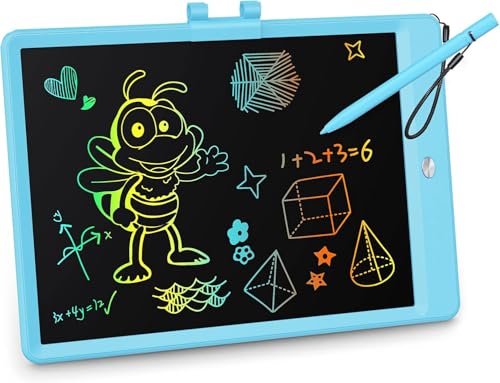
The KOKODI 10-inch color LCD doodle board emphasizes safety and reuse. The screen uses pressure-sensitive LCD technology to deliver vivid color without glare, reducing eye strain during extended drawing sessions. A replaceable battery provides several months of use, and the external design includes a screw-secured battery compartment for child safety. The erase function allows quick clearing of the screen, making it easy to start new activities, while the device supports various drawing and writing experiences that can help with fine motor development, color recognition, and early writing prep. The tablet’s simplicity and durable construction align well with 3-year-olds’ needs for short, focused play periods.
Buying Guide: Key Purchase Considerations For 3-Year-Olds
- Safety and age-appropriateness: Look for toys with rounded edges, non-toxic materials, and clearly stated age guidance. Avoid small parts that could be choking hazards for younger children.
- Ease of use: Buttons, remotes, and touchscreens should be intuitive for a 3-year-old. Voice prompts and simple navigation help children engage without frustration.
- Educational value: Favor toys that encourage cognitive skills (alphabet, numbers, colors, shapes), language development, and fine or gross motor control through guided play.
- Durability and care: Choose devices with durable casings and easy-to-clean surfaces. Waterproof or wipe-clean materials reduce mess and maintenance burden.
- Battery and charging considerations: Rechargeable options reduce ongoing costs, and long battery life minimizes interruptions during play.
- Parental involvement: Some toys include guided activities or apps that support parent-child interaction, which is important for learning retention.
- Multilingual and accessibility features: If your family speaks multiple languages, consider toys offering bilingual or multilingual modes to foster early language exposure.
- Future-proofing: Select toys with expandable content (new games or modes via updates) to extend their lifespan beyond early toddler years.
Product-Specific Buying Considerations
- Remote-control robots: Prioritize stability, simple controls, and fun movement; ensure the remote uses a standard frequency to minimize interference with other devices.
- Writing tablets: Consider screen size, glare level, and erase-and-lock features to balance creativity with ease of use and screen cleanliness.
- Dance mats: Check for non-slip bases and responsive sensors; Bluetooth-enabled mats can diversify music options but ensure compatibility with your devices.
- Multilingual tablets: Verify language availability and pronunciation quality for reliable vocabulary practice and pronunciation modeling.
Depth And Perspectives
All selected products aim to balance entertainment with developmental benefits. Remote-control play supports executive function, spatial awareness, and impulse control, while drawing tablets and writing pads foster fine motor skills and early literacy. Dance mats introduce rhythmic movement and coordination, and multilingual devices expose children to new sounds and vocabularies, potentially boosting cognitive flexibility. Parents should consider the child’s interest and temperament when selecting a toy, ensuring it aligns with safety guidelines and family routines.
In summary, these five options provide varied entry points into technology-enhanced play for 3-year-olds. They cover creative expression, physical activity, language development, and interactive problem-solving—each designed to sustain curiosity while promoting essential early-learning outcomes. When integrated into a family’s playtime, they can offer structured, screen-time-conscious opportunities for growth and joy. Always supervise initial use and gradually introduce new features as the child gains confidence.