Best Toys for Down Syndrome: Engaging Picks for a 6-Year-Old
The right toys can support sensory processing, fine motor skills, and cognitive development for children with Down syndrome. This guide highlights five carefully chosen toys that align with common developmental goals for a 6-year-old, emphasizing safety, engagement, and educational benefits. Each product features hands-on activities, calm-down elements, and opportunities for parent–child interaction.
Summary Table
| Product | Brand | Key Benefit |
|---|---|---|
| Sensory Activity Board | Spkwis | Fine motor skills, tactile exploration, calming interactions |
| Take Apart Dinosaur Toys | Laradola | Problem-solving, sequencing, hands-on building |
| Brain & Memory Game Cube | PlayRoute | Memory, concentration, portable entertainment |
| Matching Letter Game | LIWIN LET’S GO! | Letter recognition, early literacy, parent–child interaction |
| Sensory Fidget Toys — Leap Frog | UIIOPJIOM | Calming sensory input, travel-friendly |
Spkwis Sensory Activity Board

The Sensory Activity Board by Spkwis emphasizes a creative structure that strengthens hands-on ability and stimulates creativity through varied textures and colors. It supports fine motor skills and hand-eye coordination via actions such as pushing, peeling, tying, and building. The dual-side design offers two distinct play patterns to keep a child engaged, and its non-toxic silicone construction is designed for safety. This toy also serves as a relaxation tool, with tactile experiences that can help calm nerves and reduce anxiety during screen breaks or transitions.
Laradola Take-Apart Dinosaurs
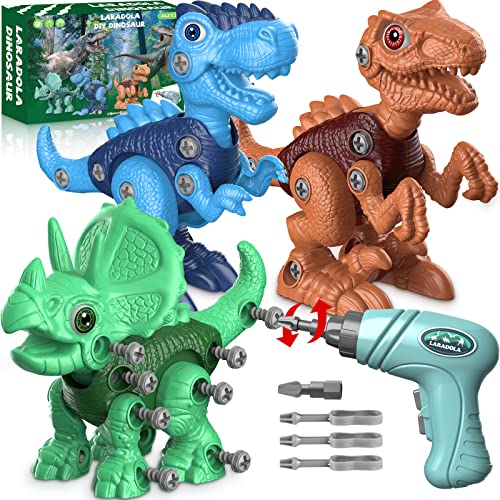
Laradola’s take-apart dinosaur kit is designed to build independence and confidence. The set includes oversized parts and edges that are chamfered for safety, along with a kid-safe low-speed electric screwdriver to simplify assembly. It offers a 3-in-1 STEM experience with color-coded pieces and step-by-step instructions, guiding children through sequencing and problem-solving. This activity supports hands-on construction, patience, and the satisfaction of completing a project without excessive adult assistance.
PlayRoute Light Up Brain Cube
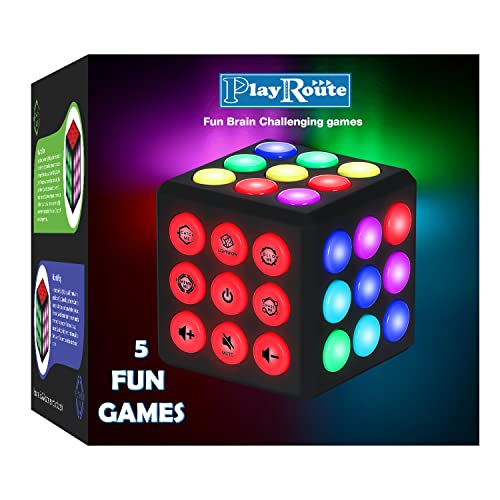
The PlayRoute Electronic Brain & Memory Game Cube offers five interactive games that train memory and concentration. Its handheld, travel-friendly design makes it suitable for unpredictable routines and car trips. The cube features light-up elements that add a visual cue for kids to follow, providing a fun and accessible way to practice memory sequences and attention skills. It’s adaptable for a broad age range, which can be helpful in family activities.
LIWIN LET’S GO! Matching Letter Game
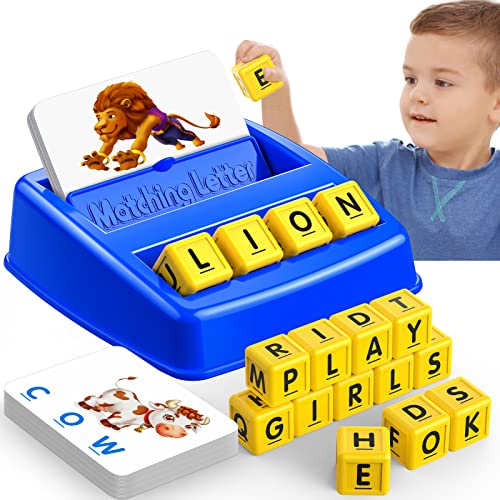
LIWIN LET’S GO! focuses on early literacy through a matching letters game designed for ages 3–8. It promotes memory, spelling, and word recognition while encouraging strategic thinking and social interaction during parent–child play. The game’s design supports vocabulary development and cognitive identification abilities, useful for a 6-year-old navigating reading readiness. Clear instructions help caregivers integrate the activity into learning routines without friction.
UIIOPJIOM Leap Frog Sensory Toys (2-Pack)

This 2-pack of squishy leap frog sensory toys provides tactile exploration with liquid-filled interiors and glitter, offering a calming sensory experience. The bright colors and gentle sounds support attention, anxiety management, and sensory regulation. Their compact design makes them suitable for travel and on-the-go use in classrooms or therapy settings, helping children engage in sensory play without becoming overstimulated.
Buying Guide: Key Purchase Considerations
- Sensory needs and preferences: Identify whether the child benefits from tactile, visual, auditory, or a combination of sensory inputs. Toys with multiple textures and sounds can be particularly effective for sensory processing challenges.
- Safety and durability: Look for BPA-free materials, non-toxic finishes, rounded edges, and age-appropriate components. Durable construction reduces the need for frequent replacements and supports longer-term use.
- Motor skills and cognitive goals: Choose toys that support fine motor practice (pegging, twisting, building) and cognitive skills (memory, sequencing, letter recognition) in line with the child’s development plan.
- Engagement and portability: For kids who travel or attend school, portable, self-contained options with simple setup can minimize frustration and maximize consistent use.
- Family involvement: Games that encourage parent–child interaction can reinforce learning, language development, and social skills in a supportive environment.
- Therapeutic alignment: Consider tools that complement existing therapy goals (occupational, speech, or behavioral therapy) and promote calming strategies during transitions or anxiety episodes.
- Maintenance: Look for products with easy cleaning and replaceable parts when possible to maintain long-term usability.
When selecting toys for a 6-year-old with Down syndrome, aim for a balanced mix of sensory, cognitive, and motor-focused activities. This approach supports broader development while providing engaging, enjoyable experiences that fit into daily routines.