Best Adaptive Toys for Special Needs to Support Sensory Learning
Adaptive toys designed for special needs environments can help children and adults build focus, reduce anxiety, and practice essential skills through engaging, multi-sensory play. The following selections emphasize calming textures, switch-accessible devices, and portable tools that support classroom, therapy, and home settings. Each pick is evaluated for safety, accessibility, and practical use in diverse care routines.
| Product | Brand |
|---|---|
| Squishy Sensory Toys for Kids | Demilong |
| Adapted Toys Switch Adapted Beaver | LDK Adapted Toys |
| Switch Adapted Puppy Play Set | Generic |
| Ted Kangaroo Sensory Soft Squeeze Seat | TED KANGAROO |
| Sensory Fidget Toys for Kids and Adults | SMALL FISH |
Squishy Sensory Toys for Kids

The Demilong sensory tube combines a maze-like channel with liquid, glitter, and beads to create visual flow and tactile engagement. Its triple sensory stimulation targets sight, sound, and touch, offering a decompression experience that may help alleviate anxiety and stress. The device resembles a gamepad in shape, and squeezing prompts the contents to move, promoting focus and concentration during play. It aims to provide a calming activity for children and adults dealing with autism, ADHD, or general stress, while offering a visually engaging and audible sensory experience.
Adapted Beaver Switch Device

This device is a switch-adapted replica designed to work with an external switch (not included). It emphasizes accessibility by repurposing the original switch mechanism for easier activation. It is important to note that part of the device has been removed from its original packaging to facilitate switch adaptation. Caution advised for caregivers, with a choking hazard warning due to small parts; not suitable for children under 3 years.
Switch Adapted Puppy Play Set
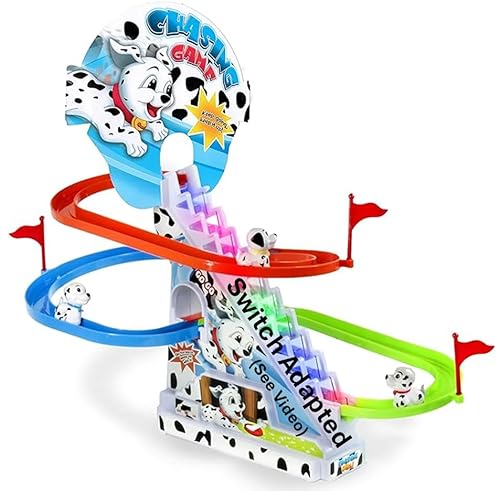
This switch-adapted item relies on an external switch to keep the bubble machine activated. The product is described as brand-new but has been removed from its original packaging for the adaptation process. It is designed for use with a switch (not included) and should be used under supervision with clear safety guidelines due to small parts and the mechanical nature of the device.
TED KANGAROO Sensory Soft Squeeze Seat

This calming compression chair provides full-body sensory input intended to support emotional regulation for children with autism, ADHD, or sensory processing challenges. The design allows for a gentle rocking motion, offering a way to reset during breaks or seated activities in home, classroom, or therapy settings. The cover is washable, and the seating helps children stay grounded, supporting focus and self-regulation in various environments.
Sensory Fidget Toys for Kids and Adults

The 8-pack from SMALL FISH includes textured suction cups and squishy fidget toys designed to be attached to smooth surfaces or used as handheld tools. The set supports sensory processing for autism, ADHD, and related needs by enabling squeezing, pulling, touching, and rattling sounds. Materials are described as high-quality TPR, offering durability, ease of cleaning, and strong suction for dry and wet conditions. This kit aims to aid focus, reduce anxiety, and provide a portable, classroom-friendly sensory corner option.
Buying Guide
Key purchase considerations when selecting adaptive toys for special needs include safety, age appropriateness, and the user’s sensory profile. For younger children or individuals with limited motor control, look for devices with large, easy-to-operate parts and minimal choking hazards. Consider switch accessibility for energy conservation and independent participation in activities; ensure switches and adapters are compatible with existing equipment. Multi-sensory appeal—combining tactile, visual, and auditory elements—tends to support a wider range of regulatory needs and learning goals. Durability and ease of cleaning are essential for classroom and therapy settings where frequent use is expected. Finally, assess whether the toy supports both solitary play and guided activities to maximize independence and social interaction. When comparing items, prioritize products with clear safety certifications, non-toxic materials, and straightforward use instructions. For caregivers, choosing a mix of portable and stationary options can balance at-home routines with in-class or therapy sessions. This approach helps create a versatile sensory toolkit tailored to the user’s needs.