Best Batteries for Toy Cars: Long-Lasting Power for Kids’ Rides
Choosing the right battery for toy cars ensures longer play sessions, safer operation, and less frequent replacements. This guide compares top batteries suitable for a range of 6V to 24V ride-ons, RC cars, and small electric toys. From sealed lead acid to lightweight lithium options, you’ll find practical considerations like weight, runtime, voltage compatibility, and charging requirements to help you pick confidently.
| Product | Brand | Voltage / Capacity | Type | Notes |
|---|---|---|---|---|
| Mighty Max ML7-6 | Mighty Max Battery | 6V / 7Ah | SLA | F1 terminal; maintenance-free; UL certified |
| VICMILE SM-2P Pack | VICMILE | 3.7V / 800mAh each | Li-ion | 2-pack; RC compatibility |
| 24V 7Ah Li Battery | Lithium Hellas | 24V / 7Ah | Lithium | Lightweight; longer runtime |
| ML7-12 | Mighty Max Battery | 12V / 7.2Ah | SLA | F1 terminal; compact |
| UNIKARO 24V 12Ah | UNIKARO | 24V / 12Ah | Li-ion | Lightweight; longer playtime |
| VATOSO 24V Battery | VATOSO | 24V / 7Ah | Li-ion | Includes fast charger |
Mighty Max ML7-6 – 6V 7AH SLA Battery

The Mighty Max ML7-6 is a sealed lead acid (SLA) rechargeable battery designed for compact toy cars and similar devices. At 6V and 7Ah, it provides reliable, ready-to-use power with a maintenance-free design. Its F1 terminal is common for small ride-ons, and the SLA/AGM format offers spill-proof operation across varied play environments. This option emphasizes long service life and solid discharge recovery, making it a dependable baseline for slower, steady performance in lighter toy cars.
VICMILE 3.7V Li-ion Battery 2Pack

VICMILE offers a pair of 3.7V Li-ion cells with a 800mAh rating, designed for various RC cars and small remote-controlled devices. Each unit is compact (about 51 mm by 14 mm) and features a SM-2P plug for quick connections. The two-pack provides flexibility for multi-vehicle setups or extended play sessions. With Li-ion chemistry, these cells typically support faster charging and reduced weight compared to traditional lead-acid batteries, but ensure voltage, dimension, and plug compatibility with your toy before pairing.
24V 7Ah Lithium Battery for Power Wheels

This 24V lithium battery is crafted for 24-volt ride-on toys, offering substantial runtime with a lighter frame than comparable lead-acid options. It’s compatible with many 24V ride-ons and is designed to reduce fatigue during long play sessions. A key note is that it should not be used in 12V systems or connected in series/parallel with other batteries unless the manufacturer specifies compatibility. It is well-suited for parents seeking longer playtime with compatible 24V cars and UTVs.
ML7-12 – 12V 7.2Ah SLA Battery
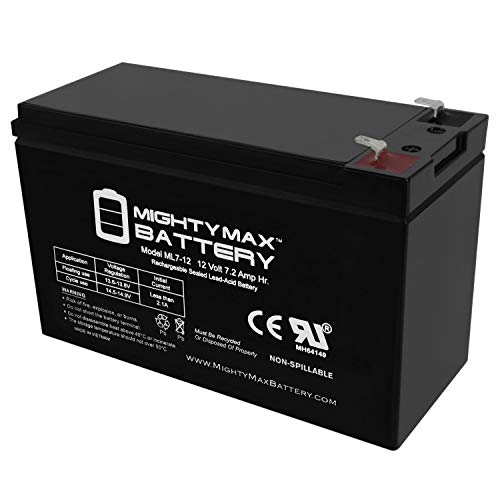
The Mighty Max ML7-12 is a 12V, 7.2Ah sealed lead acid battery with an F1 terminal and a maintenance-free design. Sized to fit compact ride-on cars and toy vehicles needing a higher voltage than 6V, it delivers steady power for longer runs. This option is ideal for mid-range toy cars that require reliable performance without frequent recharges or complex charging needs. Always verify compatibility with your specific model’s voltage and dimensions before purchase.
UNIKARO 24V 12Ah Li-ion Battery

The UNIKARO 24V 12Ah Li-ion pack targets kids’ ride-on cars and UTVs, delivering extended playtime with a lighter footprint than lead-acid alternatives. The package includes a 2A charger, supporting convenient top-ups between sessions. Its higher energy density means longer runtimes for 24V models, but it’s essential to confirm compatibility with your toy’s voltage, connector type, and mounting space to ensure a safe and effective upgrade.
VATOSO 24V 7Ah Lithium Battery

VATOSO presents a 24V 7Ah Li-ion battery designed for 24V ride-ons. It emphasizes a lightweight build and a four-hour fast charge, facilitating quick turnarounds between play sessions. The included charger speeds up replenishment, making it convenient for families with active play schedules. As with all high-voltage Li-ion packs, verify compatibility with your toy’s voltage, charging system, and connector standards before purchasing.
Buying Guide: Key Considerations For Toy Car Batteries
Selecting the right power source depends on play style, vehicle compatibility, and safety. Consider these angles to compare options effectively:
- Voltage and compatibility: Match the battery voltage to your toy car’s required level. Using the wrong voltage can damage the vehicle or reduce performance.
- Chemistry and weight: SLA batteries are heavier but robust and affordable; Li-ion batteries are lighter and offer more runtime per weight, often with faster charging, but at a higher price and with different disposal requirements.
- Capacity and runtime: Ah or mAh ratings indicate how long a battery can run between charges. Higher capacity generally means longer playtime but may increase weight (especially for SLA).
- Charger compatibility: Ensure you have a charger that matches the battery type and voltage. Some packs include a charger; others require a compatible model separately.
- Physical fit and terminals: Check dimensions and terminal type (e.g., F1) to fit mounting spaces and connectors in your toy car.
- Safety and certifications: UL and safety certifications offer extra assurance for kids’ products. Look for packaging that emphasizes safe handling and proper disposal.
- Maintenance and care: SLA batteries are maintenance-free but require proper charging practices to maximize life. Li-ion cells benefit from avoiding deep discharges and using compatible fast-charging protocols when appropriate.
- Weight considerations: Heavier batteries can affect handling and performance of smaller ride-ons. If weight is a concern, Li-ion options often provide better balance.
- Charge time vs. playtime: Fast chargers shorten downtime between sessions but may impact battery longevity if overused. Balance charging speed with battery care guidance from the manufacturer.
When selecting a battery, balance runtime needs with the toy’s design and the child’s typical play patterns. For younger or lighter cars, a 6V or 12V SLA may offer reliable, economical power. For longer sessions or larger ride-ons, light-weight Li-ion packs at 24V can dramatically extend playtime while reducing weight and improving handling. Always follow the manufacturer’s recommendations for charging, storage, and disposal to maximize safety and performance.