Best Bikes for Little Boys: Safe, Easy Ride Options for Ages 4-12
Choosing the right bike for a growing child involves balancing safety, ease of use, durability, and fun. The bikes below are designed with kids in mind—lightweight frames, kid-friendly brakes, training wheels where needed, and adjustable components to accommodate growing bodies. Whether your little rider is just starting out, or ready to transition from training wheels to independent pedaling, these picks cover a range of ages and riding stages.
| Product | Age / Height Range | Brake Type | Notes |
|---|---|---|---|
| WEIZE 20″ Kids Bike (B0CJXQ838N) | 6-12 years (48″-62″) | Coaster + Hand Brake | Enclosed chain guard for safety |
| WEIZE 20″ Kids Bike (B0CHL1PJNB) | 6-12 years (48″-62″) | Coaster + Hand Brake | Lightweight frame, beginner friendly |
| JOYSTAR 12″ Kids Bike | 2-4 years (training wheels) | Foot brake | Removable training wheels, decals |
| RoyalBaby 16″ Freestyle BMX | 4-6 years | Caliper/Coaster options | Adjustable seat and handlebars |
| Huffy Upshot 12/16/20″ | 5+ years (up to 56″ tall) | Rear coaster brake | Growth-ready, easy assembly |
WEIZE 20-Inch Kids Bike for Ages 6-12

The WEIZE 20-inch bike is sized for children transitioning from balance to pedaling. It targets riders aged 6–12 with an inseam-based size recommendation and a frame designed to be easy to control for beginners. The 20″ wheel setup helps maintain stability on varying surfaces, while a lightweight frame reduces the effort required to start and sustain momentum. For younger or smaller riders, the bike’s combination of a hand brake and a coaster brake offers flexible stopping options, increasing confidence during early rides. The enclosed chain guard adds an extra layer of safety by preventing contact with moving parts.
Key features include clear size guidance, a beginner-friendly geometry, and a protective chain guard. This model is a practical option for kids still mastering balance and throttle control. Regular maintenance—checking the tire pressure, brake responsiveness, and chain alignment—will support safer, more enjoyable rides as children grow taller and more capable riders.
WEIZE 20-Inch Kids Bike (Second Design)

This WEIZE model mirrors the 20-inch category but offers another colorway and styling suitable for children aged similar to the first WEIZE 20″ option. It emphasizes kid-specific ergonomics, with compact grips and a lighter frame that promote easier handling, steering, and braking. The bike combines a traditional hand brake with a coaster brake configuration, giving kids room to learn how to stop by both pedaling backward and via a hand lever as their strength grows. An enclosed chain guard protects kids during the pedaling motion, reducing the risk of clothing or hair getting caught.
Parents should note the importance of proper saddle height and ensuring the rider can touch the ground comfortably. Periodic adjustments as the child grows—such as saddle height and handlebar position—will help preserve comfort and balance. The included protective features and straightforward maintenance steps make this a dependable option for family riding routines.
JOYSTAR 12 Inch Kids Bike with Training Wheels

Designed for toddlers and preschoolers, JOYSTAR’s 12-inch bike emphasizes stability and safety as core priorities. It features training wheels that help young riders practice balance with reduced risk of falls while they learn to pedal and steer. The quick-release seat makes height adjustments quick and painless as children grow, and a durable steel frame withstands the inevitable bumps during early riding stages. The single-speed setup and a safety-focused chain guard help minimize maintenance and potential injuries. A fun decal option invites kids to personalize their ride, turning practice into a game and boosting motivation to ride more often.
This bike is ideal for children around ages 2–4 or those who are new to cycling. While it prioritizes safety and simplicity, parents should supervise sessions and gradually reduce training wheels as confidence and balance improve. The product’s simple design reduces maintenance, making it a good starter bike for busy families seeking minimal setup time.
RoyalBaby 16-Inch Freestyle BMX Bicycle

RoyalBaby’s 16-inch freestyle BMX bike targets children who are ready to grow into a more capable ride while still prioritizing safety. The bike features a fully adjustable seat and handlebar, letting kids customize positioning as they grow taller, and a sturdy steel frame designed to withstand regular use. Training wheels are included on certain wheel sizes, making it easier for emerging riders to maintain balance while pedaling confidently. The design emphasizes safety with reliably wide tires and controlled braking, helping to manage speed and stopping without surprises.
As a mid-range option, this RoyalBaby model supports continued development from early balancing to more advanced riding, striking a balance between stability and the thrill of a BMX-inspired look. Regular checks on brake performance and wheel alignment will help extend its useful life as a child grows taller and stronger.
KRIDDO Toddler Balance Bike
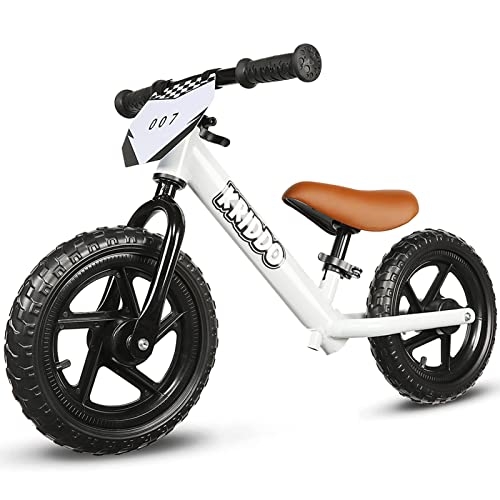
KRIDDO’s balance bike is designed to introduce the basics of riding to toddlers aged roughly 2–5 years. It emphasizes balance, coordination, and control before pedaling becomes necessary, helping young riders gain confidence in a safe, low-stress environment. The bike includes a customizable plate and stickers that let children personalize their ride, providing creative engagement while practicing balance. A wide, carbon-steel frame, soft grip handlebars, and a comfortable PU seat contribute to a stable, kid-friendly experience. The design supports weight up to 110 lbs, extending its usefulness as a first ride for many families.
Balance bikes like this one are typically used before adding pedals and hand brakes. They are ideal for developing core riding skills early, with the option to transition to a pedal bike later by introducing pedaling and steering in a controlled progression. Safety and durability are core considerations, with careful attention paid to grip integrity and frame strength during toddler use.
Huffy Upshot: A Growth-Focused Bike

The Huffy Upshot family of bikes is designed to grow with a child from early stages through taller ages, with size options spanning 12, 16, and 20 inches. The bike emphasizes a simple, single-speed drivetrain and a coaster brake, which keeps braking straightforward for younger riders who might not yet master hand brakes reliably. A padded saddle and adjustable seat post accommodate growth, while a durable frame supports regular use in neighborhood rides or schoolyard adventures. The EZ Build assembly helps families get the bike ready quickly, allowing more time for actual riding and practice.
Potential buyers should consider the longest-term value of a bike that scales with their child’s height. A model with adjustable components and a robust build can reduce the need for frequent replacements, aligning with long-term budgeting and ongoing interest in biking as a hobby or sport.
Buying Guide: Key Purchase Considerations
- Size and age appropriateness: Start with the inseam measurement, then verify saddle height so the rider can touch the ground. For 6–12-year-olds, a 20″ wheel is common, while younger children will benefit from 12″ to 16″ bikes with training wheels or balance bikes.
- Brakes and safety features: Coaster brakes are easier for beginners to manage, while front or hand brakes give more control as strength builds. An enclosed chain guard reduces clothing or skin contact with moving parts.
- Weight and maneuverability: Lighter frames are easier for kids to lift, carry, and maneuver. A balance-friendly design helps children learn without frequent drops or stalls.
- Adjustability: Growth is a constant factor. Look for bikes with adjustable seat height and handlebar position to extend useful life and comfort during growth spurts.
- Durability and wheels: Steel frames hold up well under learning crashes, while puncture-resistant tires reduce maintenance and downtime due to flats.
- Transition plans: Consider a growing child’s pathway—from balance bikes to pedal bikes with hand brakes. Training wheels are a temporary aid that should be phased out as balance improves.
- Maintenance and safety checks: Regular checks of brakes, tires, chain tension, and headset ensure consistent performance. Clean, dry storage and proper washing help prolong lifespan.