Best Gas-Powered Mini Bikes for Adults: Compact Off-Road Fun
For riders seeking compact power and off-road capability, gas-powered mini bikes offer a surprising blend of thrill and practicality. This guide highlights five top options that balance adult-friendly weight ratings, reliable engines, and ease of use. Each model brings distinct strengths—from quick-start ignition to sturdy frames and trail-ready performance—making them suitable for beginners and seasoned riders alike.
| Product | Brand | Engine Power | Top Speed | Weight Capacity |
|---|---|---|---|---|
| FRP GMB100 Mini Dirt Bike | FRP | 99cc 4-stroke | Up to 28 mph | 220 lbs |
| HOVER HEART Mini Bike | HOVER HEART | 99cc 4-stroke | 34.5 km/h | 200 lbs |
| Coleman Powersports B200 | Coleman Powersports | 196cc 4-stroke | Up to 30 mph | 200 lbs |
| Oryxearth 105cc Dirt Bike | Oryxearth | 105cc 4-stroke | Up to 28 mph | 185 lbs |
| FRP Mini Dirt Bike GMB100 (Red) | FRP | 99cc 4-stroke | Up to 28 mph | 220 lbs |
FRP GMB100 Mini Dirt Bike — 99cc, 28 MPH

The FRP GMB100 combines a compact 99cc four-stroke engine with a straightforward pull-start system, delivering up to 28 mph for capable off-road performance. A standout feature is the built-in LED headlight and neck gaiter for added protection on dusk rides. This model is designed for riders aged 13 and older and supports riders up to 220 lbs, with a practical range on a small fuel load. Its oil-use policy requires standard 15W-40 oil for optimal operation under heavy loads and temperatures. Users appreciate the ease of ignition and the bike’s lightweight construction that aids maneuverability on tight trails.
HOVER HEART Mini Bike — 99cc, 34.5 KM/H

HOVER HEART offers a beginner-friendly 99cc four-stroke gas engine that delivers easy pull-start operation and a top speed around 34.5 km/h. With a sturdy steel frame, this minibike supports up to 200 lbs and is engineered for diverse terrains. It promises a practical 25-mile range on a modest fuel capacity, making it suitable for short trail sessions or casual weekend rides. The simple design and EPA-compliant engine appeal to new riders seeking reliable performance without complicated maintenance routines.
Coleman Powersports B200 — 196cc Off-Road Mini Bike

The Coleman B200 pairs a robust 196cc four-stroke engine with a durable frame, designed for off-road and trail riding. This mini bike delivers stronger torque and higher top-end speed, making it suitable for riders who want more aggressive out-of-the-gate performance. The ride is softened by dual shock absorbers and low-pressure tires that improve traction and comfort on rough terrain. The machine’s heat management and air-cooled system support longer sessions, though riders should monitor engine heat during extended climbs or hot days.
Oryxearth 105cc Dirt Bike — 28 MPH, Automatic Transmission
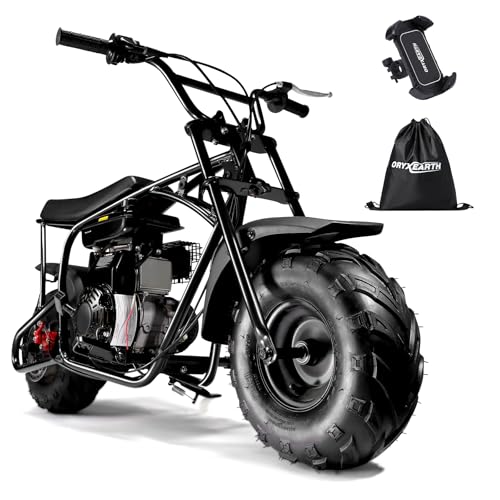
The Oryxearth 105cc mini bike stands out with a 105cc four-stroke engine and an automatic transmission, simplifying operation for riders who prefer one less manual control. A fully automatic chain transmission and a rear disc brake contribute to smooth acceleration and reliable braking. The bike’s fully enclosed design and sturdy frame support up to 185 lbs, making it accessible to a broad range of adult riders. Top speed reaches 28 mph, offering a balanced mix of thrill and control for varied off-road trails.
FRP GMB100 Mini Dirt Bike — Red Variant

This FRP variant retains the same core benefits as its sibling: reliable 99cc four-stroke power, a rechargeable LED headlight, and a neck gaiter for ride-day protection. A key distinction is the color option, which may suit personal preference or existing gear. As with other FRP models, it delivers up to 28 mph, supports roughly 220 lbs, and offers a practical 30-mile range on a small fuel load. Remember the oil requirement and straightforward starting process for consistent performance.
FRP Mini Dirt Bike GMB100 — 99cc, Red Edition

The final FRP model mirrors the original GMB100 specs with a focus on accessibility for both youth and adult riders. It emphasizes a user-friendly pull-start ignition, no oil mixing for the 99cc engine, and a solid 30-mile range. The design prioritizes rider visibility through the integrated headlight, ensuring safe nighttime or low-light operation. Like other FRP bikes, it supports riders up to 220 lbs, enabling a broad pool of potential owners to enjoy compact off-road adventures.
Buying Guide: Key Purchase Considerations
- Engine Size and Power: A 99cc to 105cc engine provides approachable power for beginners while still delivering sufficient performance for small trails. Larger engines (like 196cc) offer more torque and higher top speeds, better for experienced riders and rougher terrain.
- Weight Capacity: Check the rider weight limit to ensure it matches your body weight plus gear. Models commonly support 185–220 lbs, but verify for your height and riding style.
- Transmission Type: Automatic transmissions simplify operation, especially for new riders. Manual transmissions can offer more control at the cost of a steeper learning curve.
- Starting Mechanism and Maintenance: Pull-start ignition is common and convenient. Note oil requirements and fuel recommendations to maintain engine health and performance over time.
- chassis and Suspension: Look for a rugged steel frame and dual shock absorbers for better stability on uneven trails. Proper tires with adequate tread improve traction in dirt and mud.
- Braking System: A reliable rear disc brake or drum brake system is essential for safe stopping on descents. Check for smooth braking feel and adjustability.
- Electrical Features: Rechargeable LED headlights extend riding windows into dusk and dawn. Accessories like neck gaiters add rider protection in dusty conditions.
- Intended Use: Consider whether you want a bike for casual rides, beginner trail work, or more aggressive off-road exploration. Engine size, frame strength, and suspension should align with your intended use.
- Safety and Legal Considerations: Verify local regulations for operating mini bikes on public trails or roads. Always wear appropriate protective gear and follow safety guidelines included by manufacturers.
- Maintenance and Availability: Assess parts availability and service options in your area. A model with widely available spare parts reduces downtime and repair effort.
Additional Considerations: Depth and Perspectives
- Skill Level: Entry-level riders benefit from smaller engines and automatic transmissions for easier handling, while more experienced riders might prefer larger engines for better performance on steep or rugged terrain.
- Riding Environment: If you plan to ride mostly on dirt trails, a bike with solid frame construction and good ground clearance is advantageous. For flat lawns or paved routes, consider lighter models with smoother acceleration.
- Maintenance Time vs. Utility: Simpler engines and fewer maintenance requirements translate to more time on the trail. Consider whether you’re prepared for routine oil checks, spark plug maintenance, and fuel management.
- Safety Gear Compatibility: Compatibility with essential safety gear—helmet, gloves, knee and elbow pads—should influence your choice, especially for higher speeds and rough terrain.
- Value Longevity: Heavier-duty frames and engines with better cooling tend to withstand longer-term use and more demanding rides, contributing to overall value over the bike’s lifespan.