Best Helmets for 3-Year-Olds: Safe, Fun Options for Young Riders
Choosing a helmet for a 3-year-old blends safety, comfort, and style. The right helmet protects delicate heads during biking, skating, scooting, and other activities while encouraging kids to enjoy active play. The following picks prioritize proper sizing, secure fit, and kid-friendly designs that appeal to young riders and parents alike. Below is a quick table of the featured products to help you compare options at a glance.
| Product | Brand | Size Range | Key Feature |
|---|---|---|---|
| Bell Spiderman Spidey Eyes Toddler Helmet | BELL | 48–52 cm | High-visibility reflectors |
| Besttravel Kids Bike Helmet | Besttravel | 18.9–21.3 in / 48–54 cm | Adjustable snug fit, durable ABS shell |
| Mountalk Unicorn Size S (Toddler) | MOUNTALK | XS: 48–52 cm; S: 52–56 cm | Sizes designed for 3–6 years |
| Bimalsic Dinosaur Helmet (XS) | Bimalsic | 45–51 cm | Durable, lightweight with 12 vents |
| Lamsion Kids Helmet Adjustable with Gear Set | Lamsion | 20″–21.6″ / 51–55 cm | Protective gear set included |
All options offer adjustability and head-injury protection geared toward active toddlers. When selecting, ensure a proper head measurement and verify that the helmet meets relevant safety standards for the United States. The best choice balances a secure fit, comfort, and the child’s willingness to wear it during play.
Bell Spiderman Spidey Eyes Toddler Helmet
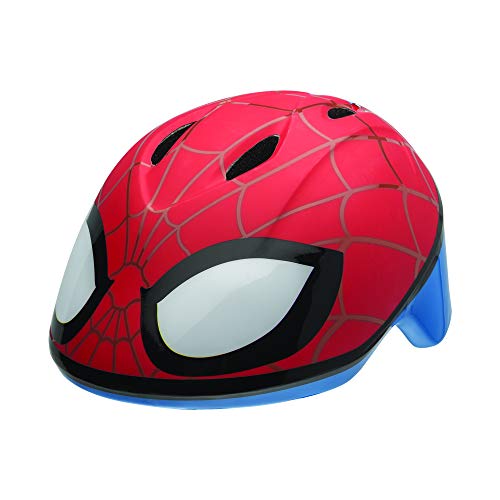
The Bell Spiderman Spidey Eyes helmet is designed for children aged 3-5 with a size range of 48–52 cm. It emphasizes visibility through high-impact reflectors and features a character-themed shell that appeals to young fans. The helmet’s fit should be measured carefully, as head shapes vary within age groups. Quick-fit adjustments and comfortable padding help maintain secure wear during outdoor play, riding trikes, or short bike sessions.
- Age range: 3–5 years
- Head circumference: 48–52 cm
- High-visibility reflectors for visibility
- Character design encourages wearing the helmet
Besttravel Kids Bike Helmet

The Besttravel helmet is suitable for ages 3–8 and features an adjustable fit within a 48–54 cm range. Its rugged ABS shell and EPS core provide durable protection for budding riders. The helmet is designed for multiple activities beyond biking—skating, scooting, or rollerblading—making it a versatile option for growing children. The snug fit helps minimize movement during use, and the lightweight construction supports comfortable all-day wear.
- Sizing: 48–54 cm
- Adjustable strap system
- ABS shell with EPS liner
- Suitable for biking, skating, and scooter use
Mountalk Unicorn Size S Helmet
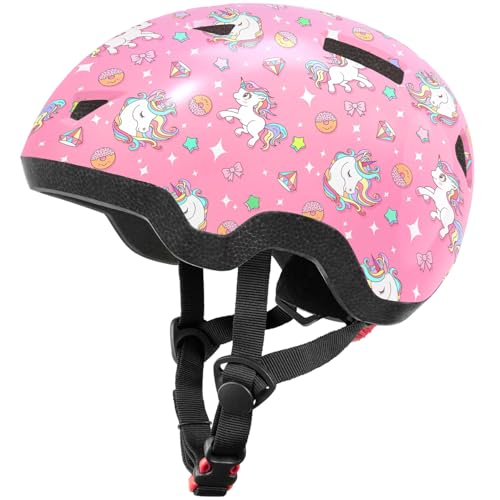
Designed with toddlers and early elementary kids in mind, the Mountalk Unicorn helmet (Size S) fits 52–56 cm head circumferences, making it suitable for many three- to six-year-olds. The unicorn theme is engaging for young riders. The helmet emphasizes a secure, adjustable fit and a lightweight profile to encourage consistent wear. Users should ensure proper sizing and strap adjustments to maximize safety during ride-on toys or bikes.
- Size: S (52–56 cm)
- Unicorn design for kid appeal
- Adjustable fit system
- Lightweight and durable shell
Bimalsic Dinosaur Helmet

The Bimalsic Dinosaur helmet emphasizes both style and safety for toddlers. With an XS size around 45–51 cm and a 0.16″-0.28″ thickness in the liner, the helmet provides a balance of protection and lightweight wear. It features 12 vents to promote airflow and a dual-liner setup. The dinosaur theme is appealing to young children, potentially increasing daily helmet use during bike rides, scooting, or inline skating.
- Size XS: 45–51 cm
- 12 vents for airflow
- Lightweight polycarbonate shell with EPS inner liner
Lamsion Kids Helmet Adjustable (3–8 Years)

The Lamsion helmet (adjustable for ages 3–8) uses an ABS outer shell with a high-density EPS inner layer for impact resistance. The helmet offers an adjustable turning knob and strap system that fits a head circumference of roughly 51–55 cm. It also includes compatible protective gear such as knee pads, elbow pads, and wrist guards in some bundles, which broadens safety coverage for active play like skating and cycling. The design emphasizes ventilation and a secure, comfortable fit.
- Head circumference: 51–55 cm
- ABS shell with EPS inner
- Adjustable knob and straps for fit
- Ventilated with protective gear options
Buying Guide: Key Purchase Considerations
- Size and fit: Always measure your child’s head and verify the helmet’s size range. A properly fitted helmet should sit level on the head, cover the forehead, and feel snug but not uncomfortable.
- Safety standards: Look for helmets that meet CPSC or equivalent U.S. safety standards. Standards ensure the helmet has undergone impact testing and padding requirements suitable for children.
- Adjustability: A helmet with an adjustable strap system and dial-fit mechanism helps accommodate growth and ensures a secure fit as your child’s head changes shape and size.
- Ventilation and comfort: Adequate vents keep a child cool, increasing the likelihood they’ll wear the helmet for longer periods during outdoor play.
- Weight and durability: Lightweight helmets reduce neck fatigue for toddlers, while a durable shell resists daily wear and minor impacts during playtime.
- Design and appeal: Bright colors, characters, and fun patterns can encourage consistent helmet use. Involving kids in choosing a design can improve adoption rates.
- Bundle options: Some helmets come with protective gear sets (knee pads, elbow pads, wrist guards). Bundles can simplify shopping and promote comprehensive safety for kids engaging in multiple activities.
- Growth considerations: For toddlers approaching 4–5 years, consider helmets with a slightly larger fit range or easy-to-adjust sizing to extend use as they grow.
- Care and maintenance: Check cleaning guidelines for pads and liners. Replacing worn padding helps maintain fit and comfort over time.
These perspectives support a balanced decision: prioritize protective performance and a secure fit while also considering kid preferences and ease of use. By pairing safety features with engaging designs, parents can help cultivate a routine of wearing a helmet during everyday activities and trips to the park.