Best Cheap Walkie Talkies for Kids: Safe, Fun, and Easy to Use
Finding affordable, kid-friendly walkie talkies can boost outdoor play, family games, and camping trips. The best options for children emphasize simple push-to-talk operation, clear sound, lightweight design, and built-in safety features. Below, you’ll find five economical models that balance price and performance for ages 6 and up. The selections cover a range of features—from VOX hands-free calling to backlit LCD screens and long-range capabilities—so families with different activity styles can stay connected without complicated setup.
| Product | Brand | Range/Channels | Key Takeaway |
|---|---|---|---|
| Retevis RT628 | Retevis | 22 channels | Solid entry-level kid set with VOX and adjustable volume |
| Selieve 3–12 Years Walkie Talkies | Selieve | 22 channels | Lightweight, ergonomic, with backlit LCD and key lock |
| Retevis RT628S | Retevis | 22 channels, safety mode | Family-friendly with Safe-M mode for privacy |
| Inspireyes Rechargeable Walkie Talkies | Inspireyes | 22 channels | Long-lasting rechargeable design for extended play |
| Selieve 5–12 Years Walkie Talkies | Selieve | 22 channels | Compact and easy-to-carry with clear sound |
These products were chosen for their balance of safety features, ease of use, and practical range for typical home, yard, and outdoor adventures. The models include kid-friendly designs, simple controls, and features that help parents monitor conversations while letting children enjoy independent play. Each option maintains a straightforward setup so families can start using them right away.
Retevis RT628 Walkie Talkies For Kids
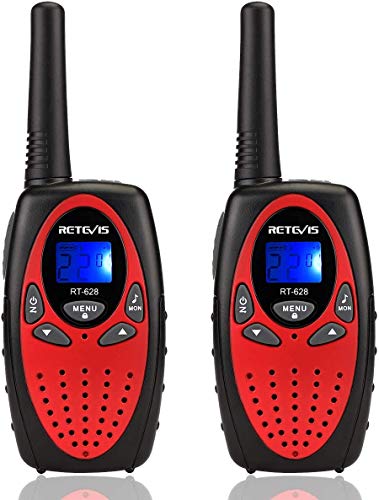
Retevis RT628 is designed as an affordable gift for children aged 6–12. The set supports family garden games, outdoor adventures, and camping activities, with VOX hands-free calling for easy communication. Its adjustable volume (1–8 levels) keeps sound comfortable for different environments, while the 22-channel system helps families avoid channel conflicts outdoors. The device prioritizes clear and stable communication, a key factor for young users who are still learning how to coordinate with others during play.
Selieve Toys For 3-12 Year Old Kids Walkie Talkies
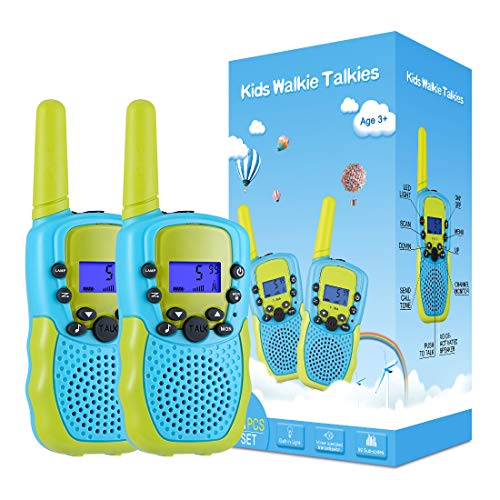
Selieve’s 3–12 year model emphasizes ergonomic design and portability, weighing about 90g per unit for easy handling. It includes a backlit LCD display and 22 channels for outdoor use, such as camping or hiking. A key-lock function prevents accidental channel changes by younger children, enhancing safety during play. The lightweight construction and simple push-to-talk button make it a reliable entry point for siblings or friends engaging in backyard or park adventures.
Retevis RT628S Walkie Talkies

Retevis RT628S adds a Safe-M mode that automatically blocks unfamiliar signals, helping to protect family privacy during conversations. The 22 channels include dedicated safety channels, and users can switch to a normal mode to maintain compatibility with FRS devices. Clear calls and intelligent noise reduction improve communication in noisy environments, making this model suitable for family use in busy neighborhoods or outdoors. The device offers adjustable volume and a robust microphone, supporting reliable two-way communication on short to mid-range hikes or small group activities.
Inspireyes Walkie Talkies For Kids Rechargeable

Inspireyes pairs rechargeable longevity with child-friendly ergonomics. The built-in lithium polymer battery supports up to 48 hours of playtime and seven days of standby on a single charge, reducing the need for frequent battery changes on trips. The device is light at 87g per unit, with a left-side push-to-talk button for intuitive operation. The 22 channels offer stable, clear communication within about a mile to several miles depending on terrain. This model suits families seeking longer-lasting use without frequent recharging.
Selieve Toys For 5–12 Year Old Children

Selieve’s 5–12 year model emphasizes compact design and reliable range. Like other Selieve options, it provides 22 channels for flexible use in outdoor activities, with a backlit LCD display and a key lock feature to prevent channel tampering by younger children. The product is designed for easy handling and quick setup, enabling kids to join in family hikes, camping trips, or backyard scavenger hunts while maintaining straightforward communication in varied environments.
Buying Guide: Key Considerations For Choosing Kid-Friendly Walkie Talkies
- Age appropriateness: Look for models with simple push-to-talk buttons, limited channels, and easy-to-understand menus to minimize frustration for younger children.
- Safety and privacy: Features such as Safe-M mode, key lock, and restricted channels help protect children’s conversations from interference and guide safer usage in public spaces.
- Range and terrain: Indoor ranges are typically shorter; outdoor play may require longer ranges. Consider terrain (urban, suburban, rural, or wooded areas) to determine suitable range expectations.
- Battery life: Rechargeable batteries reduce ongoing costs and maintenance. Check standby and active use times to gauge how long devices will last on trips or long-playing days.
- Sound quality and volume control: Clear audio and adjustable volume are essential for children to communicate effectively, especially in busy outdoor environments.
- Ergonomic design: Lightweight, compact bodies with easy-grip textures help kids hold and operate devices comfortably for extended play sessions.
- Durability: Kids’ toys benefit from sturdy construction and protective casing to withstand drops and rough handling during activities like camping or hiking.
- Accessories: Clips and lanyards help keep devices accessible and reduce loss during outdoor adventures.
- Compatibility: If you already own walkie talkies, verify channel compatibility or universal channel standards to ensure seamless use across devices.
When evaluating options, consider how the family plans to use the devices. For backyard games or family camping trips, models with longer battery life, clear audio, and simple controls can provide consistent performance without needing frequent refamiliarization. For younger children, safety features like key locks and restricted channels help manage the experience, while ergonomic designs support comfortable, extended play.