Best Saxophone Books for a 10-Year-Old Beginner
Finding the right starting point for a 10-year-old can shape long-term progress. The following handpicked saxophone books and method guides are designed for young players transitioning into intermediate basics, with clear instructions, approachable arrangements, and practice-friendly content. Each title listed here aligns with beginner-to-intermediate goals, helping a young musician build tone, rhythm, and familiarity with common pop, jazz, and movie tunes.
style=”display:none;”>Summary Table of Chosen Products
| Product | Pages | Instruments | Brand |
|---|---|---|---|
| 101 Popular Songs for Alto Sax | 128 | Alto Sax | Hal Leonard |
| 101 Hit Songs for Alto Sax | 160 | Alto Sax | Hal Leonard |
| First 50 Songs You Should Play on the Sax | 64 | Sax | Hal Leonard |
| Rubank Elementary Method: Saxophone | 48 | Saxophone | Rubank Publications |
101 Popular Songs for Alto Sax
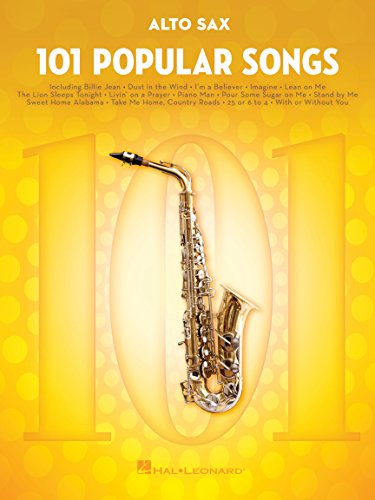
Product type: Alto Sax sheet music. Pages: 128. Instrumentation focuses on Alto Sax. This book offers a broad collection of pop hits and beloved tunes arranged for solo performance, making it suitable for a young player building familiarity with melody lines and rhythm. The selections are designed to be approachable for early intermediate players, with clear notation and manageable performance length. Pairing this with regular practice can reinforce tone development and sight-reading skills through familiar songs.
101 Hit Songs for Alto Sax

Product type: Alto Sax sheet music collection. Pages: 160. Instrumentation: Alto Sax. This title offers a curated set of popular songs across pop and rock genres, arranged to suit intermediate players who are refining technique, phrasing, and delivery. It supports developing musicality while gradually introducing more complex rhythms and harmonies. It is a practical resource for lessons, practice, and performance preparation for a 10-year-old advancing from early material.
First 50 Songs You Should Play on the Sax

Product type: Beginner-friendly saxophone songbook with pop, jazz, and movie hits. Pages: 64. Instrumentation: Sax. This book is designed for early players, offering short, well-paced tunes that build familiarity with the instrument, breathing, and articulation. The selections include well-known melodies that provide quick wins to boost confidence and consistency in practice sessions, aiding a gradual transition to more challenging repertoire as skills grow.
Rubank Elementary Method: Saxophone
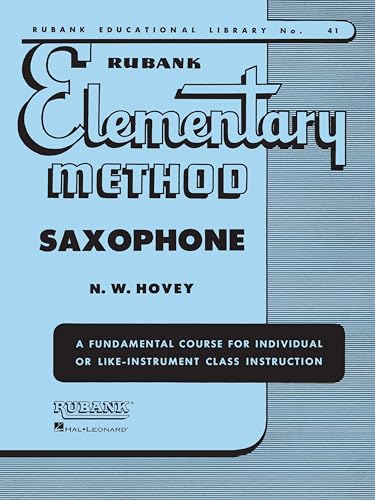
Product type: Beginner saxophone method book. Pages: 48. Instrumentation: Saxophone. This title provides foundational instruction through approachable exercises, solos, and duets. It complements early playing with structured lessons that emphasize technique development, tone production, and reading skills. The compact format makes it a practical inclusion for a young student’s practice routine, while its traditional pedagogy supports consistent progress across lesson work.
Buying Guide: Key Considerations For Young Saxophonists
Choosing the right material for a 10-year-old involves assessing learning pace, reading ability, and motivation. Consider the following factors to guide a smart selection:
- Skill level alignment: Start with titles designed for beginners or early intermediate players to ensure achievable challenges without frustration.
- Song selection: Favor collections with familiar melodies to maintain engagement and encourage consistent practice routines.
- Notation clarity: Look for clean notation, clearly marked dynamics, and legible percussion cues to support developing rhythm and tone.
- Progression structure: Materials that gradually introduce longer tunes, more complex rhythms, and simple key changes help build stamina and confidence.
- Supplemental resources: Some books include practice tips, short exercises, or teacher duets—useful for lessons and at-home practice.
- Instrument compatibility: Verify that the content is written for alto sax or general saxophone, matching the student’s instrument choice.
- Physical format: For young players, a compact, portable book with clear pages reduces friction during practice sessions.
- Practice planning: Choose titles that pair well with a regular schedule—short daily sessions with achievable goals work best for beginners.
From a broader perspective, combining method books with popular-song collections can strike a balance between technique and musical enjoyment. Method books like Rubank offer structured technique, while songbooks such as the Hal Leonard titles provide engaging tunes that reinforce concepts in a relatable context. Parents and teachers should monitor progress and rotate between different styles to sustain curiosity and prevent fatigue.
Consideration should be given to the student’s reading ability, acoustic expectations, and the comfort level with the instrument. For a 10-year-old, choosing materials that emphasize tone production, breath support, and expressive phrasing will promote healthy development and long-term enthusiasm for saxophone playing.