Best Sand for Sandbox: Safe, Low-Dust Options for Play and Learning
Choosing the right sandbox sand is essential for safe, engaging outdoor play and calm indoor projects. This guide highlights five top, low-dust sand options that support sensory exploration, fine motor skills, and creative building. Each product below includes a quick snapshot of core features to help you compare at a glance.
| Product | Brand | Size / Quantity | Notes |
|---|---|---|---|
| Palmetto Soft-Texture Fine Play Sand | PALMETTO | 50 lb bag | |
| Sun Joe Silica Play Sand | Sun Joe | 50 lb bag | |
| Classic Sand and Play Sand | CLASSIC SAND & PLAY | 20 lb bag | |
| Quikrete Sandbox Play Sand | Quikrete | 50 pounds | |
| Sandpiper Multiuse Play Sand | Sandpiper | 50 lb bag |
The selections focus on low-dust formulations, consistent textures, and safe, non-toxic materials suitable for children. Read on to discover five detailed product sections, each with practical considerations to help you decide which sand best fits your sandbox, sensory table, or classroom activity.
Palmetto Soft-Texture Fine Play Sand

PALMETTO Sand offers a gentle, low-dust experience ideal for toddlers and classrooms. Designed for both indoor crafts and outdoor play, the creme-colored sand is free from pebbles and debris, creating a soothing sensory environment. It supports motor development as children dig, pour, and build, while remaining safe for frequent handling in play therapy trays or sensory kits.
Sun Joe Silica Play Sand

Sun Joe Silica Play Sand is an ultra-clean, natural white option that adapts to a variety of uses—from sandbox play to sensory tables and garden projects. Its fine texture supports precise molding and sculpting, while its versatility makes it suitable for classrooms, therapy sessions, and art projects. The sand encourages tactile exploration and fine motor skills across ages.
Classic Sand and Play Sand
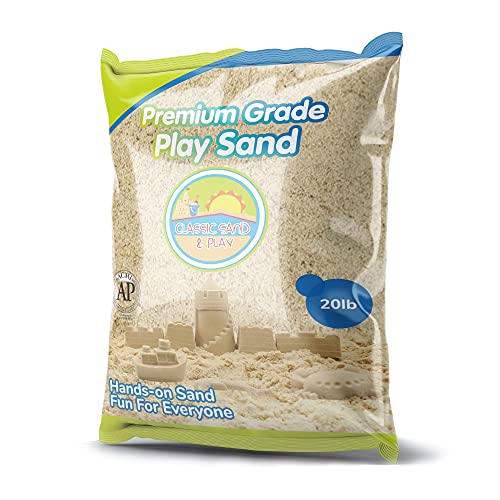
Classic Sand & Play Sand focuses on premium-grade play sand that’s washed, dried, and non-toxic. It’s designed to inspire creativity in sandboxes, sand tables, and therapy settings. The sand’s soft texture is suitable for hands-on, hands-dirty activities that promote hand-eye coordination and imaginative play, making it a practical choice for homes, classrooms, and therapy environments.
Quikrete Sandbox Play Sand

Quikrete Sandbox Play Sand is specially graded, washed, dried, and screened for safe play. Its thorough cleaning process removes debris and bacteria to help create a clean sandbox environment for molding and building activities. The product’s texture is reliable for both indoor and outdoor use, making it a dependable option for youth programs and families.
Sandpiper Multiuse Play Sand
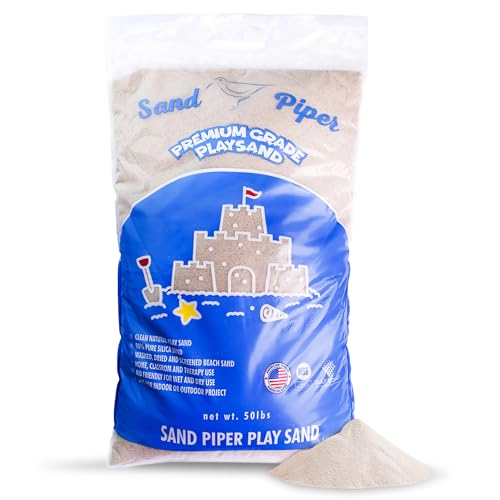
Sandpiper Multiuse Play Sand is 99% silica, delivering a consistently soft texture ideal for molding, building sandcastles, and classroom activities. It’s suitable for outdoor sandboxes, sensory bins, and indoor craft tables, offering a reliable base that supports a variety of creative projects without overpowering dust.
Buying Guide
Key purchase considerations help you choose sand that fits your space, children’s ages, and sensory goals. Consider the following perspectives:
- Dust level and texture: Low-dust, finely graded sands reduce mess and irritation for sensitive hands, especially in sandboxes and therapy trays.
- Safety and composition: Look for non-toxic, inert materials with minimal additives. Natural silica sands are common, but ensure they’re properly washed and screened to remove debris.
- Size and capacity: Large bags (50 lb) are convenient for big yards and schools, while smaller bags (20 lb) suit classrooms or apartment use.
- Versatility: Sands that work well for sandboxes, sensory tables, and crafts offer greater value for households with diverse activities.
- Maintenance: Consider whether you want a sand that cleans up easily and holds its shape for longer, reducing replacement frequency.
- Therapeutic benefits: Fine textures and uniform grain size can support fine motor skills and sensory exploration, beneficial for therapy or educational settings.
Bottom line: The best sand for your sandbox blends safety, texture, and versatility. The options listed here cover a range of needs—from ultra-clean silica sands ideal for sensory play to premium, non-toxic blends suitable for therapy and creative construction. Evaluate your space, expected use, and cleaning tolerance to select the sand that best supports safe, engaging play and learning.