Best Moon Toys for Toddlers: Fun, Educational Lunar Play
Moon-themed toys captivate toddlers with gentle glow, space imagery, and hands-on learning. This guide highlights five engaging options designed to spark curiosity about the Moon, planets, and space while supporting early development skills like fine motor control, hand-eye coordination, and emotional learning. Each entry includes an overview, key features, and how it complements playful science exploration at home or in the classroom.
Summary of selected products
| Product | Brand | Focus |
|---|---|---|
| Moon Torch – Portable Projecting Toy Flashlight | 4M | Moon projection, adjustable focus |
| Ultra-Realistic 3D Planets Plush | XIGUI | Soft space-themed plush, educational for ages |
| Moon In My Room – 12 Light-Up Phases | Basic Fun | Moon phases, remote/automatic modes |
| Moon Ball – Lunar Themed Bouncy Ball | Waboba | Active play, sensory craters, loud pop |
| Moon Buddy Plush | Celestial Buddies | Soft cuddly moon with educational tag |
4M KidzLabs Moon Torch – Portable Moon Projector
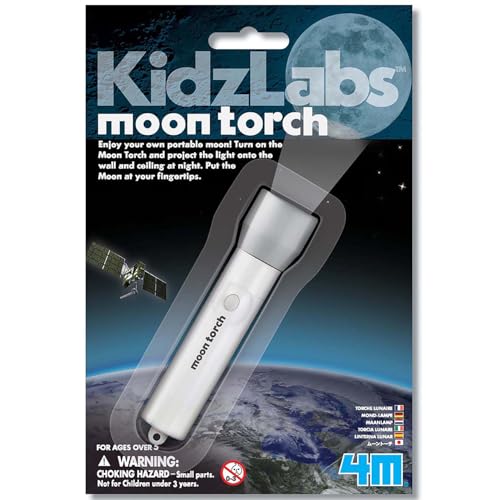
The 4M KidzLabs Moon Torch provides a hands-on way for toddlers to explore the Moon indoors. Its realistic moon image projects onto walls or ceilings, creating a calm, immersive display that can spark nighttime storytelling or quiet time routines. An adjustable focus lens lets caregivers tailor the projection size and sharpness to fit any room, from a small bedroom to a larger play area. Operation is simple—remove the insulation sleeve, switch it on, and adjust the focus for immediate, clear visuals. This toy combines visual fascination with a straightforward mechanism suitable for young children just learning cause-and-effect concepts.
Key advantages include the compact handheld form, which makes it easy to move between rooms or take on trips, and the way the moon projection can be used to introduce basic astronomy concepts in a developmentally appropriate way. The eventful moon image provides a gentle stimulus that can support early language skills as caregivers describe features or compare the Moon’s appearance on different nights. For parents seeking an engaging, screen-free lunar activity, this projector offers a dependable option with repeatable results and simple controls.
XIGUI Ultra-Realistic Moon Plush – 10.6 Inches

This plush set from XIGUI blends science-inspired design with comforting huggability. The 10.6-inch mood-friendly Moon and additional planetary pieces—Earth and Sun—create a tactile way for toddlers to explore the solar system. The plush materials are described as well-made with tight seams and durable construction, making them apt for rough toddler handling. The Moon, in particular, offers a soft, approachable way to discuss geography and space while encouraging imaginative play. It’s well-suited for bedtime routines or classroom corners where kids imitate astronauts or narrate space adventures.
Educational value centers on familiarizing children with planetary shapes, colors, and the idea that the Moon is one part of a bigger system. Its size is ideal for hugging during quiet time while the accompanying Earth and Sun items provide context for a broader space-themed play scenario. Parents may pair this plush with simple storytelling prompts to practice vocabulary related to space, rotation, and distance without introducing complex jargon.
Moon In My Room – 12 Light-Up Lunar Phases
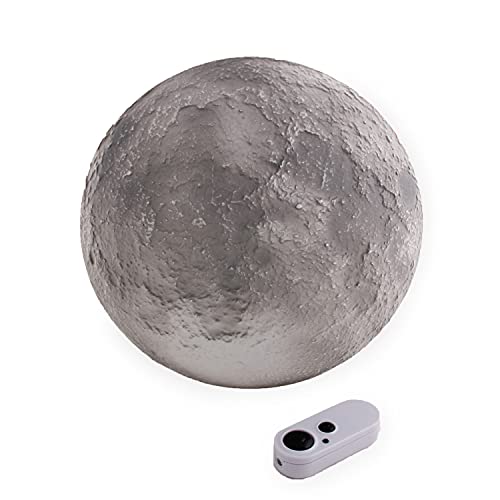
Uncle Milton’s Moon In My Room presents an authentic lunar display through 12 light-up phases, allowing children to observe the Moon’s daily changes. The device supports both remote control and automatic modes, providing flexible interaction. This feature helps toddlers associate time with lunar cycles, and the rotating through phases fosters predictability and focus during screen-free play. The lunar attention to detail—such as visible crescents and full Moon states—supports early science literacy and curiosity about celestial bodies. It’s a classroom-ready option that also adapts to a child’s bedtime ritual or science corner at home.
In a practical sense, the Moon In My Room can serve as a talking point for “what is a phase?” and “how does the Moon look on different nights?” The remote provides a non-contact way for adults to guide the learning experience, while the automatic mode offers an engaging, low-effort demonstration of lunar cycles. This makes it a reliable, educational centerpiece for any space-themed learning space.
Waboba Moon Ball – Hyper Bouncy, Cratered Fun

The Moon Ball from Waboba stands out for active play that still feels space-themed. Marketed as the highest-bouncy ball on Earth, its unique foam composition and cratered design yield a distinctive effect—each bounce produces a satisfying pop sound. The ball’s light weight and durable construction support indoor and outdoor use, with enough unpredictability to keep toddlers engaged through repeated throws and catches. The sensory feedback—from the texture of the craters to the audible pop—can help with tactile discrimination and auditory processing during play sessions. Use this as a dynamic complement to calmer, moon-focused activities.
For caregivers, the Moon Ball offers versatile play options: solo slings, partner toss games, or targeted drills to improve reaction time and motor planning. While not strictly a teaching tool, its space-themed branding and responsive bounce can foster quick visual-motor responses and spatial awareness, making it a practical addition to a space-themed activity set.
Celestial Buddies Moon Buddy Plush – 8.5 Inches

The Moon Buddy plush from Celestial Buddies is a soft, huggable 8.5-inch companion designed for cuddling and gentle learning. Its embroidered features and a space-themed educational tag offer a tactile, approachable way to introduce basic lunar facts and space exploration. The plush size makes it suitable for both nap-time comfort and classroom storytelling, where kids can point to the Moon’s features or discuss its place in the solar system. The educational tag adds a layer of context without requiring active instruction, allowing caregivers to weave space talk into everyday play.
From a developmental standpoint, Moon Buddy supports social-emotional growth through comforting, familiar play objects while providing a non-threatening introduction to science. It can be used in role-play scenarios—pretend astronomy class, space travel, or bedtime lunar stories—encouraging language development and narrative skills as children describe what they see and feel during play.
Buying Guide: Key Considerations For Moon-Themed Toys
- Age suitability: Choose toys aligned with toddlers’ motor skills and attention spans. Look for simple controls, soft textures, and sturdy construction.
- Educational value: Consider whether the toy teaches lunar science concepts (phases, terrains) or supports broader space-themed play (planets, Sun, Earth) and integrates with storytelling or classroom activities.
- Safety and durability: Prioritize non-toxic materials, secure stitching, and pieces sized to avoid choking hazards. Plush and projection toys should have safe, low-heat operation for little ones.
- Engagement style: Mix visual projection, tactile plush, and active play items to balance calm learning with movement and sensory experiences.
- Portability and setup: Lightweight, USB-rechargeable, or battery-operated options improve usability at home and on trips. Simple on/off and focus adjustments matter for toddlers.
- Developmental benefits: Projection tools can support early literacy and spatial awareness; plush toys promote social play and vocabulary; interactive books add music and emotion recognition; balls encourage gross motor skills and coordination.
- Care and maintenance: Check washing guidelines for plush items, and ensure projection toys have safe cleaning options. Regular checks help maintain longevity for active toddlers.
- Cost and value: Weigh long-term play potential against purchase price, considering if the toy will be used across multiple ages or for classroom activities beyond toddlers.
When selecting moon-themed toys, consider combining items that cover different play styles: a projection toy for nighttime or quiet play, a plush or soft toy for comfort and storytelling, an interactive book or remote-control option for sequencing and memory, and a robust ball for active outdoor or indoor games. This mix supports a well-rounded early science-and-play experience that is engaging, educational, and developmentally appropriate for toddlers exploring the Moon and space.