Best Jazz Piano for Kids: A Guide to the Right Beginner Piano Books
Finding the right jazz piano resources for young players can spark a lifelong love of music. This article focuses on beginner-friendly piano songbooks and method books designed to engage kids with jazz and blues while building technique, rhythm, and ear training. The selection below highlights five accessible titles that mix friendly melodies with practical instruction and clear progressions.
Overview of chosen products:
| Product | Author/Brand | Type | Notes |
|---|---|---|---|
| PlayTime Piano: Jazz and Blues – Level 1 | Faber Piano Adventures | Beginner Songbook | Easy jazz and blues arrangements for early learners |
| Jazz Piano for Kids: A Beginner’s Guide | Hal Leonard | Instructional Book | Step-by-step instruction with online video tutorials |
| ShowTime Piano: Jazz & Blues – Level 2A | Faber Piano Adventures | Beginner Songbook | Level 2A, fun rhythmic practice |
| The Best Jazz Piano Solos Ever | Hal Leonard | Solo Piano Collection | Iconic standards for more advanced skills |
| Jazz Songs for Kids: Easy Piano Songbook | Hal Leonard | Songbook | Lyrics included, easy level for beginners |
PlayTime Piano: Jazz and Blues – Level 1

PlayTime Piano: Jazz and Blues – Level 1 is designed for early learners stepping into the jazz idiom. The book presents easy-to-play arrangements that introduce kids to swinging rhythms, blues scales, and familiar melodies. It aligns with the Faber Piano Adventures approach, emphasizing musical literacy and confidence at the keyboard. The format supports parent or teacher guidance, making it suitable for at-home practice or beginner classroom use.
Key features include beginner-friendly notation and approachable jazz voicings, enabling students to hear and play rhythms typical of early jazz piano. As an initial step, the book reinforces basic finger patterns, hand positions, and listening skills essential for improvisation later on. The accessible content helps maintain motivation through short, satisfying pieces that sound like real jazz tunes.
Jazz Piano for Kids: A Beginner’s Guide

Hal Leonard’s Jazz Piano for Kids provides a structured introduction to jazz piano with clear, kid-friendly instructions and online video support. The approach blends technique with musicality, helping young players understand chord shapes, rhythm patterns, and improvisational basics. The inclusion of video tutorials can reinforce in-person lessons or self-guided practice, making complex ideas more digestible for beginners who respond to visual and auditory cues.
Key features include piano/keyboard instrumentation focus and a progressive path from simple tunes to more expressive phrases. This guide aims to foster independence at the instrument while building a foundation for later, more advanced jazz studies. Parents and teachers may appreciate the explicit practice goals and the emphasis on listening comprehension as part of learning jazz language.
ShowTime Piano: Jazz & Blues – Level 2A
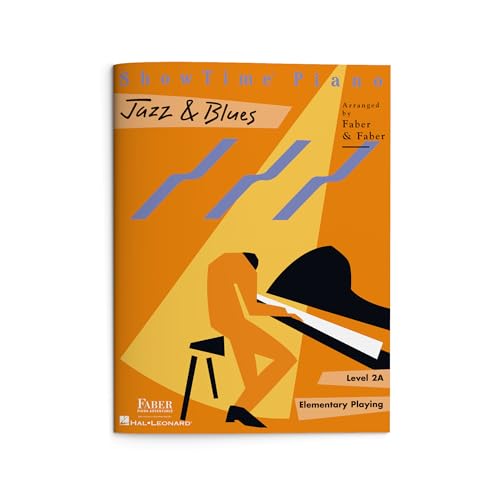
ShowTime Piano: Jazz & Blues – Level 2A advances beginner players with slightly more complex rhythms and harmonic ideas while keeping the accessible, kid-focused presentation. This level maintains the playful tone of early learning materials, supporting steady progress through easy-to-read notation and practical performance pieces. The book’s rhythmic exercises encourage steady tempo, swing feel, and a growing sense of groove essential to jazz.
Highlights include continued practice with rhythmic stability, phrasing, and a gentle introduction to more substantial blues-based pieces. The content is designed to keep kids engaged as their left-hand coordination improves, giving a sense of accomplishment without overwhelming the learner.
The Best Jazz Piano Solos Ever

The Best Jazz Piano Solos Ever collects notable jazz standards for solo piano. While this title is more suited to students progressing beyond beginner level, it offers exposure to classic jazz vocabulary, phrasing, and form. The 320-page collection covers a wide range of styles and tempos, encouraging learners to study different eras of jazz through accessible renditions and carefully chosen solos.
Key considerations for this book include selection of pieces that align with a developing technique and listening skills. It serves as a bridge resource for motivated kids ready to explore interpretive nuance, dynamic contrast, and stylistic elements found in mid-level jazz piano.)
Jazz Songs for Kids: Easy Piano Songbook

Jazz Songs for Kids: Easy Piano Songbook offers approachable tunes with lyrics, making it appealing for younger learners who benefit from sing-along elements. The 88-page collection emphasizes easy arrangements that still convey authentic jazz feeling, perfect for daily practice. It supports rhythm development and melodic phrasing, with simple accompaniment patterns that help beginners focus on musical storytelling rather than technical hurdles.
Considerations for this book include its emphasis on accessibility and engagement through lyrics, which can enhance memory and motivation. The easy level is appropriate for initial weeks of study, while still introducing essential jazz idioms and swing patterns.
Buying Guide: Key Purchase Considerations And Comparisons
- Skill progression: Choose a sequence that starts with highly accessible tunes and gradually increases in complexity. Books labeled Level 1 or Easy often suit absolute beginners, while Level 2A or intermediate titles prepare kids for longer, more challenging pieces.
- Instructional support: Some titles include online videos or companion audio, which can reinforce learning. Consider whether your child benefits from visual or auditory explanations in addition to written music.
- Rhythm And groove: Jazz thrives on swing, syncopation, and bluesy feel. Look for titles that explicitly address rhythm practice, metronome-friendly pacing, and groove-oriented exercises.
- Song selection: A mix of familiar tunes and authentic jazz standards helps sustain motivation. Lyrics could be a bonus for engagement, though instrumental focus is also valuable for technique.
- Adequate notation: Clear notation with legible note values, articulations, and tempo markings supports early readers. Some books use simplified arrangements—evaluate which format best matches your child’s reading level.
- Supplementary materials: If possible, pair these books with a basic keyboard method, scale practice, or improvisation drills to reinforce theory and performance skills.
- Physical quality: Durable bindings and legible print reduce practice interruptions. Consider whether your child practices at home, in a classroom, or in a music studio to choose a book with sturdy pages.
- Price and availability: While prices are not listed here, compare new versus used editions and confirm availability through retailers or local libraries for ongoing access to materials.
Overall, the best choice depends on your child’s current level, interest in jazz, and how much guided instruction is desired. A progression from easy, engaging tunes toward more varied and technically demanding pieces helps maintain motivation while building essential jazz vocabulary. Combining a beginner-focused book with light listening and rhythmic exercises provides a balanced approach to early jazz piano education.