Best Therapeutic Toys for Cerebral Palsy: Tools to Support Daily Living and Development
Therapeutic toys designed for cerebral palsy (CP) can support motor skills, sensory processing, communication, and emotional regulation. This article highlights five carefully selected products that align with common CP needs, from fine motor development to calming sensory input. Each pick emphasizes safety, ease of use, and potential for independent play or guided activities with caregivers. Use these options as a starting point to find engaging, developmentally-friendly toys that fit a child’s unique strengths and goals.
Summary of selected products:
- Baby Musical Toy by TUMAMA KIDS — Interactive drum with lights, 40+ songs for early musical recognition.
- IMPRESA Spiky Balls — Multicolor fidget balls for tactile engagement and focus.
- LESONG Sensory Toys — Emotion faces and textures to support social-emotional learning.
- Subao Twinkle Star Plush Light Up Pillow — Soft, comforting sensory pillow with color-changing lights.
- EazyHold Lavender Silicone Assistive Cuff — Universal grip aid for daily activities and therapy tools.
Best Musical Toy For Early Motor And Rhythm Skills
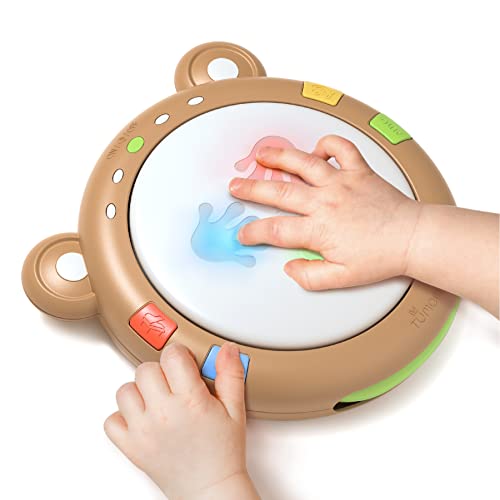
The Baby Musical Toy from TUMAMA KIDS is an electronic drum instrument designed for infants and toddlers. It features a large button-driven interface, bright lights, and a variety of tunes to stimulate auditory processing and rhythm recognition. The 2-in-1 design supports early hand development: kids can bang the drum, follow the lights, and explore different sounds. The toy runs on a single AA battery, making it portable for therapy sessions at home or school play areas. Its engaging format can assist children with CP in building hand-eye coordination and purposeful movement through guided play.
Key features include: a simple, accessible button layout; light-up cues that encourage tracking and timing; and a repertoire of 40+ songs and drum beats for varied sensory input. This toy is well-suited for children who respond to musical stimuli and benefit from predictable sequences to practice reaching, grasping, and swiping motions. For therapists or caregivers, it can serve as a transition tool between gross motor activities and fine motor tasks.
Assessment considerations:
– Consider the child’s grip strength and hand size; ensure the button is easy to press without eliciting frustration.
– Pair with a short, structured activity plan to support goal-oriented play (e.g., 5-minute rhythm session followed by a rest or glow break).
– Monitor for overstimulation and adjust play duration accordingly to prevent fatigue or sensory overload.
Spiky Balls For Tactile Focus And Calm

IMPRESA Spiky Balls come in a 5-pack of multicolor fidget spheres designed to engage tactile senses and promote focused attention. Made from durable thermoplastic rubber, these balls are BPA, latex, and phthalate-free, offering a safe option for children and adults with sensory processing needs. The spiky texture provides varied tactile input that can help reduce anxiety, improve motor planning, and support fine motor control as users squeeze, rotate, and manipulate the balls. They’re easy to clean and are suitable for classrooms, homes, and therapy rooms.
Key features align with CP goals:
– A portable, durable design that travels well between home and clinic.
– Sensory-rich textures that can aid sensory modulation and calming strategies.
– Broad age applicability, with potential for grouping activities or solo use under supervision.
Therapy-ready tips:
– Use as a target in hand strengthening routines, such as pinching the ball between thumb and fingers.
– Integrate into deep pressure and proprioceptive activities by pressing or rolling the ball along arms or legs to stimulate body awareness.
Emotion And Social-Expression Toy Set

LESONG’s Sensory Toys for kids and toddlers focus on social-emotional learning through expressive faces and varied textures. The set includes six different facial expressions to help children identify and discuss emotions, fostering communication and interaction skills. Textures and soft materials support tactile exploration and calm-down strategies, making them suitable for use in therapy sessions or classroom settings. These tools are particularly helpful for children with CP who benefit from structured emotional literacy exercises in a safe, familiar format.
Therapeutic value includes:
– Visual and tactile cues to facilitate conversation about feelings.
– A calm-down and self-regulation component via soft textures.
– Adaptable use in group or one-on-one sessions to encourage peer interaction and turn-taking.
Implementation ideas:
– Schedule a daily “feelings circle” where children touch a toy and describe how they feel.
– Pair with cooperative activities to practice social skills in a CP-friendly, low-pressure environment.
Twinkle Star Plush Light-Up Sensory Pillow

Subao’s 14-inch Twinkle Star plush combines comforting softness with gentle color-changing lights. This plush sensory pillow is designed to soothe children and offer a comforting presence during transitions or quiet time. The soft PP cotton filling provides a plush, huggable texture that can help with proprioceptive feedback and body awareness. The light-up feature offers a visual stimulus that can capture attention and support gaze stabilization or calming routines, useful for CP-related sensory regulation.
Therapy-adjacent benefits include:
– A portable, cozy tool for downtime between activities.
– Multiple roles as a night light, travel companion, or class décor for a calming atmosphere.
– Easy cleaning and durable construction for frequent handling and hugs.
Universal Grip Assist For Daily Activities

EazyHold Lavender Silicone Assistive Cuff provides a universal grip solution for varied objects, including drum sticks, utensils, pencils, and small tools. Made from soft, flexible silicone, the cuff securely grips objects to facilitate better control without requiring a tight fit. This 2-pack option supports independence in daily activities, customization for different hand sizes, and practical use in therapy sessions to practice grip and tremor management. It’s a versatile aid for CP-related motor challenges, enabling users to handle objects with improved stability and confidence.
Key considerations:
– Ensure proper sizing for comfort and secure grip during movement tasks.
– Use with therapy goals such as fine motor dexterity, object manipulation, and coordinated hand–eye actions.
– Pair with weighted or textured tools to enhance sensory feedback and motor planning.
Buying Guide: Key Purchase Considerations
- Age and CP Severity: Choose toys with adjustable resistance, easy-grip designs, and predictable feedback appropriate for the child’s motor capabilities.
- Safety And Materials: Look for BPA-free, latex-free, and durable, soft textures to reduce sensory overload and minimize risk during play.
- Sensory Profile: Consider whether a child benefits more from tactile input (spiky balls), visual input (lights and colors), auditory input (drums and songs), or a combination of sensory modalities.
- Ease Of Use: Prioritize large buttons, simple interfaces, and lightweight supports for independent use or caregiver-assisted sessions.
- Therapy Alignment: Align toy features with occupational therapy or physical therapy goals (grip strength, range of motion, proprioception, emotional regulation).
- Durability And Maintenance: Opt for washable fabrics and durable plastics for frequent handling and cleaning.
- Portability: Consider at-home practice versus clinic-based activities; portable options encourage consistent routines.
- Customization And Growth: Select toys that can adapt to evolving skills, such as grip aids that accommodate growing hands or multi-sensory sets for varied goals.
Additional Considerations And Perspectives
While each product serves a distinct therapeutic angle, combining tools can create a comprehensive play-based therapy plan. For example, pairing the TUMAMA drum with the EazyHold cuff can give a child the ability to press, move, and participate in a music-making activity with improved control. Sensory toys like the LESONG set may be integrated into social skills activities by prompting turn-taking and emotion labeling during shared play. Consider a balanced mix of stimulating toys and soothing, calming options to prevent overstimulation and maintain engagement.
Practical Implementation Tips
- Structure short, focused play sessions (5–15 minutes) to suit attention spans and prevent fatigue.
- Rotate toys weekly to preserve interest and prevent sensory adaptation.
- Document responses and progress during play to tailor future activities and track goals.
- Involve caregivers and educators in a consistent routine to reinforce therapy outcomes across settings.
- Observe for signs of overstimulation and provide breaks or quieter activities as needed.