Best Fake Phones for Kids: Safe, Realistic Toys to Spark Imagination
Parents and caregivers looking for engaging, age-appropriate pretend-play toys often search for safe fake phones for kids. This guide highlights five top options that mimic real devices while prioritizing child-friendly materials, learning, and imaginative play. Each pick blends interactive features, durable design, and age-appropriate activities to support early development without the risks of real smartphones.
| Product | Brand | Key Features |
|---|---|---|
| Wolmund Toy Learning Play Cell Phone | Wolmund | 8 modes, LED lights, adjustable volume, USB charging |
| Luoba Kids Smart Phone for Girls | Luoba | 2.8″ touchscreen, 13 puzzle games, ABC learning, habit tracker |
| LeapFrog Chat and Count Emoji Phone | LeapFrog | Interactive Scout, counting 0-10, video button, emoji songs |
| FufoneUS Dummy Fake Phone Model | FufoneUS | 1:1 imitation, safe materials, realistic look |
| WEOLULI Kids Smart Phone | WEOLULI | Selfie camera, games, alphabet lessons, 13 puzzle games |
Wolmund Toy Learning Play Cell Phone

The Wolmund toy phone offers eight interactive modes designed to boost engagement as toddlers explore cause-and-effect and build early problem-solving skills. Modes include mobile, piano, color, fruit, drum, game, maths, and question modes, providing varied activities that hold a child’s attention. Soft, colorful LED lights and adjustable volume create a safe sensory experience, and the device’s compact size resembles a real phone to enhance pretend play. A built-in USB charging option adds convenience for caregivers during playtime or travel.
Luoba Kids Smart Phone for Girls

The Luoba toddler phone blends 2.8″ touchscreen functionality with a robust lineup of educational and entertainment features. It includes 13 puzzle games, music, ABC learning themes, and practical tools like a recorder, calculator, calendar, and alarm. Aimed at ages 3-12, it also adds a learning upgrade with A-Z letters and country-themed content to broaden knowledge. Habit tracking and time management helpers support routine development, while a built-in music player and 8GB memory expand play options for kids during learning or relaxation.
LeapFrog Chat and Count Emoji Phone

This LeapFrog pretend phone centers on playful conversations with Scout, offering a kid-friendly way to practice numbers and basic counting from 0 through 10. The device features light-up number buttons, video playback with Scout, and emoji sounds that mirror popular social media experiences. It’s designed to encourage early literacy, numeracy, and interactive storytelling, providing a familiar “phone-like” experience without real-world smartphone exposure.
FufoneUS Dummy Fake Phone Model
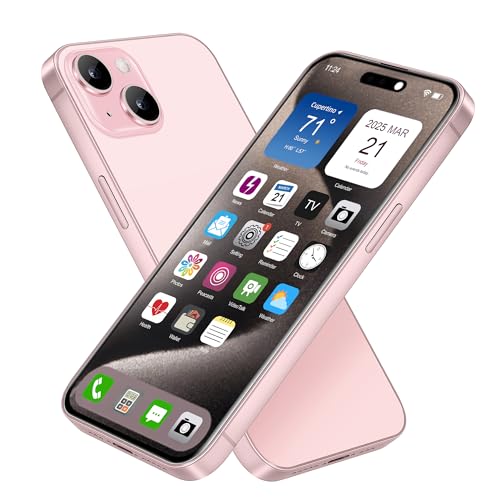
The FufoneUS dummy phone emphasizes realism and safety for pretend play. It mirrors the look, size, color, and weight of a real phone, with a durable construction and safe materials. While the device is non-functional in terms of telecommunications, its authentic design makes it a convincing prop for role-play, helping children imitate adult behavior without the risks associated with actual devices.
WEOLULI Kids Smart Phone

The WEOLULI device offers a multifunctional experience with a selfie camera, music player, games, and a drawing feature. It includes alphabet lessons, country landmarks, daily activities, and puzzle games to boost cognitive and motor skills. A habit tracker, timer, and flashlight support routine-building and independent play, making it adaptable for daily use and long-term engagement in learning through play.
Buying Guide: Key Purchase Considerations
- Age-appropriateness: Choose devices aligned with the child’s developmental stage. Younger kids benefit from simple, tactile controls and basic content, while older children enjoy more complex features like puzzles, habit tracking, and story modes.
- Educational value: Look for devices that blend play with learning, such as ABC letters, counting, languages, or cultural content, to support early literacy and numeracy.
- Safety and materials: Prioritize non-toxic plastics, rounded edges, and durable construction. Inspect for safe battery use and avoid small, detachable parts for younger children.
- Durability and portability: Consider devices with shatter-resistant screens and handles suitable for travel, as kids use toys across home, car, and daycare.
- Screen size and eye comfort: Smaller screens with appropriate brightness reduce strain. Many 2.8″ to 3.5″ options are designed to minimize eye fatigue during extended play.
- Sound and volume controls: Adjustable volume helps protect hearing. Some models include muffled or parent-controlled sound options for quiet play.
- Imitation vs. real-phone exposure: Fake phones offer pretend play without real connectivity. This reduces online risk while supporting social and imaginative play.
- Content variety: A mix of games, stories, math activities, and creative tasks keeps children engaged longer and supports diverse learning styles.
- Battery life and charging: If a model uses replaceable batteries, verify accessibility. For rechargeable units, ensure USB charging is simple and safe for kids to use under supervision.
- Parental controls and guidance: Some devices provide time limits or study modes, enabling parents to shape healthy play patterns and routines.