Best STEM Robotics Kits for 12-Year-Olds: Engaging Hands-on Learning Sets
Choosing the right robotics kit for a 12-year-old can spark lifelong curiosity in science, technology, engineering, and math. This guide highlights five top kits that blend hands-on building with practical learning, all tailored to pre-teens who love to explore how things work. Each option promotes critical thinking, problem-solving, and creativity while keeping screen time productive and fun.
| Product | Brand | Key Features |
|---|---|---|
| Smartivity DIY Robotic Mechanical Hand | Smartivity | Mechanical hand; step-by-step manual; 100% screen-free; lifetime replacement parts |
| ELEGOO Conqueror Robot Tank Kit | ELEGOO | Arduino-based; graphical programming; open resources; DIY assembly |
| ButterflyEduFields 40in1 STEM Robotics Kit | Butterfly EduFields | 40+ projects; 100+ parts; sensors and motors; plug & play |
| Thames & Kosmos Mega Cyborg Hand | Thames & Kosmos | Hydraulic-powered hand; adjustable fingers; no motors or batteries |
| TEACH TECH Hydrobot Arm Kit | TEACH TECH | Hydraulic arm; 6-axis movement; grasping capability |
Smartivity DIY Robotic Mechanical Hand

The Smartivity kit provides an action-packed, screen-free building experience. With a detailed instructional manual, kids construct a mechanical hand and explore basic engineering concepts. Suitable for ages 8–14, it emphasizes hands-on learning to boost confidence and creativity while reducing screen time. The kit includes a full set of parts with a promise of replacement parts, ensuring long-term play and learning.
24-in-1 STEM Circuit Science Experiments Robotics Kit

The MEWOCHEE 24-in-1 kit offers diverse circuit-based robot builds. With 7 modules and multiple robot head configurations, children can explore sensors, circuitry, and debugging. The clear instructions are designed to help parents join in for the first builds, making it suitable for collaborative learning. It supports foundational STEM understanding through hands-on construction and experimentation.
ELEGOO Conqueror Robot Tank Kit
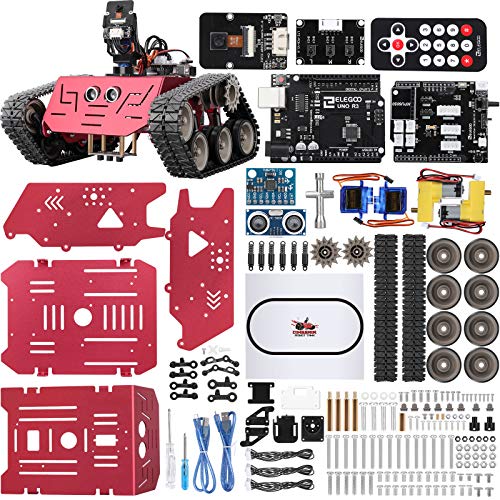
Based on Arduino, this kit emphasizes open resources and rich learning materials. Through DIY assembly and graphical programming, kids develop concentration and hands-on abilities while exploring a car’s functions and creative design. The instructional ecosystem supports a smooth transition from guided projects to independent robotics exploration.
Thames & Kosmos Mega Cyborg Hand

This kit centers on a giant hydraulic hand built without motors or batteries. Using air and water pressure, the hydraulics power finger movements to grip and lift objects. It offers adjustable finger joints for precision and a tangible, mechanical understanding of hydraulics and pneumatics, suitable for hands-on learners curious about engineering principles.
TEACH TECH Hydrobot Arm Kit

The Hydrobot Arm Kit introduces hydraulic principles through a functional robotic arm. Designed for ages 12+, it guides learners through building and operating a working hydraulic system. The kit emphasizes real-world engineering concepts like force transmission, leverage, and control with an approachable, hands-on experience.
Buying Guide: Key Purchase Considerations
When selecting a stem robotics kit for a 12-year-old, consider the following:
- Age-appropriateness and skill progression: Look for kits that scale from guided assembly to more complex projects as confidence grows.
- Hands-on learning vs. guided instruction: Some kits emphasize independent exploration, while others encourage parent-child collaboration.
- Core concepts: Prioritize kits that clearly teach mechanics, circuitry, hydraulics, or programming principles aligned with STEM goals.
- Expansion and replacement parts: A kit with easily available spare parts reduces downtime and extends learning opportunities.
- Programming approach: If a kit includes coding, verify the language and platform (e.g., Arduino, graphical blocks) to match the learner’s experience.
- Materials and durability: Look for robust components, secure joints, and safe materials suitable for repeated use.
- Creativity and project variety: A wider project range encourages experimentation and longer engagement.
- Parental involvement: Some projects benefit from initial parental guidance to maximize learning outcomes.
- Ethical and safety considerations: Ensure the kit complies with safety standards and uses non-toxic materials for kids.
In summary, the best kit depends on the child’s interests—whether they are drawn to building mechanized hands, programmable tanks, or hydraulics-based arms. A balanced selection offers exposure to electronics, engineering concepts, and problem-solving skills that align with common middle-school STEM standards.