Best Baby Laptop for 1 Year Old: Top Learning Tablets and Toy Laptops
Finding a kid-friendly learning device for a one-year-old means balancing engaging activities with safety and durability. The right baby laptop or tablet can foster early language skills, cognitive growth, and fine-motor development without overwhelming a toddler. Below is a curated list of five age-appropriate options designed for infants and toddlers, spanning screen-free pretend play to interactive learning tablets. Each choice highlights educational value, durability, and engaging features suitable for 12-18 months up to preschool readiness.
| Product | Brand | Recommended Age |
|---|---|---|
| Learning Tablet for Toddlers 1-3 Trilingual Learning Toys | Motiilanco | 12-36 months |
| 6-in-1 Kids Phone Toy | Boxiki kids | 1-4 years |
| Yiosion Musical Learning Tool Workbench | Yiosion | 12-36 months |
| YUSONIC Kids Headphones | YUSONIC | 1+ years |
| Fisher-Price Laugh & Learn Laptop | Fisher-Price | 6+ months |
This guide highlights five products that align with early learning goals such as language development, color and shape recognition, and basic problem solving. The selections emphasize durability and age-appropriate activities, including screen-free pretend play and engaging interactive features. While prices vary, each option provides meaningful learning opportunities for toddlers on the path to preschool readiness.
Learning Tablet for Toddlers 1-3 Trilingual Learning Toys

The Motiilanco learning tablet is designed for early language development with a tri-lingual approach (English, Spanish, French). It features over 90 interactive lessons covering ABCs, numbers, colors, animals, and more, aimed at preschool readiness. A 4-Stage Smart Play System guides progression through Discovery, Quiz, Music, and roleplay modes, engaging different cognitive skills and encouraging memory retention. By offering screen-free language practice and authentic pronunciation through 39 responsive buttons, the device supports speech development and vocabulary growth in a structured, age-appropriate way. This tablet is positioned as suitable for 12-36 month olds and acts as a foundation for early literacy and language skills.
6-in-1 Kids Phone Toy: Educational Tablet for Toddlers

The Boxiki Kids tablet offers six educational functions designed to foster language development and early math skills through interactive games. It emphasizes learning through play, with activities that cover letters, words, numbers, and basic geography-style prompts like “Where Is?” The device is built to withstand daily toddler use, addressing durability concerns common with young children. With its emphasis on critical thinking, the tablet supports a love of learning, while its sturdy construction aims to reduce breakage and provide long-term use as a child grows from toddler to beginner preschooler.
Yiosion Musical Learning Tool Workbench

The Yiosion workbench combines pretend play with music and basic STEM-inspired activities. It includes seven tools (hammer, electric drill, chainsaw, screwdriver, wrench, bench clamp, nail) plus four shape sorters and three LED lights. Children can explore colors, counting, matching, and early alphabet recognition while engaging with sound effects that stimulate auditory development. The toy is targeted at 12-36 months, making it a versatile gift that can support dramatic play, fine motor skills, and early problem-solving as little builders engage with the tool bench and its musical features. It’s a substantial option for imaginative play and tactile learning.
YUSONIC Kids Headphones with Sharing Port
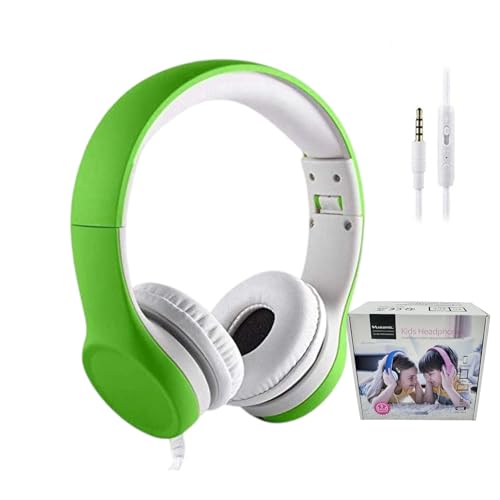
The YUSONIC kids headphones offer safe listening with volume limiting (85-93 dB) and a share connector so multiple devices can connect from a single source. The extendable headband provides a comfortable fit for growing children, and the build is designed to withstand use by toddlers and young kids. While primarily an accessory, the headphones support supervised screen time and learning apps by ensuring safe sound levels, preserving hearing while allowing children to engage with educational content or interactive stories that may accompany a toddler-friendly laptop or tablet. The product is suitable for 1 year and older and emphasizes safety and durability.
Fisher-Price Laugh & Learn Laptop

Fisher-Price’s Laugh & Learn laptop combines pretend computer play with 55+ songs, sounds, and phrases. Its Smart Stages learning levels teach the alphabet, colors, counting, greetings, and basic Spanish words. Hands-on features include a number and letter keyboard, screen slider, roller, plus a mirror and light-up touchpad. This classic option emphasizes interactive, age-appropriate exploration and language exposure, making it a solid choice for infants and toddlers beginning pretend play with technology. The device is built for durability and simple, engaging activities that suit early learners and families seeking an introductory educational tool.
Buying Guide
- Age appropriateness: Select devices labeled for your child’s current age range to ensure suitable content and difficulty. Younger toddlers benefit from screen-free or low-tech pretend play, while older toddlers can handle more interactive learning.
- Learning focus: Consider whether you want language development, early math, motor skills, or creative play. Some products emphasize tri-lingual exposure or music-based learning, while others prioritize imaginative play with tools and screens.
- Durability and safety: Look for sturdy construction with rounded edges and non-toxic materials. Check for chew-safe features and avoid devices with small detachable parts for infants and very young toddlers.
- Screen vs. screen-free balance: While tablets can boost language and cognitive skills, screen-free options like pretend play toys promote tactile learning and fine motor development without screen time concerns.
- Sound and volume control: For devices with speakers, ensure there are volume-limiting controls to protect young ears and accommodate family-friendly environments.
- Language options: If bilingual exposure is desired, prioritize devices with multiple language modes or support for pronunciation in different languages, especially for early speech development.
- Durable accessories: If a product includes headphones or wireless components, verify they are age-appropriate, with safe volume limits and sturdy connectors that resist tugging and pulling.
- Portability and battery life: For travel or on-the-go learning, lightweight devices with long-lasting batteries are practical. Consider whether toys require frequent charging or can run on replaceable batteries.
- Content variety: A broad range of activities helps maintain engagement. Look for options with diverse games, songs, and interactive prompts to sustain curiosity across months of use.
- Future compatibility: Some devices scale with a child’s growing abilities; features like multiple modes, add-on activities, or simple app ecosystems can extend usefulness beyond the initial year.