Best Baby Dolls for Dementia Patients: Comfort and Therapy Options
Choosing the right doll for dementia therapy can help reduce anxiety, encourage reminiscence, and promote social interaction. The dolls below are curated for lifelike detail, weighted bodies, and baby-like features that aid comfort and caregiver engagement. Each option offers hypoallergenic materials, easy cleaning, and poseable limbs to support meaningful activities like nurturing, soothing touch, and role-playing. This guide highlights five top picks with accessible sizes and realistic finishes to suit different needs.
| Product | Brand | Size | Key Benefit | URL |
|---|---|---|---|---|
| BABESIDE 17-inch Doll | BABESIDE | 17 inches | Realistic features with hand-rooted eyelashes and soft cloth body for cuddling | Product Link |
| Assistex Reborn Baby Doll 22″ | Assistex | 22 inches | Weighted body and lifelike details for comfort and therapy in seniors | Product Link |
| JIZHI 20″ Lifelike Reborn | JIZHI | 20 inches | Soft cloth body with poseable limbs for versatile activities | Product Link |
| Aori Lifelike 20-Inch Doll | Aori | 20 inches | Hand-painted details and poseable limbs for interactive care tasks | Product Link |
| Kaydora 16-Inch Doll | Kaydora | 16 inches | Weighted body with soft silicone head and limbs for a realistic feel | Product Link |
Note: Product names and details above align with the provided listings. This article presents objective information to help caregivers and family members select a comforting, engaging therapy doll.
BABESIDE 17-Inch Realistic Baby Doll

The 17-inch BABESIDE doll emphasizes life-like realism with hand-rooted eyelashes, delicate fingernails, and realistic folds on hands and feet. Its premium vinyl head, cloth body, and poseable limbs create a cuddly, durable option for daily care activities and pretend play. The soft texture and rosy cheeks contribute to comforting interactions, making it suitable for reminiscence and social engagement in dementia care settings.
Assistex Reborn Baby Doll — 22 Inches
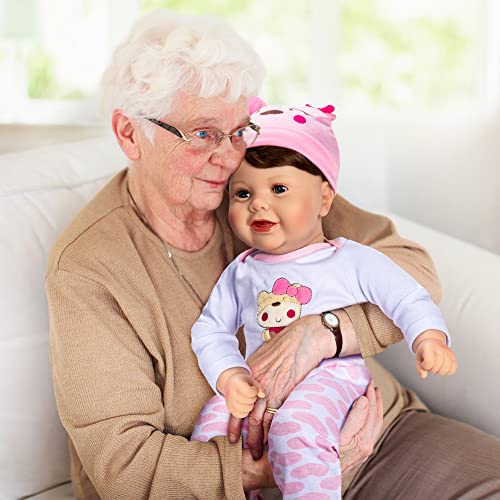
Assistex offers a 22-inch lifelike, weighted doll designed for senior comfort. The soft vinyl with a cuddly body, hand-painted lips and fingernails, and moveable limbs support a nurturing, soothing routine. This doll is commonly used as a therapeutic tool to reduce aggression and wandering while facilitating meaningful social interactions and caregiver engagement during therapy sessions or at home.
JIZHI Lifelike Reborn 20-Inch

This 20-inch JIZHI doll features a soft cloth body and full vinyl head and limbs for a real baby feel. The handsomely detailed face, rooted hair, and gentle eyelashes create a lifelike appearance conducive to comforting interactions, role-play, and reminiscence activities commonly used in dementia care. The doll is designed to be poseable, enabling caregiver-led routines and personalized care experiences.
Aori Lifelike 20-Inch Doll

Aori’s 20-inch doll is crafted with hand-painted blushing and rosebud lips, with hand-applied eyelashes for a natural look. The cloth body and flexible limbs provide easy posing for nurturing activities and gentle therapy sessions. Its craftsmanship makes it a visually engaging option for reminiscence activities and staff-assisted care routines.
Kaydora 16-Inch Realistic Doll

Kaydora’s 16-inch doll weighs about 2.47 pounds, offering a substantial, comforting feel in a compact size. The silicone head and limbs with a cotton body provide a realistic touch, supporting nurturing activities and sensory engagement. The doll is suitable for therapy tasks with seniors and can be a thoughtful gift for family members participating in dementia care plans.
Buying Guide: Key Considerations For Choosing Dementia Therapy Dolls
- Size and weight: Larger dolls (18–22 inches) offer a “real baby” heft that can be comforting, while smaller dolls (11–16 inches) are easier to hold for caregivers with limited mobility.
- Materials and cleaning: Look for vinyl heads and weighted cloth bodies, with washable or wipe-clean surfaces for hygiene in care environments.
- Poseability: Dolls with movable arms and legs enable varied activities—holding, rocking, feeding simulations, and gentle positioning—which can improve engagement.
- Realism vs. safety: Realistic features such as painted lips, rooted eyelashes, and subtle vein patterns can aid reminiscence but should avoid small detachable parts for safety in seniors.
- Durability: Durable construction matters for repeated handling and daily routines in therapy settings or homes.
- Care routines: Consider dolls that support caregiver-assisted activities like feeding, dressing, or bathing to foster a sense of purpose and routine.
- Therapeutic benefits: Doll therapy can help reduce agitation, wandering, or negative mood. Evaluate whether the doll’s appearance and weight align with the recipient’s preferences and needs.
- Compatibility with care goals: Choose a doll that aligns with cognitive and emotional needs, whether reminiscence, comfort, or social interaction.
- Maintenance plan: Regular cleaning, hair care, and clothing changes are part of ongoing therapy; select dolls with easily replaceable outfits and simple care instructions.
- Safety and supervision: Always supervise interactions with dolls, ensuring no choking hazards or stray small parts in environments with memory impairment.
- Ethical considerations: Respect patient preferences and the therapeutic goals of doll therapy, avoiding overly provocative or distressing representations.
- Budget and availability: Weight the initial investment against potential long-term benefits in caregiver time, mood stability, and quality of life.