Best Pianos for 3 Year Olds: Top Picks for Little Musicians
Finding a child-safe, engaging keyboard can spark early love for music. The following selections are designed for toddlers and preschoolers, offering age-appropriate features like record-and-playback, kid-friendly demos, and sturdy construction. Each option below emphasizes hands-on play, learning basics of rhythm, tempo, and melody without overwhelming first-time players. Use this guide to compare beginner pianos that balance fun with developmental value, helping kids develop fine motor skills, listening abilities, and creative confidence through musical exploration.
| Product | Brand | Key Features |
|---|---|---|
| BEST LEARNING My First Piano Book | BEST LEARNING | Interactive book-sized piano, color-coded keys, 10 songs, 6 instruments, record & playback |
| Toy Piano Keyboard for Kids Upgrade (Blue) | M SANMERSEN | New design, 37 keys, record & playback, 19 demos, 6 tones, 4 percussion |
| Keyboard Piano For Kids BIGFUN (Blue) | BIGFUN | 37 keys, multifunction with dual speakers, rhythm options, USB power |
| Toy Pianos for Kids Ages 3-7 (GAYUPLO) | GAYUPLO | 37 keys, keyboard stickers, microphone, educational for early learning |
| Love&Mini Piano Keyboard Toys for Girls | Love&Mini | 31 keys, LED teaching modes, microphone, recording, karaoke mode |
BEST LEARNING My First Piano Book
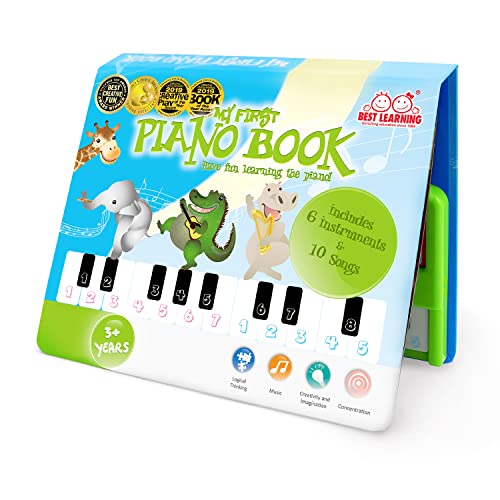
The BEST LEARNING My First Piano Book blends a compact keyboard with an illustrated songbook, creating a portable, all-in-one learning system for toddlers and preschoolers. The device is designed for 3- to 5-year-olds and has earned multiple awards that underscore its kid-friendly approach to music education. The color-coded keys and included songbook simplify early piano tasks, helping children associate notes with sounds and rhythms. A built-in record-and-playback feature allows young learners to listen to their own performances, reinforcing practice and self-assessment in a non-pressured setting. Its portability makes it suitable for travel or family lessons, enabling consistent exposure to musical activities anywhere. The emphasis on ease of use supports short attention spans and fosters early listening and memory skills.
Key benefits include approachable learning curves, tactile engagement with real-sounding notes, and a gentle introduction to musical storytelling. Parents can guide beginners through the 10 songs and 6 instrument sounds, gradually layering more complexity as confidence grows. Although compact, this piano-book hybrid provides satisfying sound quality and interactive feedback, which is crucial for maintaining curiosity in young musicians. While it’s not a full-sized piano, its emphasis on foundational skills—rhythm, tempo, and melody—helps prepare children for more advanced instruments later on. This choice is particularly well-suited for families seeking a budget-friendly, award-winning entry into children’s music.
Product highlights: Award-winning design, intuitive color-coded learning system, portable, and playback function for self-assessment. Potential considerations include ensuring it remains a stepping stone rather than a sole method of learning as a child’s interest evolves. For best results, pair with short, consistent practice sessions and short listening activities to reinforce musical concepts outside of playtime.
Toy Piano Keyboard for Kids Upgrade (Blue)

This upgraded 37-key toy piano targets early learners with a design that mirrors a real piano’s feel, including wood-grain visuals and dual speakers for fuller sound. The device features a Record & Playback function, enabling kids to compose and review their own tunes, which supports memory and creative experimentation. Its 19 demo tracks, multiple tones, and four percussion options introduce varied sonic textures, encouraging kids to experiment with tempo and rhythm. The built-in microphone adds a vocal dimension to play, enabling sing-along sessions that reinforce pitch awareness and vocal control in a playful context. The keyboard’s safety certifications and kid-friendly construction support worry-free exploration for families.
Educational value centers on early music theory exposure—beats, tempo, and harmony—presented through interactive demos and guided discovery. Parents can scaffold activities by selecting specific demos or creating short practice rounds that focus on consistent note-finding and tempo maintenance. As a long-term educational toy, it helps children transition from single-note melodies to more complex arrangements, while still maintaining a fun, approachable experience for 3- to 5-year-olds. Consider pairing with a basic rhythm game or clap-along routines to deepen understanding of timing and musical phrasing.
Keyboard Piano For Kids BIGFUN (Blue)

BIGFUN’s 37-key keyboard offers a versatile platform for budding musicians. It includes dual speakers, an ensemble mode, and several rhythm and tone options, providing a broad sonic palette suitable for 3- to 7-year-olds. A USB-powered setup simplifies use, and the playback/recording features enable kids to capture their ideas and hear them back with clarity. The keyboard’s design emphasizes portability and durability, making it a good option for homes, classrooms, or travel. The array of sounds, including animal and percussion tones, helps maintain engagement as children explore different musical textures and styles. This option supports independent play as well as guided activities led by a caregiver or educator.
Considerations for BIGFUN include monitoring volume and ensuring the device remains age-appropriate in complexity. It’s well suited for introducing basic music theory concepts—melody creation, repetition, and variation—without overwhelming a new learner. For sustained interest, pair practice with short, themed activities (e.g., “play a song in C major” or “play a demo and then improvise a new ending”). With regular use, kids build auditory discrimination, fine motor coordination, and early performance confidence.
Piano Toys for Kids Ages 3-7 (GAYUPLO)

The GAYUPLO keyboard combines a 37-key layout with keyboard stickers and a microphone to support early literacy and choral play. This arrangement makes it easier for children to associate letters and sounds with musical notes, while the included microphone invites vocal participation, encouraging expressive singing and breath control. Its educational emphasis centers on musical exploration and early performance skill-building, with features that promote collaboration during group play, which is valuable in a classroom or home setting. The design supports birthdays and holiday gifting and provides a visually engaging platform with kid-friendly artistry that appeals to both boys and girls in the target age range.
Potential refinements include ensuring sticker placement remains durable with little hands, and supplementing play with simple reading aloud activities to connect music with language development. The product’s versatility supports a wide range of activities—from solo practice to family sing-alongs—making it a solid option for introducing rhythm and melody while fostering creative expression in young children.
Love&Mini Piano Keyboard Toys for Girls

Love&Mini focuses on a kid-friendly, feature-rich piano experience with LED teaching modes, a 31-key keyboard, and a built-in microphone. The LED guidance helps beginners follow along with visual prompts, reducing frustration and supporting accurate timing and fingering. The device also supports recording and playback, enabling children to review their progress and celebrate improvements. The inclusion of a karaoke mode and MP3 interface broadens the scope of play, allowing kids to sing along with any chosen accompaniment. The compact footprint makes it suitable for bedrooms or playrooms, and the design is visually appealing to young girls, though it is enjoyable for all children curious about music.
As a learning tool, this option stands out for its balance of guided instruction and creative exploration. Consider pairing with simple rhythm clapping games or short vocal exercises to reinforce timing and pitch. To maximize development, use the LED tutorials as a scaffold, then gradually introduce independent practice where the child selects a song and explores different tempos and tones. This approach supports autonomy while maintaining a structured pathway to musical skill growth.
Buying Guide: Key Purchase Considerations
- Age and developmental appropriateness: Choose keyboards with simple layouts, color-coded keys, or visual aids for younger children to reduce cognitive load and sustain engagement.
- Sound and play options: Look for models with multiple tones, rhythms, and demo songs to expose children to varied musical textures while keeping playtime fun.
- Recording and playback: A recording feature allows kids to listen back and reflect on their progress, reinforcing memory and technique without adult intervention.
- Durability and safety: Ensure the product uses non-toxic materials, rounded edges, and lightweight construction suitable for toddler handling and classroom use.
- Size and portability: Compact, lightweight units are easier to transport between rooms or travel, supporting a consistent practice habit.
- Learning approach: Some toys emphasize guided learning with LED cues or color-coded keys, while others prioritize free play with extensive sound options. Balance is key to long-term motivation.
- Educational outcomes: Consider how the toy supports early rhythm, tempo, basic music theory, and fine motor development, along with social play opportunities when used with others.
- Maintenance and batteries: Check battery requirements and potential charging options, as long play sessions require reliable power sources.
- Consistent practice routines: Short, frequent sessions tend to yield better retention and enthusiasm than long, sporadic play.
- Parental or educator involvement: Guided sessions help structure learning while preserving the child’s sense of autonomy and curiosity.
- Progress tracking: Simple milestones (e.g., “play a demo song, then improvise a new ending”) provide tangible goals to celebrate.
- Transition planning: As skills grow, plan a gradual shift from toy keyboards to basic, child-sized pianos or keyboards with heavier touch sensitivity to advance technique.
In sum, selecting the right piano toy for a 3-year-old centers on a blend of engaging features, age-appropriate complexity, and opportunities for steady, enjoyable musical exploration. The options listed above offer a spectrum of play approaches—from book-based learning to interactive demos and vocal integration—helping families tailor a path that aligns with their child’s interests and developmental stage.