Best Play Sand for Kids: Safe, Clean, Creative Sandbox Fun
Children benefit from hands-on sensory play, and the right play sand supports tactile exploration, fine motor skills, and imaginative building. The products below offer a range of textures, safety assurances, and uses—from classroom setups to home play areas. This guide highlights five standout options, with practical notes on suitability, care, and how each can fit into different play environments.
| Product | Brand | Core Features | Common Uses |
|---|---|---|---|
| Palmetto Soft Play Sand | Play Sand | Soft, low-dust; free from chunks; 50 lbs | Sandboxes, sensory tables, classrooms |
| Sun Joe Ultra Fine Silica Play Sand | Sun Joe | Ultra-clean white silica; smooth texture | Sandboxes, therapy tables, crafts |
| Sandpiper Multiuse Play Sand | Sandpiper | Washed, low-dust; 50 lbs; fine texture | Sandboxes, sand tables, sensory areas |
| Kinetic Sand Beach Sand | Kinetic Sand | Original moldable sand; sticks together; resealable bag | Creative play, arts & crafts, imaginary builds |
| Classic Sand and Play Sand | CLASSIC SAND & PLAY | Premium-grade, non-toxic; 20 lb bag | Sandboxes, therapy, outdoor play |
Palmetto Soft Play Sand For Fun And Safe Play

Palmetto Soft Play Sand offers a versatile option suitable for homes, classrooms, and sensory play spaces. The sand is described as soft and safe, with a low-dust profile and a 50-pound bag size that supports large setups or multiple activity stations. Its texture supports digging, pouring, and molding, helping children develop motor skills and hand-eye coordination as they explore spills and clean up after play. For caregivers, the sand’s uniform consistency minimizes surprises during cleanup and reduces the amount of debris in the play area.
Sun Joe Ultra Fine Silica Play Sand For Sensory Play

Sun Joe Ultra Fine Silica Play Sand provides a premium white silica option with a soft, smooth texture that’s well-suited for molding, digging, and sculpture. The product is marketed for a broad range of uses—from sandboxes and sensory tables to gardens and aquariums—emphasizing its clean composition and tactile clarity. The fine grain supports precise construction projects and arts-and-crafts activities, while the sensory benefits are noted for encouraging tactile exploration and fine motor development across ages.
Sandpiper Multiuse Play Sand For Kids
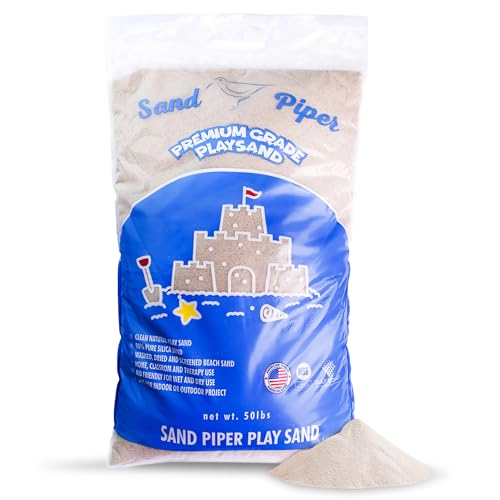
Sandpiper’s multiuse play sand is washed to minimize impurities, helping create a clean slate for sandbox play, sensory tables, or decorative setups. The sand’s low-dust profile supports mess-free play, while the uniform grain size provides a smooth texture ideal for building, digging, and crafting. It’s a versatile choice for families and classrooms seeking reliable results for a variety of sand-based activities without heavy cleanup.
Kinetic Sand Beach Sand For Moldable Play
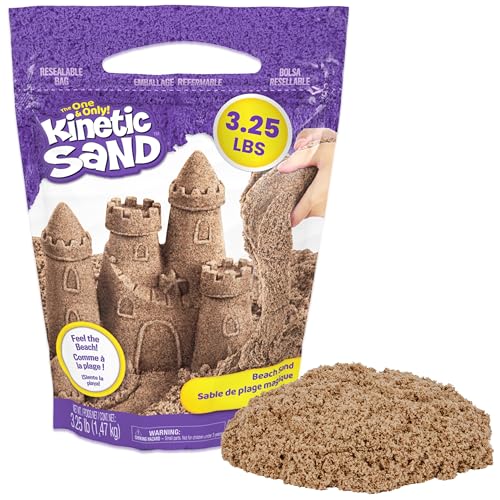
Kinetic Sand offers a distinct sensorily engaging option with a sand that sticks together. The Beach Sand version is designed for creative, moldable play and is stored in a resealable bag for neat cleanup. This product emphasizes imaginative play and repeated use, aligning with activities that involve sculpture, architecture, and storytelling through tactile construction. While not a traditional loose sand, it serves as a complementary option for kids who enjoy durable, easable-to-clean materials.
Classic Sand And Play Sand, Premium-Grade
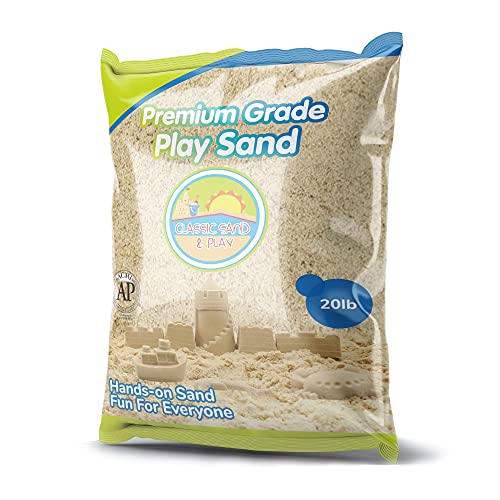
Classic Sand & Play emphasizes premium-grade, non-toxic sand suitable for both indoor and outdoor use. The texture is designed for easy molding when wet, making it a strong option for sand tray therapy, classroom projects, and home sandbox play. This sand is milled and washed to deliver a reliable, soft consistency that supports imaginative building while prioritizing safety and classroom-friendly performance. The product’s natural color keeps the focus on construction and sensory exploration without added coloration that could complicate projects.
Buying Guide: Key Purchase Considerations
- Safety and non-toxicity: Look for sands that are thoroughly washed, screened, and labeled non-toxic, especially for younger children who may accidentally ingest small amounts.
- Dust and cleanliness: Low-dust formulas reduce airborne particles and cleanup time, making them better for indoor play spaces and classrooms.
- Texture and moldability: Sands range from fine, smooth textures ideal for sculpting to more cohesive, moldable compositions like kinetic sand. Consider the intended activities and age range.
- Uses and versatility: Some sands are better suited for sandboxes, sensory tables, or therapy settings, while others double as decor or art medium. Align with your space and activities.
- Weight and packaging: Larger bags offer long-term use but require storage space. Lightweight or resealable packaging can aid in portability and quick cleanup.
- Maintenance and cleanup: Note whether the product minimizes dust, how easy it is to pour, and whether spills can be contained with simple tools (buckets, sifters).
- Allergen considerations: For sensitive environments, select sands free from additives like fragrances or cornstarch that could trigger reactions.
- Price and value: Compare bag size, durability, and reuse across activities to determine overall value for your typical usage and space constraints.
- Versatility for different ages: Some products perform well for toddlers learning basic shapes, while others serve older kids for more complex constructions and sensory exploration.
- Storage and organization: Keep sand in a dry area to preserve texture and prevent clumping. Consider labeled bins or shelving for multiple sand types.