Best Learning Robots for Toddlers and Preschoolers: STEM Toys for Curious Kids
The world of kid-friendly robotics offers engaging ways to spark early STEM skills, creativity, and problem-solving. This guide highlights five top picks that balance portability, safety, and age-appropriate learning. Each product focuses on hands-on play that builds fine motor skills, sequencing, and basic coding concepts without screens. Use the buying guide to compare options and choose the right fit for your child’s development stage and interests.
| Product | Age Range | Key Benefit |
|---|---|---|
| Educational Insights Design & Drill Robot | 3+ | Fine motor practice with real-world tool play |
| Ruko 1088 Smart Robots | 4-9 | Large programmable robot with voice and app controls |
| Miko 3 AI Robot | 5-10 | AI-powered storytelling, STEAM activities, touch screen |
| Learning Resources 1-2-3 Build It! Robot Factory | 3-6 | Early engineering and fine motor skills |
| Learning Resources Code & Go Robot Mouse | 4-7 | Screen-free introductory coding and problem solving |
Educational Insights Design & Drill Robot

The Educational Insights Design & Drill Robot blends construction play with pretend tool work to cultivate early engineering confidence. Toddlers work with a snap-and-screw robot kit to decorate and customize, supporting fine motor development as kids manipulate small parts. The set introduces foundational STEM concepts—simple construction, problem-solving, and imaginative play—through hands-on exploration. As children assemble, rotate pieces, and decorate, they practice sequencing and manual dexterity in a playful setting. The toy’s age-appropriate design encourages independent exploration while fostering creative storytelling around building tasks.
This kit emphasizes unplugged learning, avoiding screen time while delivering tangible, repeatable activities that sustain attention. Parents can participate by guiding step-by-step assembly or letting independent builders experiment with assembly order. The tool-based theme aligns well with classrooms or at-home playrooms focused on practical, real-world skills. With safe, toddler-friendly materials and clearly labeled pieces, this robot supports early STEM literacy and a sense of accomplishment as kids complete small builds and see visible results from their work.
Ruko 1088 Smart Robots

Ruko 1088 offers a large, programmable interactive robot designed for kids who want more from their playtime. Standing up to 15.8 inches tall, this robot introduces early programming concepts through varied play modes, including voice control and app-based interactions. Its multiple joints and expressive features invite kids to experiment with motion, storytelling, and creativity, making it a strong choice for families seeking a longer-term STEM companion. The robot supports cognitive development by encouraging logical thinking, sequencing, and problem-solving as children plan and test different actions and responses.
Beyond coding basics, Ruko 1088 broadens play possibilities with activities such as dancing, music, storytelling, and recording. This expands the learning window from technical skills to creative expression and social-emotional development as children imagine scenarios, direct the robot, and even create simple performances. The device is designed to grow with kids, offering more complex tasks as they gain confidence, making it a gateway to progressive STEM and arts-oriented play.
Miko 3 AI Robot for Kids
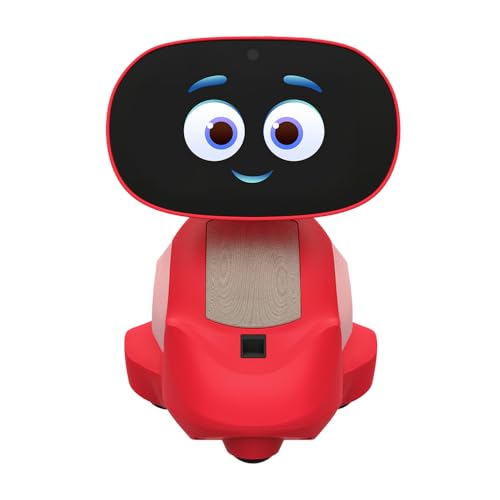
Miko 3 is a smart educational robot designed for ages 5–10, blending AI-powered learning with a built-in touchscreen for interactive experiences. The robot incorporates STEAM activities, stories, and games—offering a screen-guided yet hands-on learning environment that captivates children while promoting educational engagement. Its adaptive personality and content are designed to align with a child’s interests, making learning feel like a friendly conversation rather than a lesson. This personalized approach can help maintain curiosity and encourage regular practice with coding, storytelling, and critical thinking tasks.
Two standout features are Story Maker adventures and the memory-friendly storytelling capability. Story Maker allows children to co-create stories with Miko, saving them as digital memory books for families to revisit. The AI’s ability to tailor content over time ensures ongoing relevance and challenge, supporting long-term skill development. As a result, Miko 3 offers a balanced mix of entertainment and educational value, suitable for families seeking a tech-friendly, kid-centered learning toy.
Learning Resources 1-2-3 Build It! Robot Factory

The Learning Resources 1-2-3 Build It! Robot Factory focuses on early engineering concepts and fine motor skills through hands-on construction play. Toddlers and preschoolers can craft imaginative robots using straightforward, easy-to-handle pieces. The kit supports the development of reasoning, planning, and spatial awareness as children assemble components and discover how parts fit together. The simple design helps young builders gain confidence as they test ideas, adjust configurations, and build a sense of accomplishment with each completed model.
In addition to mechanical skills, this activity set encourages imaginative play as kids imagine robots completing tasks, solving pretend problems, or collaborating on projects with peers or caregivers. By combining construction with creativity, it serves as a versatile STEM introduction that grows with a child’s curiosity and problem-solving abilities over time.
Learning Resources Code & Go Robot Mouse
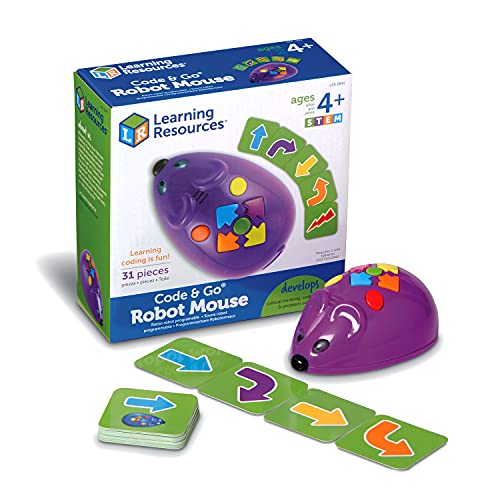
This screen-free, programmable mouse teaches early coding concepts through hands-on play. Designed for ages 4+, it introduces basic sequencing, conditionals, and problem-solving as children guide the robot mouse to its destination. The kit supports multiple learning styles with colorful buttons, directional cards, and light-up indicators that reinforce coding logic in a tangible way. The emphasis on screen-free learning helps reduce passive screen time while delivering a structured path to foundational computer science skills that kids can internalize through play.
In addition to coding basics, the Code & Go Robot Mouse promotes critical thinking and planning. Kids test routes, adjust sequences, and observe how small changes affect outcomes. The kit’s approachable design and clear feedback loops make it suitable for classroom use or home learning, providing a scalable introduction to STEM topics that lays groundwork for more complex programming concepts later on.
Buying Guide: Key Purchase Considerations
- Age appropriateness and learning goals: Choose a model that matches your child’s development stage. Toddlers benefit from hands-on, motor-focused kits, while older kids can explore basic coding and storytelling.
- Screen time balance: If reducing screen exposure is a priority, prioritize toys like Code & Go Robot Mouse or Build It! Robot Factory that rely on physical interaction rather than screens.
- Durability and safety: Look for sturdy pieces, rounded edges, and non-toxic materials. Check for small parts that may require supervision for younger children.
- Gift longevity: Consider robots with expandable activities or features that scale with skill growth, such as programmable modes, storytelling, or diverse play modes.
- Learning scope: Some toys emphasize fine motor skills, others focus on programming logic, storytelling, or creative expression. Decide which skills you want to reinforce.
- Maintenance and storage: Ensure pieces have organized storage options and minimal setup complexity to sustain long-term play.
- Compatibility and ecosystem: Some robots offer app-based interactions or additional accessories. Assess whether you want an ecosystem that grows with your child.
- Cost and value: Compare sets by the number of components, learning opportunities, and long-term play value to determine the best value for your budget.
The selections above provide a spectrum of early robotics experiences—from unplugged construction and fine motor play to entry-level programming and AI-powered activities. When choosing, align the toy with your child’s interests (construction, storytelling, or exploration) and your family’s learning priorities (creative play versus coding fundamentals). All five options offer safe, engaging opportunities to develop essential skills while keeping playtime enjoyable.