Best Engineering Sets for Kids: Hands-on STEM Kits for Young Builders
Exploring engineering through hands-on kits helps kids grasp core STEM concepts while boosting creativity and problem-solving. This guide highlights top engineering sets that blend fun with learning, featuring clear instructions, safe designs, and expandable projects. Each selection is chosen for age-appropriate challenges, durable materials, and engaging activities that align with school learning goals.
| Product | Brand | Age Range | Why It Shines |
|---|---|---|---|
| National Geographic Circuit Maker Kit | Blue Marble | 6+ | 120+ circuit projects; kid-friendly video instructions; safe, engaging electrical exploration. |
| ELEGOO UNO R3 Smart Robot Car Kit | ELEGOO | 8-12 | Hands-on robotics with 24 modules; smartphone control; beginner-friendly assembly. |
| choopheme 10 in 1 Stem Toys | choopheme | 4-8 | 10 moving models; durable storage; non-toxic materials; clear assembly steps. |
| IQ BUILDER | IQ BUILDER | 3-10 | Strong STEM emphasis; classroom-tested; broad design challenges. |
| Learning Resources City Engineering Set | Learning Resources | 5+ | City-building focus; encourages planning, creativity, and problem-solving. |
National Geographic Circuit Maker Kit

The National Geographic Circuit Maker Kit introduces electrical circuits through 120+ projects. Young learners can explore how circuits power lights, sounds, and simple machines, expanding curiosity beyond basic theory. The kit emphasizes safe, kid-friendly activities with illustrated instructions and video guidance accessible via a QR code, helping kids follow along even without adult supervision. Projects span a range of electrical concepts, from series and parallel circuits to simple amplifiers, fostering sequential thinking and experimentation.
ELEGOO UNO R3 Smart Robot Car Kit

The ELEGOO UNO R3 kit offers a hands-on robotics experience with Arduino-based control. It includes 24 module parts such as obstacle avoidance and line-tracing modules, enabling programming, electronics assembly, and basic robotics concepts. The parts use standardized interfaces, simplifying assembly and reducing errors. Compatible with Android and iOS devices for remote control, this kit promotes practical understanding of sensors, actuators, and feedback systems, making it a strong bridge from beginner projects to intermediate robotics challenges.
choopheme 10 in 1 STEM Toys

choopheme’s 10-in-1 STEM set presents 10 different engineering models, including vehicles like bulldozers and cranes. It supports hands-on learning of core STEM skills through building, testing, and iteration. The kit includes detailed assembly instructions, encouraging problem-solving and planning. Built with non-toxic materials and stored in a sturdy box, it’s designed for extended play and quick cleanups, appealing to curious kids who enjoy moving parts and mechanical reasoning.
IQ BUILDER
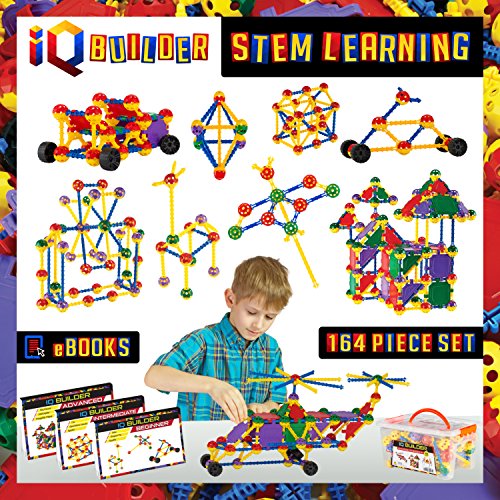
IQ BUILDER emphasizes critical thinking and problem solving within a STEM framework. Marketed as a teacher-recommended kit, it positions itself as a versatile tool for classrooms and home use alike. The set challenges kids to apply science, technology, engineering, and mathematics concepts through engaging construction activities. Its flexible design encourages repeat experimentation, making it suitable for varied age ranges and learning paces as kids grow more confident with engineering basics.
Learning Resources City Engineering Set
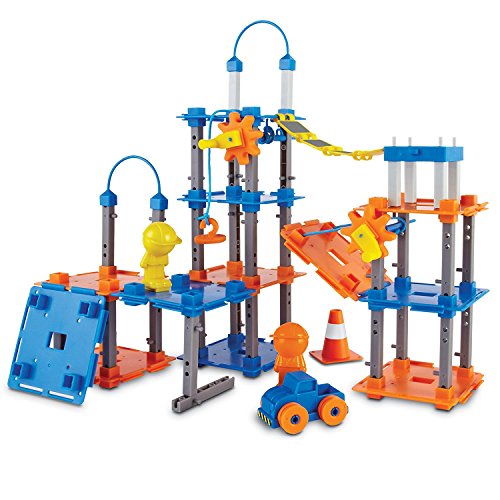
This city-themed building set encourages urban design and simple machines exploration. Children construct skyscrapers, cranes, and bridges, applying critical thinking from concept to construction. The activities align with the design process: Ask, Imagine, Plan, Create, and Improve, helping kids articulate goals, test ideas, and refine outcomes. The emphasis on collaborative play also supports teamwork and communication as part of engineering practice.
Buying Guide: Key Considerations For Choosing The Right Engineering Set
Age range and safety: Ensure age-appropriate complexity and non-toxic materials. Look for kits with clear safety guidelines and durable components designed for frequent use by kids.
Curriculum alignment: Consider how well the set reinforces core STEM concepts such as circuits, robotics, structures, and problem solving. Sets with step-by-step guides and progression paths help sustained learning.
Projects and expansion: Favor kits offering a broad range of projects and the possibility to expand with additional parts or future kits. This supports long-term engagement as skills advance.
Parts quality and durability: Solid components, reliable connectors, and robust hardware reduce frustration and encourage experimentation. A sturdy storage system aids cleanup and organization.
Support resources: Video tutorials, illustrated manuals, and teacher or parent guides enhance understanding and ease of use. QR codes or online libraries can provide extra help for sticking points.
Portability and storage: Lightweight kits with compact packaging are easier to share across classrooms or family settings. Consider whether the kit includes a storage box or organizers for small parts.
Learning outcomes: Look for kits that develop critical thinking, spatial reasoning, planning, and collaboration. A strong set supports both independent play and cooperative projects.