Best 80s Toys for Boys: Classic Retro Fun Today
Moments from the 1980s still spark nostalgia for many American families, and classic toys from that era continue to captivate new generations. This guide highlights five iconic 80s-era toys that remain relevant for kids today, blending simple, screen-free play with timeless problem-solving, competition, and imaginative fun. Each pick offers a distinct kind of engagement—from memory challenges and brain-teasing puzzles to hands-on action and retro-inspired exploration. Explore how these games and gadgets can entertain, educate, and inspire creativity without relying on digital devices.
Product Snapshot
| Product | Brand | Key Appeal |
|---|---|---|
| Hasbro Simon Handheld Electronic Memory Game | Hasbro Gaming | Pattern recall, solo play, light-and-sound fun |
| Rubik’s Cube, The Original 3×3 | Rubik’s | Puzzle puzzle puzzle—logic, colors, spatial reasoning |
| Rock ‘Em Sock ‘Em Robots | Mattel Games | Two-player action, fast-paced boxing duel |
| View-Master | View Master | 3D images, simple flick-to-change reels |
| Battleship Classic Board Game | Hasbro Gaming | Strategy, deduction, head-to-head play |
Hasbro Simon Handheld Memory Game
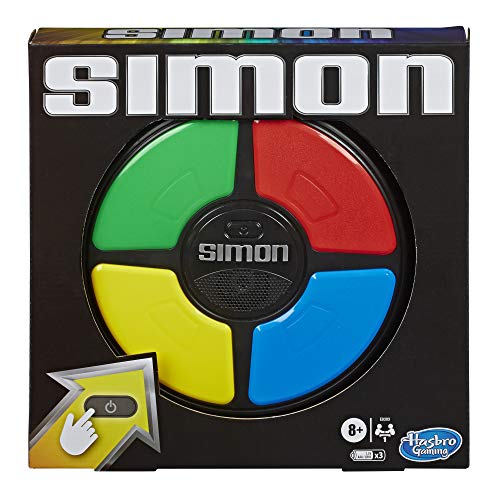
The Simon game remains one of the most recognizable memory challenges from the 1980s. Players watch and listen as a sequence of flashing lights and tones appears, then must reproduce it by pressing the colored pads in the correct order. The device begins with a manageable pace and gradually increases difficulty, testing recall, attention, and short-term memory. It supports solo play for individual high-score attempts or can be enjoyed with a friend for a two-player variation. The compact handheld format makes it easy to travel with and share in quiet moments or classroom activities. Features emphasize repeatable patterns, escalating suspense, and a straightforward rule set that keeps the experience accessible for kids aged 8 and up.
Rubik’s Cube, The Original 3×3

Since its 1980 debut, the Rubik’s Cube has stood as a benchmark for creative problem-solving. The 3×3 twist-and-turn puzzle challenges players to align each face with a single color, engaging spatial reasoning and patience. Beyond entertainment, it can serve as a stress-relief tool, offering a tactile, hands-on way to channel focus. The cube’s enduring appeal also makes it a versatile stocking stuffer or classroom brain-teaser. The design remains faithful to the original mechanics while inviting new generations to discover the satisfaction of solving a colorful, multi-sided puzzle.
Rock ‘Em Sock ‘Em Robots

Rock ’Em Sock ’Em Robots brings a classic competitive edge to the table. This two-player action game pits Red Rocker against Blue Bomber in a boxing-ring showdown where the goal is to knock the opponent’s block off. The bright, sturdy figures and straightforward controls provide instant, accessible fun that encourages quick reflexes, strategic moves, and friendly rivalry. The game’s portability makes it ideal for family game nights, school events, or road trips. For many, it’s a nostalgic reminder of arcade-style play translated into a portable, social format.
Battleship Classic Board Game

Battleship is a naval strategy game built for two players. Each competitor disguises ships on a grid and takes turns calling shots to locate and sink the opponent’s fleet. The game emphasizes deduction, logical thinking, and tactical planning, making it a perfect pick for kids who enjoy problem-solving and competitive play. Its portable two-player design supports travel and family gatherings, while the rule set is simple enough for younger players to grasp quickly, yet provides enough depth for older kids and adults to enjoy in extended sessions. The enduring appeal of naval combat makes this a timeless choice for retro game fans.
Buying Guide: Key Purchase Considerations
When shopping for retro-style toys and games, consider how each item aligns with a child’s development stage and play preferences. Here are several angles to weigh:
- Skill Development: Puzzles like the Rubik’s Cube build problem-solving, patience, and fine motor skills, while memory-based games like Simon boost concentration and short-term recall. Choose based on whether you want cognitive challenge or quick, energetic action.
- Two-Player Versus Solo Play: Classic board games like Battleship and Rock ’Em Sock ’Em Robots emphasize interaction and social skills, whereas handheld titles such as Simon enable solo practice and personal bests. A mix can support both social and independent play.
- Portability and Setup: For families on the go, compact, lightweight options with simple setup—like Simon or View-Master—offer quick entertainment without requiring additional equipment or screens.
- Age Range and Safety: Check recommended ages and durability, particularly for younger children who may handle pieces with care. Some retro toys feature small parts; ensure they are developmentally appropriate.
- Educational Value vs Pure Fun: While many 80s toys deliver pure entertainment, some also introduce science, math, or historical themes (such as View-Master’s 3D reels or Battleship’s strategic planning). Balance educational goals with enjoyment.
- Maintenance and Longevity: Durable materials and timeless designs tend to outlast trend-driven gadgets. Consider how often the toy will be played and whether it benefits from minor maintenance (e.g., replacing batteries or organizing pegs and pieces).
- All-ages Appeal: Some items translate well beyond childhood, offering opportunities for family bonding, classroom demonstrations, or nostalgic adult recreation. If multi-generational use is a goal, prioritize broadly appealing options like puzzles and two-player games.
Design and Experience Comparisons
Memory and pattern games (like Simon) emphasize quick thinking and reflexive recall, with a sensory focus on lights and sounds. Puzzle toys (such as Rubik’s Cube) foster procedural thinking, spatial visualization, and perseverance. Action-oriented games (Rock ’Em Sock ’Em Robots) stress timing and coordination, while exploration-oriented devices (View-Master) offer a simple, imaginative escape into 3D visuals. Strategy games (Battleship) combine deduction with planning, rewarding careful experimentation and prediction. Collectively, these options cover a broad spectrum of play styles that helped define 80s-era toys and remain relevant today.
Why These Picked Toys Matter Today
These five selections capture the essence of 80s toy culture: approachable, durable, and capable of sparking curiosity without screens. They support cognitive development, encourage physical interaction, and promote social engagement. For American families seeking nostalgia without sacrificing modern safety and play value, these classics offer a balanced mix of education, fun, and collaborative experiences that stand the test of time.