Best Toys for Autistic Children Aged 7: Engaging, Calming and Educational Picks
Finding toys that support focus, calm, and development for a 7-year-old on the autism spectrum can be a challenge. The following selections blend sensory input, fine motor practice, and engaging play to help with attention, coordination, and communication in everyday settings. Each option below has been chosen for safety, educational value, and the potential to reduce anxiety while offering hours of constructive fun. Use this guide to compare textures, sounds, and modes of interaction to suit your child’s unique needs.
Summary of chosen products:
| Product | Brand | Focus Area | Key Benefit |
|---|---|---|---|
| Scientoy Fidget Toy Set | Scientoy | Fidget & Sensory | 35 pieces for varied tactile play, safe materials |
| 21″ Large Spinning Chair | Pterying | Vestibular & Balance | Indoor/outdoor use; strengthens coordination |
| Musical Light Up Wand | LoveHugs | Sensory Light & Music | Soothing lights with melodies |
| CUBIDI Rainbow Puzzle Ball | CUBIDI | Fine Motor & Problem Solving | Color-matching puzzle ball; engaging challenge |
| Sensory Spinning Chair | HAPPYMATY | Balance & Proprioception | Sturdy design; supports active sensory play |
Scientoy Fidget Toy Set: 35 Pcs Sensory Toys
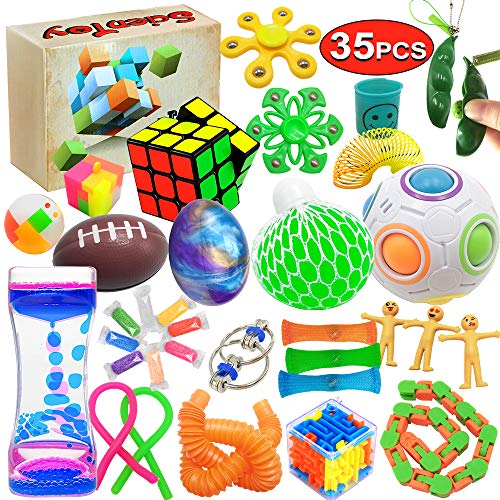
Designed for a wide range of sensory needs, the Scientoy Fidget Toy Set provides 35 different pieces, including a rainbow magic ball, an LED-like motion timer, squeezable balls, maze puzzles, and multiple texture-filled toys. The set is constructed from high-quality ABS material that passes safety standards in both Europe and the United States, helping reduce concerns about toxins during play. For children with autism or ADHD, these tools can aid in focus during learning tasks and provide a peaceful route to self-regulation. Gift-ready packaging makes it suitable for classroom rewards or home practice sessions.
Key features include a mix of squeeze, twist, flip, and squeeze-and-release activities that promote fine motor skills and hand strength. The variety also supports different sensory preferences—visual, tactile, and proprioceptive input—allowing caregivers to tailor play to a child’s current needs. Parents may find this set helpful for transitioning between activities or reducing anxiety during busy days. While extensive, the collection remains approachable for seven-year-olds with guided play.
21″ L × 19″ W Large Spinning Chair for Autistic Kids

The Pterying spinning chair is crafted to help with vestibular development and motor coordination. The design accommodates children who may benefit from movement while seated, providing a safe, multi-functional platform for play, reading, or relaxation. Its sturdy build supports substantial weight and features thickened edges for safety. The chair’s versatility makes it suitable for indoor play or outdoor calm-down corners, offering a structured way to engage with movement. As a result, it can be a key piece of a sensory-friendly room or classroom setup for a child around age seven who benefits from controlled, repetitive motion.
Why it matters: movement-based activities can improve balance, attention, and spatial awareness in children with autism. The chair’s robust construction, combined with its safe design, encourages repeated, independent use as part of a daily routine. The ability to lie down or sit in various positions also supports diverse sensory processing needs, which can reduce overstimulation and help transitions between tasks.
Musical Light Up Wand: Sensory Lights

The Musical Light Up Wand from LoveHugs combines hypnotic, colorful light shows with a looping musical melody to create a rich sensory experience. This toy is designed to captivate a child’s attention while providing a calming auditory and visual environment. The wand’s continuous light display helps with visual tracking and can be used to support concentration during small group activities or individual tasks. For seven-year-olds who enjoy interactive play, the wand offers a simple, engaging way to practice turn-taking and shared play with peers or caregivers.
Key benefits include a gentle rhythm that can soothe heightened emotions and an engaging, non-overstimulating performance that can be paused easily. The bright colors and familiar musical cues may support language development through labeling colors and sounds during guided play. As a sensory tool, it fits well into a quiet corner or as a focal point in a therapy-style session.
CUBIDI Rainbow Puzzle Ball
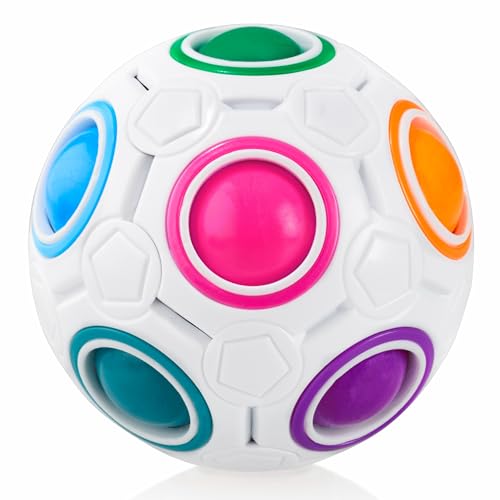
The CUBIDI Rainbow Puzzle Ball offers a color-matching challenge that combines cognitive engagement with a tactile, handheld format. With 12 holes around the ball and 11 internal balls, the puzzle promotes problem-solving, spatial awareness, and color recognition—skills that align with many educational goals for children in early adolescence. The puzzle’s bright hues and interactive movement keep a seven-year-old engaged, while the compact design makes it suitable for travel or classroom use. It can be a gentle way to introduce sequencing and strategic thinking without pressure.
Its durable build and safety-friendly design reduce the risk of frustration from small mishaps. The puzzle ball can be used one-on-one with a caregiver or as a quiet independent activity in a sensory corner. For children who enjoy repetitive actions, the puzzle offers a satisfying loop of trial, adjustment, and achievement that supports persistence and focus during playtime.
Sensory Spinning Chair for Kids with Autism & ADHD

This green Sit and Spin chair by HAPPYMATY is designed for kids with autism and ADHD to engage in movement while seated. The chair supports balance training, core stability, and motor control, offering a sturdy metal base and non-slip features for safety. It is designed for both indoor and outdoor use, making it adaptable to different environments such as homes, classrooms, or therapy rooms. The chair can encourage safe, self-directed sensory exploration and can be a practical addition to a sensory diet, helping children build endurance and body awareness through repeated spinning and changing positions.
Safety considerations include a weight capacity suitable for growing children and a stable base to minimize tipping during more vigorous use. The design emphasizes long-lasting durability and ease of maintenance, which is important for frequent, daily use in a busy household or school setting. When paired with guided activities, it can support attention modulation and provide a reliable, predictable sensory input for children who benefit from structured movement.
Buying Guide: Key Purchase Considerations
To choose the best toys for a seven-year-old with autism, consider sensory preferences, safety, and educational value. Here are important angles to evaluate:
- Sensory profile: Determine whether the child benefits most from tactile, visual, auditory, or proprioceptive input. A mix of textures and sounds can support a broader range of needs, but subtle variations may work best for different days or tasks.
- Safety and materials: Look for non-toxic materials, rounded edges, and durable construction. For younger siblings or frequent classroom use, features like lead-free plastics and BPA-free components are essential.
- Active vs. passive engagement: Movement-based toys (like spinning chairs) assist balance and motor planning, while manipulatives (puzzle balls, fidget sets) develop fine motor skills and problem-solving. A balanced mix helps a sensory diet without overstimulation.
- Portability and storage: Compact items are easier to transport to school or therapy sessions. Storage boxes or included gift packaging can simplify cleanup and organization.
- Therapeutic potential: Some toys align with occupational therapy goals, such as improving hand strength, coordination, or communication. Consider items that can be incorporated into a daily routine with family or classroom guidance.
- Engagement level and learning curve: Choose toys with clear feedback (colors, sounds, or visible movement) to encourage achievement and reduce frustration. Adjustable levels of challenge help maintain motivation.
Usage tips for best outcomes:
- Pair toys with guided activities or routines to create predictable patterns that reduce anxiety during transitions.
- Suspend exploration for shorter periods initially; gradually increase playtime as comfort and focus improve.
- Observe and rotate toys to keep engagement high and prevent overstimulation from a single sensory input.
- Involve caregivers or teachers in setting goals that align with communication, social, or academic objectives.
All five selections above provide distinct sensory or developmental advantages, offering a well-rounded trio of options for independent play, shared activities, and classroom use. Each product is designed to be age-appropriate for a 7-year-old and adaptable to different sensory needs, ensuring that play remains a positive, supportive part of daily routines.