Best Toys for 6 Year Olds: Top Picks for Play, Learning, and Imagination
Finding the right toys for a 6-year-old means balancing imagination, skill-building, and active play. The following selections cover pretend play, creative arts, STEM exploration, transportation fun, and interactive challenges to keep a curious 6-year-old engaged. Each pick is chosen for age-appropriateness, durability, and broad appeal among many children in this age range.
| Product | Brand | Type |
|---|---|---|
| Meland Toy Doctor Kit | Meland | Pretend Play Medical Kit |
| Transformers Heroic Optimus Prime | Transformers | Action Figure |
| Dan&Darci Glow Rock Painting Kit | Dan&Darci | Arts & Crafts Kit |
| QUNREDA RC Cars | QUNREDA | Remote Control Car |
| Learning Resources Brainometry | Learning Resources | STEM Puzzle |
Note: The selections below focus on toys that foster creativity, problem-solving, and active play while staying suitable for children around six years old. Links and brief details are embedded for quick reference to each product’s official listing.
Meland Doctor Kit For Kids — Pretend Play Medical Set

The Meland Doctor Kit is designed to spark empathy and curiosity through role play. It includes a doctor coat, hat, carrying bag, and a broad set of medical tools such as a stethoscope, thermometer, tweezers, and more. This kit also includes a plush dog toy that can become a patient in pretend visits. The comprehensive tool assortment supports kids who enjoy dressing up as doctors or nurses and helps them practice recognition of basic medical tools in a gentle, non-threatening way. The set is well-suited for individual play sessions or collaborative pretend play with siblings and friends.
Age-appropriate features help children re-create doctor visits, which can reduce anxiety about real checkups by offering familiar, friendly experiences. The inclusion of patient toys and medical gear supports storytelling and social interaction, encouraging kids to explain procedures and ask questions in a safe, imaginative environment. The materials are designed for light, indoor use, with emphasis on imaginative play rather than actual medical instruction.
What to consider: Comfort with dressing up, interest in role play, and the desire to explore how doctors help people. The realistic visuals and variety of tools make this set a strong choice for long-term engagement, with potential to evolve from simple pretend play to more complex narratives as a child’s vocabulary and social imagination grow.
Transformers Heroic Optimus Prime Action Figure
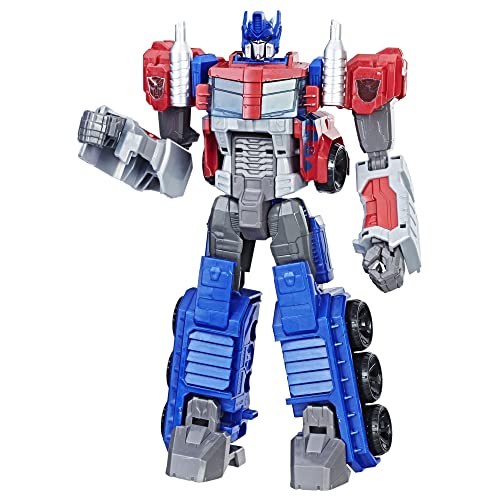
The Optimus Prime figure offers classic Transformers play with a 11-inch size, featuring a straightforward robot-to-truck transformation in six steps. This play pattern supports fine motor skills, sequential thinking, and imaginative storytelling as kids simulate battles between Autobots and Decepticons while reconnecting with familiar characters. The dual nature of a robot and a vehicle adds a dynamic element that keeps older preschoolers and early elementary kids engaged. The figure also serves as a gateway for kids to explore themes of leadership, teamwork, and problem-solving through pretend play and imaginative adventures.
Considerations for this pick include the child’s interest in vehicles, transformable toys, and action-oriented play. The toy’s collectible nature may also appeal to kids who enjoy building a starter Transformers collection, while the size is manageable for most 6-year-olds to handle independently or with minimal help.
Dan&Darci Glow Rock Painting Kit

This kit invites 6-year-olds to explore color, glow-in-the-dark effects, and tactile painting. With a set including rocks, paints, glitter glue, brushes, googly eyes, and stickers, children can design glowing creatures, landscapes, or abstract art. The glow feature adds a magical element that can extend art sessions into dimmer rooms, creating moments of delight as designs come to life after dark. The activity encourages concentration, color mixing, and fine motor precision, all while offering a tangible sense of accomplishment when a rock design is completed and shines in low light.
Key considerations for this item include a child’s interest in crafts, patience for painting, and the desire for visually striking results. The kit’s open-ended nature makes it easy to adapt to different themes, such as animals, space, or fantasy creatures, encouraging sustained creative exploration beyond a single project.
QUNREDA 2.4 GHz RC Cars — Pink Remote Control Stunt Car

The QUNREDA RC stunt car brings high-energy play to a six-year-old’s routine. With a 2.4 GHz remote, the car supports long-distance control, 9 different stunt modes, and 360-degree flips. Two detachable rechargeable battery modules extend playtime to roughly 50 minutes per charging cycle, providing more time for continuous fun. The two-sided design allows wheels to grip surfaces even when the car is upside down, which helps kids practice precision driving and coordination. This toy supports active, outdoor, or large indoor play and can spark friendly competition when siblings or friends join in a race or obstacle course.
Things to evaluate include the child’s interest in vehicles and remote control play, tolerance for small parts, and the safety of play environments. The dual-battery setup is a practical feature, but parents may want to supervise charging and use to ensure safe handling and appropriate play areas to prevent damage to furniture or walls.
Learning Resources Brainometry — 3D Puzzle And Brainteaser Set

The Brainometry kit from Learning Resources focuses on brain-teasing challenges that develop critical thinking, pattern recognition, and fine motor skills. The 3D puzzle and pattern blocks offer hands-on problem-solving opportunities suitable for children aged 5 and up, aligning well with a six-year-old’s cognitive development. With multiple activity cards that increase in difficulty, kids can progress at their own pace, strengthening spatial awareness, logical reasoning, and mathematical thinking through tactile experiences. This kit is a versatile addition to a home or classroom learning corner, capable of stimulating independent and guided play.
When considering this option, assess the child’s interest in numbers, shapes, and logical puzzles. The open-ended nature of the challenges allows kids to explore different strategies and build confidence as they test hypotheses and observe outcomes, essential skills for early STEM learning.
Buying Guide: Key Purchase Considerations For 6-Year-Old Toys
Selection criteria for toys aimed at six-year-olds should balance safety, cognitive development, physical activity, and social interaction. Here are several perspectives to help compare options across categories:
- Age appropriateness and safety: Check age recommendations and small parts warnings. Look for sturdy construction, non-toxic materials, and age-appropriate complexity that challenges without overwhelming the child.
- Skill development: Seek toys that build fine motor skills, early math or literacy, and strategic thinking. STEM kits, puzzle games, and construction sets often offer layered challenges that align with school readiness.
- Imagination and storytelling potential: Pretend play sets and role-play tools encourage social interaction, empathy, and narrative skills. A doctor kit, robot figure, or glowing art project can become recurring characters in ongoing stories.
- Active play vs. quiet activities: A balance between high-energy options (RC cars, interactive games) and quieter crafts (rock painting, brainteasers) supports varied attention spans and energy levels throughout the day.
- Durability and value: Consider how long a toy will hold up to frequent use, rough play, and potential wear. Durable materials and simple maintenance extend the life of a toy and maximize value.
- Educational balance: Some toys emphasize practical skills (tech, science kits), while others emphasize creativity (arts and crafts). A mix often yields the broadest developmental benefits for a six-year-old.
- Social play opportunities: Board games or group challenges encourage collaboration and friendly competition, strengthening social and communication skills.
Product-wise, buyers should note how each item integrates into daily routines. For example, a doctor kit can support a bedtime routine about visiting the doctor, an RC car can inspire outdoor play on weekends, and a glow-in-the-dark painting kit can spark after-dark creativity without screens. The best picks combine several of these benefits to suit a well-rounded development path for a six-year-old.