Best Toys for 18 Month Olds: Engaging Picks for Growing Minds
Finding toys that entertain and support development for 18-month-olds can be challenging. The right toys build fine motor skills, hand-eye coordination, curiosity, and early problem-solving without being overly complex. The following selections are designed for little hands, bright colors, and safe, durable materials, while avoiding small parts that pose choking risks. This guide highlights five excellent options that balance play and learning, helping toddlers explore movement, sound, and shape recognition.
| Product | Brand | Best For |
|---|---|---|
| iPlay, iLearn Press to Go Car Toys for Toddlers | iPlay, iLearn | Press-and-go racing, sensory exploration |
| Little Tikes First Slide | Little Tikes | Indoor/outdoor gross motor play |
| Spike The Fine Motor Hedgehog | Learning Resources | Fine motor skills, sorting and matching |
| Kidoozie Ball Drop Tower | Kidoozie | Cause-and-effect, color and sound cues |
| LeapFrog Learning Friends 100 Words Book | LeapFrog | Vocabulary building, interactive word learning |
iPlay, iLearn Press to Go Car Toys for Toddlers

Safety and simplicity define this press-to-go car set. With rounded edges and smooth surfaces, the toy minimizes choking hazards and uses high-quality ABS materials. Children press the car’s head to watch it roll without batteries, making it a low-tech, reliable option for 18-month-olds. The bright colors and cute cartoon design stimulate sensory and cognitive development, supporting early exploration and cause-and-effect understanding. This toy provides a quick, mess-free play option that encourages little ones to move and interact during playtime.
Little Tikes First Slide

Designed as a beginner slide, this compact unit is ideal for toddlers aged 18 months to 6 years. Its three-foot length makes it suitable for indoor and outdoor use, and it folds down for easy storage, helping families maximize space. This toy supports gross motor development by encouraging climbing and sliding, while its sturdy construction provides reliable safety. Easy setup means parents can have it ready for play time quickly, reducing setup friction and keeping kids engaged in active play.
Spike The Fine Motor Hedgehog
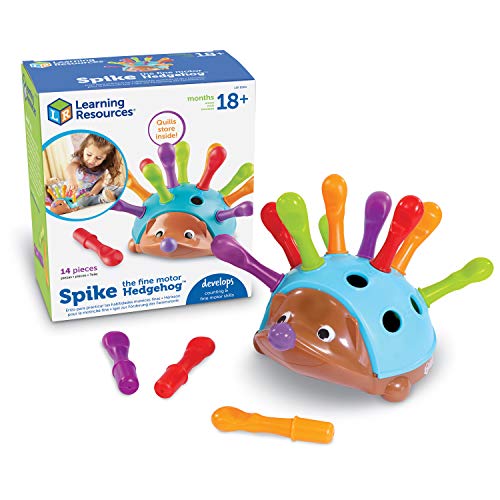
This Montessori-inspired toy focuses on fine motor skills through simple placing and removing actions. The hedgehog’s back stores multiple quills that toddlers manipulate, promoting hand strength and coordination. Its visual appeal and tactile textures help sustain attention, while evolving play supports color, counting, and pattern recognition as children grow. The design emphasizes durability and safety for little hands, making it a long-lasting option for developing toddlers.
Kidoozie Ball Drop Tower

The Whirl ‘n Go Ball Tower offers multi-sensory play with six levels, each dropping balls in different spots to reinforce cause and effect. The included rattling sounds capture attention as balls descend, blending auditory and visual stimulation. This toy encourages problem-solving as children figure out how to get the balls to move, improving fine motor control while offering ongoing entertainment with evolving challenges suitable for early learners.
LeapFrog Learning Friends 100 Words Book
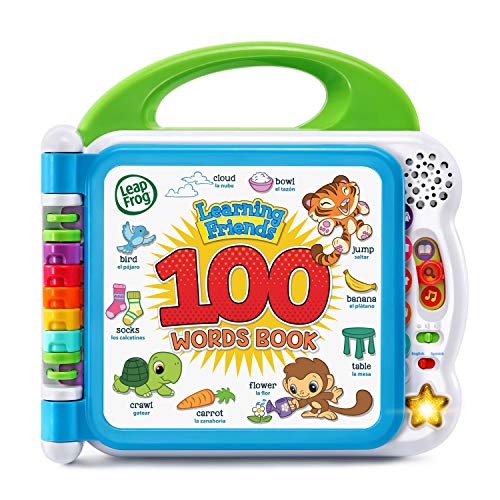
This interactive book introduces more than 100 age-appropriate words through touch-responsive pages. Learning Friends Turtle, Tiger, and Monkey guide kids through vocabulary categories such as pets, animals, colors, and activities. The light-up star button activates the word sounds and a cheerful theme song, fostering auditory recognition and memory alongside visual cues. It’s a developmental-friendly option that blends storytelling with early language learning, suitable for quiet play or travel.
Baby Montessori Sensory Toys

This multi-sensory set uses 12 bright colors and textured silicone balls to stimulate a baby’s senses. A rattle ring, twisting clicking ball, and rotating ball provide tactile curiosity and engagement. The included silicone teether is designed to ease gum discomfort while focusing on safe materials. This Montessori-inspired toy supports grasping and reaching, promoting gross motor development and sensory exploration for 0-18 month-olds, making it a versatile choice for early development stages.
Joyreal Montessori Busy Board

This wooden sensory board features 10 switches and 19 LED bulbs, creating interactive, light-up experiences. The busy board supports dexterity and hand-eye coordination as toddlers manipulate different controls. Its compact, portable design makes it suitable for travel, car rides, and quick play sessions. While it provides quiet entertainment, it also reinforces fine motor skills and cognitive recognition in a non-screen format.
PEBIRA Montessori Sorting & Stacking Toys

PEBIRA’s wooden sorting and stacking set includes 20 pieces across five colors and five shapes, encouraging shape, color, and size differentiation. Toddlers match blocks to targets or create combinations, supporting early geometry understanding and hand-eye coordination. The wooden, smooth-edged design makes it safe for little hands, while the bright colors and varied shapes hold attention during extended play sessions. It’s a durable option for ongoing learning and travel use.
Buying Guide
- Safety first: Look for age-appropriate toys with rounded edges, non-toxic materials, and no small parts that could pose choking hazards for an 18-month-old.
- Motor development: Choose toys that encourage gross motor actions (climbing, sliding, pushing) and fine motor tasks (pinching, stacking, sorting) to support overall coordination.
- Sensory richness: Multi-sensory toys with bright colors, textures, sound, and movement help with focus, exploration, and cognitive growth.
- Open-ended play: Favor toys that allow multiple ways to play rather than fixed tasks, promoting creativity and problem-solving as children grow.
- Durability and ease of cleaning: Toddlers are rough on toys; select sturdy materials that can withstand drops and are easy to wipe down.
- Portability: Travel-friendly toys and compact designs support longer play sessions on the go and reduce screen time.
- Longevity: Consider whether a toy scales with development—many items that suit 18 months will still be engaging at 2-3 years old with more complex play.