Best Toddler Bike for 1 Year Old: Top Balanced Ride-Ons for Little Learners
Choosing the right first bike for a 12- to 24-month-old can help build balance, coordination, and confidence. This guide highlights safe, low-profile balance bikes and 5 popular options from trusted brands. Each product features a non-pedal design, stability wheels, and easy-grip handling to support early riding skills. Read on to compare features, safety considerations, and how to pick the best fit for your toddler’s development and living space.
| Product | Brand | Ages | Key Benefit |
|---|---|---|---|
| SEREED Baby Balance Bike for 1-2 Year Olds | SEREED | 12-24 months | Early walking and riding development with safe, wide wheels |
| Umatoll Colorful Lighting Baby Balance Bike | Umatoll | 12-24 months | Glowing rear wheels for visual engagement and safety |
| SEREED Baby Balance Bike for 1 Year Old Boys/Girls | SEREED | 12-24 months | Sturdy, comfortable design with safety features |
| BEKILOLE Baby Balance Bike for 1 Year Old Girl Gifts | BEKILOLE | 12-24 months | ASTM F963 safety certified with low center of gravity |
| XBONFOE Baby Balance Bike for 1 Year Old | XBONFOE | 10-24 months | Adjustable seat and silent wheels for indoor/outdoor use |
SEREED Baby Balance Bike for 1-2 Year Olds
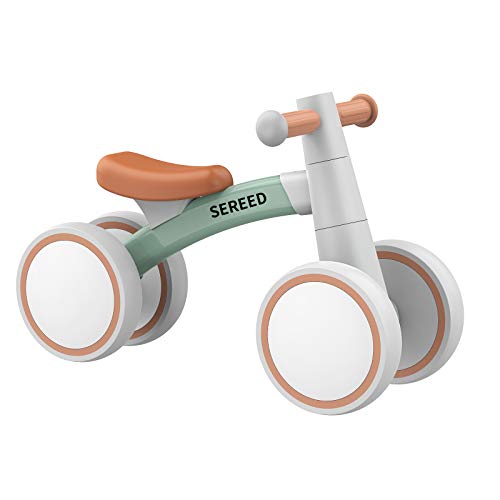
The SEREED balance bike is designed for ages 12-24 months, supporting early walking and riding development. It emphasizes safety with a pedal-free, widened wheelbase to prevent foot clamping and a 135° turning limit that uses gravity steering without lifting the rider off the ground. A sturdy aluminum alloy frame, non-slip TPU handle, and a comfortable seat contribute to a stable ride indoors or outdoors. This model aims to build balance, steering, and confidence at an early age.
Umatoll Colorful Lighting Baby Balance Bike

The Umatoll balance bike uses a 135° steering limiter and fully enclosed wheels to prevent foot clamping. Its standout feature is a glow-in-the-dark rear wheel that activates by spinning, providing visual appeal without batteries. The 3-position adjustable seat accommodates growth from 12 to 24 months, and the TPU handlebar grip helps secure a steady hold during early rides. This model prioritizes safety while adding an engaging light effect.
SEREED Baby Balance Bike for 1 Year Old Boys/Girls

This SEREED model mirrors the first option with a focus on growth and safety for 12-24 month-olds. It emphasizes development of balance, steering, and coordination, aided by a robust aluminum frame and comfortable seat. The no-pedal design and wide wheels reduce risk and facilitate smooth rides on various surfaces, encouraging confidence in new riders as they transition from walking to balance biking.
BEKILOLE Baby Balance Bike

BEKILOLE’s balance bike emphasizes safety with ASTM F963 certification and a low center-of-gravity design, aiding stability for new riders aged 12-24 months. The four-wheel configuration reduces tipping risk, while the enclosed wheels protect little feet. A carbon steel frame, soft EVA handlebar grips, and a cushioned seat contribute to a comfortable, secure riding experience both indoors and outdoors. The design aims for steady progression from walking to balancing.
XBONFOE Baby Balance Bike for 1 Year Old

The XBONFOE balance bike is suited for ages 10-24 months with an adjustable seat to grow with the child. The four-silent-wheel design minimizes floor scratching and reduces noise during indoor rides, while a sturdy aluminum frame and non-slip handlebars provide a secure hold. The soft seat enhances comfort, making early balance practice smoother for toddlers transitioning from walking to riding.
Buying Guide: Key Purchase Considerations
When choosing a first bike for a 1-year-old, consider safety, adjustability, and space. A balance bike with no pedals reduces potential fall injuries and allows the child to focus on balance. Look for a 135° steering limiter and enclosed wheels to prevent foot injuries and side falls. A low center of gravity enhances stability and makes mounting easier for short legs. Materials like aluminum offer light weight and durability, while padded seats and non-slip handles improve comfort and control.
Other factors include: grow-with-child features (adjustable seat height and, if possible, adjustable handlebar height), weight capacity (to accommodate a growing toddler), and surface suitability (indoor vs. outdoor use). Some models include safety certifications, like ASTM F963, which can be an important indicator of compliance with U.S. safety standards. If space is tight, consider models with compact footprints or wheels designed for smooth indoor surfaces. A visually engaging design (colorful wheels or lights) can increase toddler interest and participation in playtime.
Finally, assess maintenance needs and ease of assembly. Simple assemblies with clear instructions reduce setup time for busy parents. Replacement parts availability, such as seats or tires, can extend the life of a balance bike as your child grows. Compare multiple options to balance safety, comfort, growth potential, and price, ensuring the chosen bike supports early motor development while fitting your home environment.