Best Stem Toys for 1 Year Olds That Promote Early Learning
Choosing developmentally appropriate toys for a 1-year-old can boost fine motor skills, sensory exploration, and cognitive development. The following selections emphasize hands-on play, cause-and-effect learning, and safe materials. Each product is beginner-friendly and designed to grow with a child’s curiosity during the first years of discovery. The list focuses on tactile textures, simple cause-and-effect actions, and bright colors to encourage engagement and safe exploration.
Summary of chosen products
| Product | Brand | Key Benefit |
|---|---|---|
| LeapFrog Learning Friends 100 Words Book | LeapFrog | Auditory word exposure and interactive pages |
| Infantino Press & Stay Sensory Blocks | Infantino | Textured blocks with high-contrast colors for tactile play |
| Iabedi Busy Board, V2 | Iabedi | Fine motor practice with switches and LED lights |
| Kidoozie Ball Drop Tower | Kidoozie | Cause-and-effect play with rolling balls and sounds |
| Learning Resources Spike The Fine Motor Hedgehog | Learning Resources | Fine motor and sensory-rich manipulation |
LeapFrog Learning Friends 100 Words Book
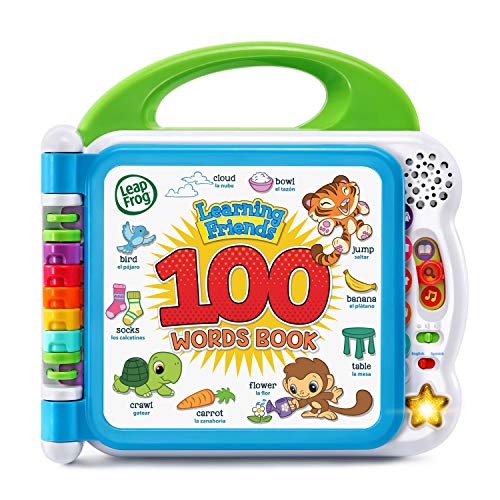
The LeapFrog Learning Friends 100 Words Book introduces more than 100 age-appropriate words selected by learning experts. Word categories cover pets, animals, food, mealtime, colors, activities, opposites, and outdoor topics, offering a broad early vocabulary landscape. When a child taps a word on the page, the device plays the word, relevant sound effects, and a quick fact, reinforcing language connections. The light-up star button enables playback of the Learning Friends theme song and a favorite word, encouraging repeat interaction. This tactile, book-like toy supports early literacy and auditory development in a familiar storytelling format.
Designed for tiny hands, the book encourages fine motor precision through page turning and targeted tapping. Parents can use the interactive prompts to practice word recognition, color naming, and animal sounds, reinforcing cognitive associations. The combination of visuals, sounds, and movement creates a multisensory experience that aligns with common early childhood education goals. If you’re building a toddler’s language foundation, this toy provides a structured, engaging route to daily literacy routines.
The product emphasizes safe, kid-friendly materials and a compact form factor ideal for travel or quiet play. It can be introduced as part of a daily routine, reading time, or sensory play. While it is language-focused, the interactive elements also support listening skills, memory, and word retrieval—key early literacy competencies for one-year-olds beginning to explore sounds and meanings.
Infantino Press & Stay Sensory Blocks

Infantino’s Press & Stay Sensory Blocks come in a 24-piece multicolor set designed for easy grasping and stacking. The blocks are made from ABS plastic for straightforward cleaning, making them suitable for daily use with toddlers. The high-contrast colors and varied textures encourage visual tracking and tactile exploration, fostering sensory integration and early motor planning. The blocks snap together and pull apart easily, supporting problem-solving and hand-eye coordination as little ones experiment with cause-and-effect within a safe, chewable material framework.
Young children benefit from repetitive play, and these blocks invite endless practice with stacking, sorting, and knocking down structures. The bright colors help teach color recognition while the different textures offer tactile feedback during exploration. While not a toy for complex narratives, the blocks provide a versatile platform for open-ended play that evolves with a child’s growing skills—from basic grasping to more deliberate manipulation and creative building.
Safety is a priority, with rounded edges and durable construction designed to withstand typical toddler handling. The simplicity of the design reduces frustration and increases engagement, making it a reliable option for quiet time, sensory play, or early STEM-inspired activities around early childhood education concepts such as balance, symmetry, and spatial awareness.
Iabedi Busy Board V2

The Iabedi Busy Board offers an elaborate design tailored to young children who enjoy interactive switches and LED lights. The board includes 10 separate switches, each linked to a distinct color or LED style. A master switch turns all lights off with a single click to conserve battery power. The board’s engaging layout supports color and size recognition, while the tactile switches promote fine motor practice and problem-solving as children explore cause-and-effect relationships in a safe, contained space.
Intended for travel and home use, the Busy Board’s compact footprint makes it easy to take on vehicles, airplanes, or in the car. It’s an ideal developmental tool for early engineers who enjoy sensory feedback, lights, and interactive play. Beginners can focus on turning on lights, while more advanced exploration can involve sequencing colors, comparing sizes, and following simple patterns as the child grows.
Parents should note the need for batteries (two AAA) prior to use. The design’s emphasis on independent exploration supports self-directed learning while offering shared moments for caregivers to guide language and cognitive development through open-ended questions and observation.
Kidoozie Ball Drop Tower

The Kidoozie Ball Drop Tower features six levels where balls travel along ramps to different drop points. This layout creates a dynamic cause-and-effect experience that is engaging for toddlers as they watch the ball’s path. The vibrantly colored components and gentle sounds keep a child’s attention, encouraging repeated play. The tower supports early motor skills through grasping, releasing, and manipulating pieces as little ones figure out how to guide the balls through the levels.
Educational benefits extend to color recognition, sequencing, and hand-eye coordination as children anticipate where each ball will land. The rattle-like noises add an additional layer of sensory feedback, which can help maintain engagement during longer play sessions. The toy’s sturdy, child-friendly construction ensures safe use during exploration and pretend play, making it a reliable option for developing fine motor control and early spatial awareness.
As a portable option, this toy is suitable for home use and on-the-go play. It’s a solid pick for families seeking a toy that couples visual appeal with tangible action and immediate feedback, supporting curiosity and independent experimentation in a structured setting.
Learning Resources Spike The Fine Motor Hedgehog
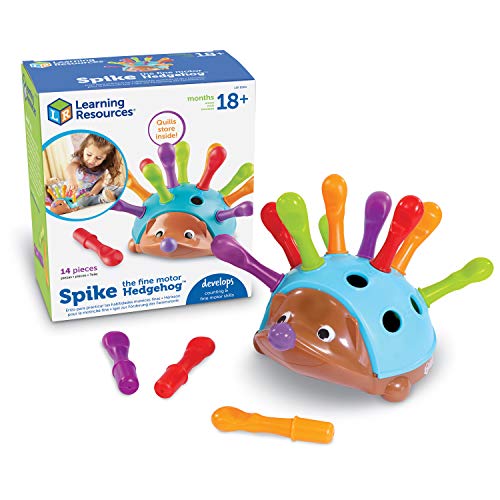
Spike The Fine Motor Hedgehog is designed to strengthen fine motor skills through color recognition, matching, and sorting. The hedgehog’s quills act as removable pieces that children can insert and remove, fostering hand strength and dexterity. The toy grows with the child, offering opportunities for color sorting, counting, and pattern recognition as they age into preschool stages.
As a Montessori-inspired activity, Spike emphasizes independent exploration while encouraging guided play through naming colors, shapes, and object identity. The tactile quills provide sensory feedback that supports focus and concentration, making it a versatile option for quiet activities, learning centers, or home playrooms. Its simple mechanics help caregivers introduce basic math concepts and early logic skills through hands-on manipulation.
Durable construction and child-safe materials make Spike a dependable choice for daily use. It’s particularly suitable for visits to the car, living room, or classroom corners where children can practice fine motor tasks and sensory exploration without supervision fatigue.
Buying Guide: Key Purchase Considerations
- Age appropriateness and safety: Ensure parts are large enough to avoid choking hazards and materials are non-toxic and durable for daily use.
- Skill development focus: Look for toys that emphasize fine motor development, sensory exploration, language exposure, or problem-solving. A mix supports well-rounded growth.
- Texture, color, and sound: A balance of tactile textures, bright colors, and gentle sounds helps multisensory learning and sustained engagement.
- Portability and setup: For families on the go, choose compact toys with simple setup and easy cleaning.
- Maintenance needs: Consider battery requirements, cleaning ease, and long-term durability when selecting toys for toddlers.
- Growth potential: Opt for toys that introduce new concepts as the child develops (e.g., from basic grasping to sorting or sequencing).
- Safety standards: Check for certifications or manufacturer safety statements and inspect for sharp edges or small detachable parts.
While each toy targets early STEM-inspired play, parents should combine items to cover language, math, and motor skills. Rotating toys every few weeks can maintain interest and maximize learning opportunities as a child approaches ages 1 and 2. Always supervise initial use and adapt play prompts to suit the child’s individual pace and curiosity.