Best Remote Control Airplanes for Kids: Top Picks for Easy, Fun Flying
Finding a kid-friendly RC plane that’s easy to learn, durable, and entertaining is key for budding pilots. The following five models offer stable flight, beginner-friendly controls, and cool features like LED lighting and multiple takeoff modes. Each option is designed to maximize safety and fun for new flyers while providing lasting value for growing skill levels. Below, you’ll find concise overviews, what makes each stand out, and practical buying considerations to help you choose the best fit for a child or a family drone day.
Product Overview
The table below summarizes the five selected kid-friendly RC planes, highlighting brand, standout features, and primary appeal for beginners and families.
| Product | Brand | Key Features | Why It’s Good For Kids |
|---|---|---|---|
| TOIBUS RC Plane | TOIBUS | F-22 look, 2 batteries, 2 takeoff modes, 6 gyro stabilization, LED lights, 320–400 ft range | Durable foam build with beginner-friendly balance and extended playtime |
| Remote Control Airplane RC Plane 6-axis Gyro | dosumik | 6-axis gyro, stable hovering, 2.4 GHz anti-interference remote, 50 m range | Simple, stable control suitable for first flights and family races |
| Tubokoro RC Planes for Kids | Tubokoro | LED night lights, multiple stunts, four-direction 360° flips, headless mode | Excellent for outdoor evening flights and creative stunt play |
| 4DRC Foam RC Plane (V32) | 4DRC | 360° flips, LED lights, multiple speed modes, no-assembly launch | High-action features with straightforward operation |
| JoyRapt Drones for Kids RC Plane | JoyRapt | LED lights, 360° flips, two rechargeable batteries, simple use | Balanced mix of visuals, durability, and easy control |
TOIBUS RC Plane
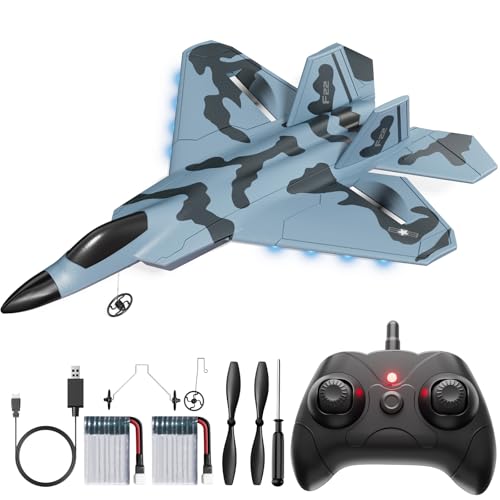
The TOIBUS F-22 inspired RC plane emphasizes a lightweight EPP foam body that resists dings during learning sessions. Bright LED lights provide nighttime visibility and excitement, while two rechargeable batteries extend flight time to up to 30 minutes total (15 minutes per battery). A robust 6-gyro stabilization system helps maintain balance, making the aircraft forgiving for beginners and younger pilots. It supports both ground takeoff and hand-throw takeoff, broadening how kids can start the flight. The plane’s advertised range of 320–400 feet gives room for straightforward practice sessions and family outdoor flying days. This model favors a gentle onboarding experience with reliable stability and visual appeal.
Design notes include a focus on easy control and safe operation, essential for kids under 12 learning to interpret throttle and pitch. The dual-battery approach reduces downtime between flights, a practical advantage for family use. Care should be taken to supervise initial flights to ensure proper velco-less handling, and to keep a soft surface nearby for soft landings. For younger pilots who enjoy dynamic visuals and a fighter-jet aesthetic, the TOIBUS plane offers both style and stability in a compact, beginner-friendly package.
dosumik Remote Control Airplane
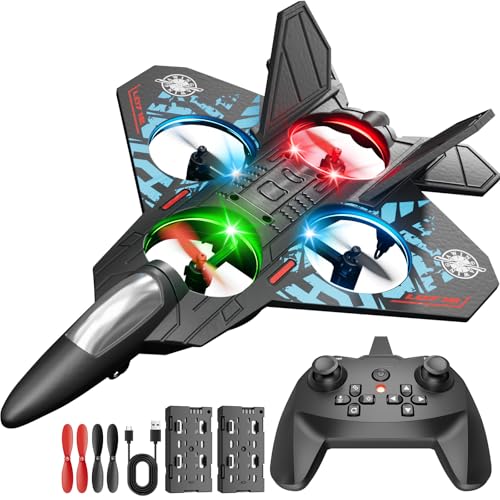
The dosumik RC plane focuses on stable hovering and beginner-friendly operation, driven by a 6-axis gyro stabilization system. The 2.4 GHz remote control delivers solid anti-interference performance, with a flight range around 50 meters. This setup is well-suited for family use where multiple planes might be flown in a shared space, reducing signal conflicts. The model caters to young flyers and casual enthusiasts who want predictable, smooth control and simple execution of basic maneuvers like gentle turns and level flights. The design emphasizes dependable performance in a compact, kid-friendly package.
Key strengths include an approachable control experience and repeatable hover behavior, which can help new pilots gain confidence. For parents seeking a low-friction entry point, the dosumik plane offers a balance of stability and responsive control. Potential drawbacks could involve the upper limit of the control range in open spaces and the need for occasional calibration after rough landings. Overall, it’s a capable option for beginners who want to practice fundamental piloting skills with minimal complexity.
Tubokoro RC Planes for Kids
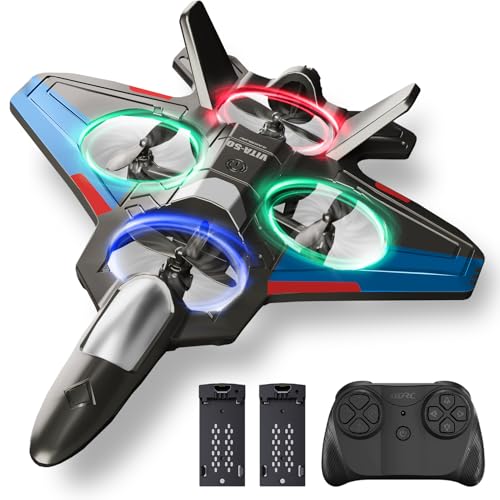
Tubokoro’s RC planes blend stunt capability with beginner-friendly features. The aircraft offers LED night lighting for dusk or dawn flights and a versatile control scheme that includes headless mode, altitude hold, and one-key takeoff/landing. With 360° flips and four-direction maneuvering, this model appeals to kids and teens seeking more dynamic play beyond basic forward flight. The 2.4 GHz remote provides anti-interference performance, and the crash-resistant EPP foam body helps survive inevitable learning mishaps. The combination of multiple stunt options and a forgiving design makes Tubokoro a strong option for family afternoons and park-based flying sessions.
Considerations include the importance of a clear takeoff and landing area to maximize the effectiveness of altitude hold and stabilization features. While the LED lighting adds visual flair, it also increases the plane’s nighttime appeal, encouraging extended playtime. For families seeking a balance of performance and resilience, Tubokoro provides substantial value with a robust build and engaging flight dynamics.
4DRC V32 Foam RC Plane

The 4DRC V32 is inspired by classic jet fighters, offering 360° flipping, LED lighting, and a straightforward launch experience with no assembly required. It includes two batteries, extending flight time and reducing downtime between flights. The plane features multiple speed settings and a gyroscope-assisted stabilization system designed to help beginners maintain control during takeoff, flight, and landing. With a 150-meter flight range stated in its description, this model provides ample space for practicing controlled navigation and basic aerobatics in open outdoor areas.
From a safety perspective, the foam construction minimizes impact forces during crashes, a common occurrence with new pilots. The V32 is well-suited for families who want more action-packed flights while still focusing on approachable handling. Potential downsides could include the need for a larger flying area to fully exploit the agility and aerial tricks. Nevertheless, it remains a compelling option for kids ready to push basic limits and enjoy dynamic flight features.
JoyRapt RC Plane

JoyRapt’s RC Plane emphasizes user-friendly operation with a straightforward control scheme and 360° flips. The kit includes two rechargeable batteries, enabling extended play sessions and easier rotation of flights between charges. LED lighting enhances visibility and adds a visual wow factor during evening play. This option is suitable for families who want a reliable, low-barrier introduction to aerial play and basic stunt practice, while still letting kids enjoy more advanced maneuvers as confidence builds.
From a usage perspective, JoyRapt balances simplicity and fun. The two-battery model minimizes downtime, and the inclusion of LED lighting creates an engaging nighttime flight experience. For younger pilots or first-timers, this plane provides a gentle learning curve, with the potential to advance to more complex tricks as familiarity and control improve.
Buying Guide: Key Purchase Considerations
When selecting a remote control airplane for kids, several factors can influence long-term satisfaction and safety. Consider these perspectives to compare options effectively.
- Skill level and age suitability: Choose planes with stabilization systems (gyro) and beginner modes like headless or altitude hold to simplify initial flights.
- Durability and materials: EPP foam and crash-tolerant design reduce damage from inevitable bumps and crashes, extending playtime and saving replacement costs.
- Flight time and charging: Look for models with dual batteries or extended battery life to minimize downtime between flights, especially for younger kids.
- Controls and range: A reliable 2.4 GHz remote with ample range offers flexibility for outdoor use and family-friendly races, while ensuring compatibility if more than one plane is flown nearby.
- Lights and visuals: LEDs improve nighttime visibility and add excitement, but ensure lighting does not compromise the plane’s balance or aerodynamics.
- Setup and maintenance: Favor no-assembly launch options for younger pilots and easy-to-clean surfaces for outdoor use. Regular calibration checks can help maintain stable flight.
- Learning curve vs. performance: Decide whether the priority is simple, forgiving flights or the potential for advanced stunts and aerobatics as skills grow.
- Safety considerations: Always fly in open spaces with proper supervision, away from crowds, and avoid high-traffic areas or delicate surroundings.
In sum, the best choice depends on the child’s current skills, interest in stunts versus steady flights, and how often the model will be used outdoors. For families new to RC airplanes, starting with a plane that offers stable hovering, gentle takeoffs, and extended flight time is often the most practical approach. As confidence and competence grow, exploring models with more dynamic flight features becomes a natural next step.