Best Play Kitchens for a Year-Old: Engaging, Safe Pretend Play Sets
Choosing a play kitchen for a 1-year-old focuses on safety, simple interactive elements, and durable design that supports exploration and early role play. This guide features five engaging options that balance imagination with age-appropriate features, helping toddlers develop motor skills, language, and social play. Each selection emphasizes sturdy construction, easy-clean surfaces, and inviting functions to spark curiosity during everyday pretend cooking moments.
| Product | Brand | Key Feature | Age Range |
|---|---|---|---|
| Kids Children Pretend Toy Kitchen Playset | Touch Us | Wooden design with lights; doors open; includes utensils | 3-8 |
| Kids Kitchen Playset-53pcs | Zaddgiuuy | Realistic lights, running water sink, oven, variety of accessories | 1-3 |
| Fisher-Price Laugh & Learn Kitchen | Fisher-Price | Music, bilingual learning, 75+ songs, multiple play modes | 6+ Months |
| Step2 Best Chefs Kitchen Playset | Step2 | Interactive features, lights, sounds, 25 accessories | 2+ Years |
| Tiny Land Wooden Play Kitchen | Tiny Land | Wooden stove, lights, sounds, 18 accessories | 3+ |
Kids Children Pretend Toy Kitchen Playset With Lights

Features: Simulated wooden kitchen design with lights; doors for oven, cabinet, freezer, and refrigerator open and close. Comes with a variety of realistic utensils to support immersive pretend play. Encourages role-playing, problem-solving, and language development through hands-on activities. Ample storage helps establish tidy-up habits in toddlers ages 3-8.
Kids Kitchen Playset-53pcs with Realistic Lights

Features: Realistic stove lights and sounds; running water in the sink for washing play foods and dishes. Includes a variety of functional kitchen pieces (sink, stove, oven, coffee machine) and accessories. Stick-on stickers enhance realism. Designed to foster imaginative play and practical skills in early preschoolers.
Fisher-Price Laugh & Learn Kitchen Playset

Features: Interactive play settings including Learning, Bilingual, Music, and Imagination. More than 75 songs, tunes, sounds, and phrases teach letters, numbers, colors, and shapes. Doors, a roll/slide bar, and other features introduce cause-and-effect and language skills during pretend cooking.
Step2 Best Chefs Kitchen Playset
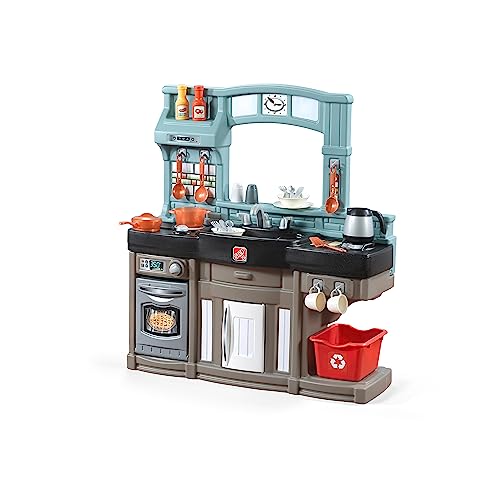
Features: Open design with interactive oven and refrigerator doors, pass-through window, and a pretend stove with lights and sounds. Includes 25 accessories. Easy to store with hooks and shelves; designed for durable, engaging play in small or larger play spaces for toddlers age 2 and up.
Tiny Land Wooden Play Kitchen

Features: Eco-friendly wooden construction with non-toxic materials; includes lights and sounds via easy button controls. Compact size makes it suitable for smaller spaces. Comes with a chef hat and apron plus several accessories; the stove, range hood, oven, and sink offer a complete play kitchen experience for imaginative cooking.
Buying Guide: Key Purchase Considerations
- Age and safety: Look for age-appropriate sets with rounded edges, BPA-free materials, and non-toxic finishes. Ensure small parts are kept away from very young toddlers to reduce choking risk.
- Durability and materials: Wooden kitchens tend to endure heavy play, while sturdy plastics offer lighter weight and easier cleanup. Consider the balance between durability and the size of your play space.
- Interactive features: Light and sound effects add realism, but ensure volume controls and durable buttons survive frequent use. Simple doors and a few accessible features are ideal for 1-year-olds.
- Storage and organization: Built-in shelves or hooks help teach tidying up. Easy-access storage supports independent cleanup, a key skill for toddlers.
- Size and space: Measure available floor space. Some sets are compact for apartments; others are larger and designed for open play areas.
- Theme variety: Consider whether your child prefers wood, pastel plastics, or bright colors. A consistent theme can encourage longer engagement.
- Care and maintenance: Check cleaning recommendations. Wooden pieces may require wipe-downs and occasional oiling, while plastic surfaces typically wipe clean easily.
- Expansion potential: Some sets include many accessories, while others allow you to add compatible items later. Look for sets that integrate with other play kitchen components if you plan to expand.