Best Mini Microscope for Kids: Fun, Portable Learning Tools for Young Scientists
Discover compact, kid-friendly microscopes that spark curiosity and support hands-on science. This guide highlights five top picks for children ages 3–12, focusing on portability, easy operation, built-in lighting, and the ability to capture and review discoveries. Each option offers features tailored to beginner scientists, helping kids observe plant cells, insects, and textures up close while sharing findings with friends and teachers.
| Product | Brand | Magnification / Capabilities | Notes |
|---|---|---|---|
| Ashfly Kids Microscope – 1000X Portable | Ashfly | 1000X, 2″ IPS screen | Built-in storage for photos, LED options |
| WINWEND Kids Pocket Microscope | WINWEND | 1000X magnification, 2″ screen | 8 LED lights, 400-photo storage |
| BEBANG 1000X Handheld Microscope | BEBANG | 1000X, 2″ screen | Rechargeable, portable, lightweight |
| Carson MicroBrite Plus 60x-120x | Carson | 60x–120x optical | Compact, classroom-friendly |
| GOLRISEN Mini Microscope 60x-200x | GOLRISEN | 60x–200x | Ergonomic, bright LEDs |
Below are five leading mini microscopes designed for kids, with brief details to help you compare features like magnification range, lighting, storage, and portability. Each option is suitable for curious kiddos who love exploring the tiny world around them.
Ashfly Kids Microscope – 1000X Portable
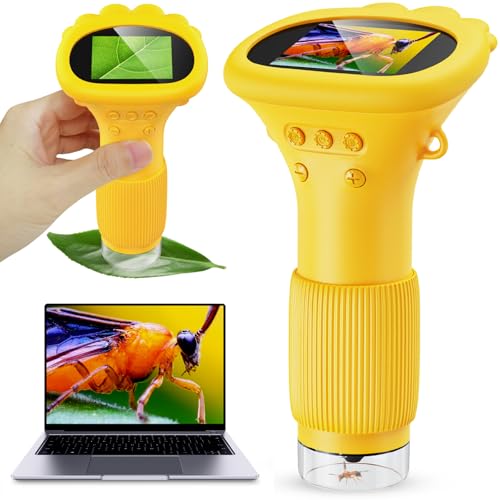
The Ashfly portable digital microscope features a 2-inch high-definition viewing screen that delivers vibrant colors for clear observation. It includes three-level adjustable LED lighting to adapt to different environments, helping kids achieve optimal results whether indoors or outdoors. A notable benefit is its large storage capacity, supporting up to 400 photos without needing an external TF card, making it easy for children to save and share discoveries with family or teachers.
WINWEND Kids Pocket Microscope

The WINWEND mini microscope emphasizes built-in storage with capacity for 400 photos and supports video via a personal storage card. Its 1000X magnification, complemented by eight LED lights and six brightness levels, provides versatility for a wide range of subjects. The device is designed to help children explore plants, insects, coins, and more while maintaining clear visibility even in dim lighting.
Ashfly Mini Pocket Handheld Microscope (Purple)

This Ashfly model combines a 2-inch IPS digital viewing screen with 1080P HD imaging for real-time observation. It supports up to 200x magnification and quick focus, making it suitable for ages 5–12. The dual-lens design adds a four-times zoom option and a physical magnifying glass side for quick, hands-on viewing of nearby objects, such as leaves, textures, or tiny insects.
BEBANG 1000X Handheld Microscope

The BEBANG model offers 200x–1000x magnification with a compact, portable form factor. It is rechargeable, enabling about 2.5 hours of continuous use after a full charge. The device is designed for easy handling by kids, featuring a slim body and a lightweight build that fits into a pocket or bag for on-the-go exploration.
Carson MicroBrite Plus 60x-120x

The MicroBrite Plus provides 60x–120x optical magnification with dependable LED illumination. It is highly portable, making it a practical choice for classroom demonstrations or on-the-go science explorations. Its compact design supports easy grasping by children and quick setup in learning environments.
GOLRISEN Mini Microscope 60x-200x
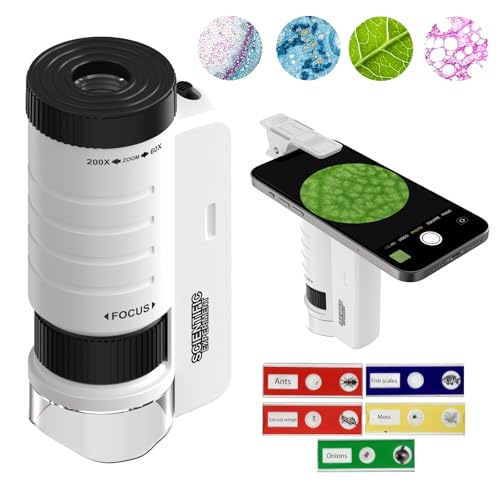
The GOLRISEN mini microscope is designed with an ergonomic form for small hands. It offers 60x–200x magnification and bright LED lighting, enabling clear viewing of plant cells, leaf textures, and other small structures. The device emphasizes ease of use and durability for frequent handling by kids, both indoors and outdoors.
Buying Guide: Key Considerations For Choosing A Kid-Friendly Mini Microscope
- Magnification range: Look for models offering a practical range (commonly 60x–1000x). Higher magnification is useful, but ensure the device remains easy for young users to focus and understand.
- Digital vs. optical: Digital screens simplify viewing and allow photo capture. Optical scopes often deliver brighter, more traditional views but may require separate recording methods.
- Lighting: Built-in LED illumination is essential for viewing small specimens. Multiple brightness levels help in varying lighting conditions and reduce eye strain.
- Storage and data capture: Consider devices with onboard storage (photos) and optional memory cards for longer investigations. USB or computer connectivity can enable bigger displays during classroom demos.
- Portability and build: Lightweight, compact designs with protective casings suit kids for travel and school use. Look for durable plastics and shock resistance for rough handling.
- Power source: Rechargeable batteries add convenience for flexible use away from outlets. Check battery life to match typical learning sessions.
- Safety and age suitability: Choose devices designed with child-safe materials, rounded edges, and simple controls appropriate for the child’s age. Parental supervision may be beneficial for younger explorers.
- Educational value: Models that pair with STEM activities, science kits, or lesson plans can enhance learning outcomes, especially for classroom or homeschooling settings.
- Ease of use: Intuitive controls, clear focus mechanisms, and straightforward assembly help minimize frustration and maximize early success in observation skills.
- Maintenance: Consider how easy it is to clean lenses, change batteries, or update firmware (if applicable).