Best Engineering Kits for Kids: Hands-on STEM Fun That Builds Skills
Exploring engineering through hands-on kits helps kids grasp core STEM concepts while staying engaged and inspired. This article highlights five top engineering kits for kids, spanning electronics, hydraulics, structural engineering, robotics, and solar power. Each section includes a quick reference and practical features to help caregivers choose the right fit for a child’s age and interests. A summary table and a buyer’s guide follow to support informed decisions.
| Product | Brand | Key Focus |
|---|---|---|
| Snap Circuits Jr. SC-100 | Snap Circuits | Electronics basics, 100+ projects |
| Teach Tech Hydrobot Arm | TEACH TECH | Hydraulics, robotics, mechanical engineering |
| Snap Circuits Classic SC-300 | Snap Circuits | Over 300 projects, extensive electronics concepts |
| Thames & Kosmos Bridges & Skyscrapers | Thames & Kosmos | Structural engineering, load and tension |
| Sillbird Solar Robot Kit | Sillbird | Solar-powered robotics, renewable energy |
Snap Circuits Jr. SC-100: Beginner Electronics Kit

The Snap Circuits Jr. SC-100 introduces young learners to electrical engineering fundamentals through safe, snap-together components. With 100+ projects and a full-color project manual, children explore circuits, sound, light, and motion in an accessible format. The kit emphasizes hands-on experimentation, reinforcing critical thinking as kids design and test working gadgets. The included 29 parts and the organized layout make it easy to start with entry-level projects and gradually advance to more complex builds.
Key features supporting learning outcomes:
– Safe, beginner-friendly components suitable for ages 8+
– Wide array of projects to illustrate circuits and basic electronics
– Colorful manual encouraging independent exploration
– Compatibility with other Snap Circuits sets for expanded play
Teach Tech Hydrobot Arm Kit

The Hydrobot Arm Kit introduces hydraulic engineering concepts through a build-and-test workflow. Geared toward ages 12+, the kit guides learners through constructing a real robot arm that moves with hydraulic power, rotating up to 270 degrees. No batteries are required, emphasizing mechanical efficiency and control via levers. The included components enable hands-on exploration of motion, force, and grasping mechanisms, making it a strong choice for budding mechanical engineers.
Key features supporting learning outcomes:
– Real working robot arm powered by hydraulics
– 6 axes of movement with wide rotation for functional demos
– Lever-controlled gripper (and potential to swap in suction components)
– Clear instructions that align with middle school STEM concepts
Snap Circuits Classic SC-300: Expanded Electronics Kit
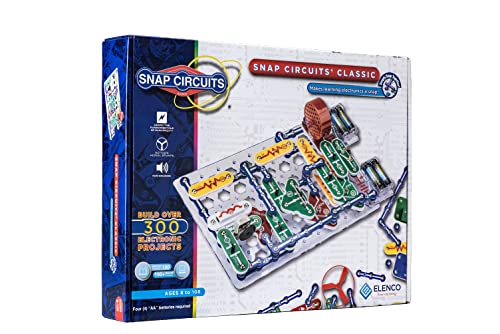
The Classic SC-300 builds on the basics with a broader set of projects and a larger parts assortment, enabling over 300 possible projects. Ideal for older children or those who want deeper exploration of electronics, this kit covers tasks such as radios, burglar alarms, doorbells, and play-compatible circuits. The sturdy design and comprehensive manual support sustained engagement and long-term skill development in circuitry and troubleshooting.
Key features supporting learning outcomes:
– Large project library for extensive experimentation
– 60+ pieces that enable diverse, practical electronics builds
– Opportunities for collaborative play and sharing projects
– Compatibility with other Snap Circuits kits for scalable learning
Thames & Kosmos Bridges & Skyscrapers: Structural Engineering

Thames & Kosmos Bridges & Skyscrapers focuses on structural engineering concepts through hands-on model building. Learners explore force, load, compression, and tension while assembling 20 different models from over 285 pieces. The included illustrated experiment manual guides the process and deepens understanding of how structures withstand stress. This kit is well-suited for learners who enjoy architectural challenges and want to visualize engineering principles in three dimensions.
Key features supporting learning outcomes:
– Multiple models demonstrating fundamental structural concepts
– Large collection of interchangeable building pieces
– Clear manual with step-by-step assembly and explanations
– Encourages problem-solving and spatial reasoning
Sillbird Solar Robot Kit: Solar-Powered STEM Toy

The Sillbird Solar Robot Kit introduces renewable energy concepts through a solar-powered robotics build. Learners can switch to artificial light when outdoor sun is insufficient, ensuring extended play and experimentation. The kit emphasizes hands-on design, assembly, and testing of robots powered by solar cells, cultivating an understanding of energy conversion and sustainability while fostering problem-solving and engineering curiosity.
Key features supporting learning outcomes:
– Solar-powered robotics with outdoor and indoor play options
– Hands-on assembly that reinforces energy conversion concepts
– Optional continuous play through indoor light sources
– Encourages exploration of renewable energy and engineering basics
Buying Guide: Key Purchase Considerations
- Age and safety: Choose kits with age recommendations aligned to the child’s maturity and dexterity. Look for pieces that are easy to assemble and non-toxic.
- Core concepts: Identify the primary learning goals—electronics, hydraulics, structural engineering, or renewable energy—and select a kit that emphasizes those areas.
- Project breadth: Kits with large project libraries or multiple models offer extended engagement and learning pathways, especially for curious learners.
- Expansion potential: Some kits are modular and compatible with other sets, enabling scalable learning as skills grow.
- Hands-on vs. theory balance: The most effective kits blend practical building with clear explanations of concepts, diagrams, and challenges that build problem-solving.
- Materials and durability: Reusable components and sturdy construction support long-term use and multiple projects across sessions.
- Environment and sustainability: Solar-powered and hydraulics-based kits introduce energy concepts that align with sustainability goals and real-world applications.
- Budget and value: Consider the total number of projects and age range to gauge long-term value, especially when comparing high-project-count sets.
- Learning style fit: Visual learners benefit from colorful manuals and diagrams; hands-on learners prefer kits with intuitive assembly and immediate results.
- Safety and supervision: Some projects may require parental help or oversight, especially for younger children or intricate builds.
Across these selections, each kit provides a distinct angle on engineering education—from electronics exploration and hydraulic robotics to structural design and solar power. Caregivers can tailor choices to a child’s interests, whether they lean toward tinkering with circuits, constructing sturdy models, or building autonomous devices. By combining a foundational kit with occasional expansion sets, families can sustain curiosity and reinforce engineering skills over time.