Best Electronic Toys for 9-Year-Olds: Top Picks for Fun and Learning
Choosing the right electronic toy for a nine-year-old involves balancing entertainment with skill-building. The following selections offer interactive play, problem-solving, and hands-on experimentation. Each product below is curated for curious minds that enjoy memory challenges, STEM concepts, and creative play. Explore five reliable options that pair engaging features with safe, age-appropriate design.
The table below summarizes the five highlighted products, including their brand and primary focus areas to help you compare at a glance.
| Product | Brand | Key Focus | Featured Benefit |
|---|---|---|---|
| Xinbeiya | Speed challenges and memory play to boost focus | ||
| Wiszodet | 24 games, camera, video, and interactive features | ||
| PlayRoute | Five light-up games to improve recall and concentration | ||
| Smartivity | 100% screen-free construction and mechanical play | ||
| Imagineers | Lights, sounds, solo and multiplayer play |
Each option supports different aspects of development, from quick reflexes and rapid decision-making to planning, spatial awareness, and collaborative play. Whether you’re shopping for a birthday surprise, holiday gift, or a curious explorer, these picks offer practical, engaging experiences for nine-year-olds.
Xinbeiya Rechargeable Game Handheld Cube

The Xinbeiya handheld cube combines multiple play modes to keep kids engaged. It features three speed games, three memory games, and two creativity games designed to sharpen concentration, reaction time, and problem-solving. The device supports solo play and competitive modes, offering flexible ways to challenge oneself or friends. Its compact design makes it a portable option for travel or family time, and it serves as a STEM-friendly toy by promoting logical thinking through timed challenges.
Wiszodet Kids Smart Game Watch

Wiszodet’s kid-friendly smart watch serves as a compact multimedia hub. With 1.54-inch display, camera, 24 games, music playback, a pedometer, flashlight, and alarm, it blends entertainment with practical features. The device also offers self-portrait capabilities and wallpaper customization, encouraging creative expression. The 12/24-hour time formats and adjustable volume accommodate varied schedules, while the broad game selection supports cognitive skills, hand-eye coordination, and quick decision-making in a familiar wearable format.
PlayRoute Electronic Brain & Memory Game Cube
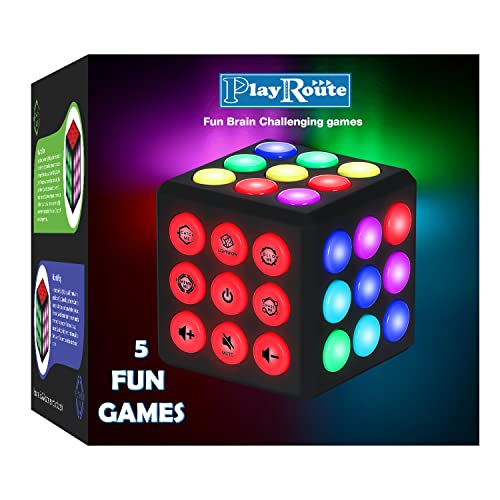
The PlayRoute Light Up Cube focuses on memory and concentration with five distinct games. Its portable design makes it ideal for travel or quick play sessions. The combination of light-up cues and memory challenges helps kids develop recall and pattern recognition in an engaging, screen-free format. The cube’s quick rounds keep attention spans intact while providing a social play element—easy for friends to join in during gatherings or road trips.
Smartivity DIY Pinball Machine

Smartivity’s DIY Pinball Machine is a hands-on engineering experience that emphasizes STEM concepts while remaining highly engaging. The kit guides kids through building a mechanical arcade-style game, promoting problem-solving, planning, and an understanding of physical principles such as momentum and energy transfer. The design supports a broad age range and includes components designed for longevity, with replacement parts provided to extend playtime beyond the initial build.
Imagineers Memory Game for Kids

This memory-focused game uses lights and sounds to create an engaging sequence-learning challenge. It supports both solo and multiplayer modes, which makes it suitable for family game nights or classroom-style settings. Players watch cues, memorize patterns, and repeat the sequence, gradually progressing to more complex challenges. The portable design ensures it travels well for road trips, sleepovers, and everyday practice outside of structured activities.
Buying Guide: Key Purchase Considerations
When selecting electronic toys for nine-year-olds, consider the following perspectives to ensure a suitable and safe choice:
- Age-appropriateness: Look for toys clearly labeled for ages 8-12 or 6-12 with a focus on cognitive development, fine motor skills, and safety features.
- Learning value: Prioritize products that encourage problem-solving, memory, spatial awareness, and STEM concepts rather than simple consumables.
- Screen time balance: Favor options that minimize screen exposure or incorporate non-screen activities to promote varied play styles.
- Durability and safety: Check build quality, non-toxic materials, and age-appropriate small parts to prevent risk during play.
- Portability: Consider compact designs for travel or quick play sessions at home, school, or on the go.
- Replayability: Some toys offer multiple modes or levels to keep older kids engaged as skills grow.
- Social play: Items that support cooperative or competitive play with peers can boost social development.
- Parts and support: Ensure availability of replacement parts or easy assembly instructions to minimize downtime.
In evaluating the five selections, you’ll notice a spectrum from highly technical STEM builds to cognitive exercise toys. For families prioritizing hands-on engineering and long-term value, Smartivity’s Pinball Machine provides durable construction and a strong learning framework. For quick, portable mental workouts, memory-focused cubes and watches offer repeatable challenges without a screen dependency. The Wiszodet smart watch blends multimedia features with interactive games, catering to kids who enjoy gadgets alongside learning tasks. The Imagineers Memory Game adds room for solo or group play, fostering social interaction and memory training. The Xinbeiya cube balances speed and memory challenges in a compact form factor, ideal for short bursts of engaging play.