Best Electric Scooters for 13-Year-Old Riders: Safe, Fun Picks for School and Weekend Fun
Finding the right electric scooter for a tween involves balancing safety, ease of use, and fun. Below are five kid- and teen-friendly options that offer adjustable speeds, reliable brakes, and sturdy builds suitable for ages around 13. Each model emphasizes user-friendly controls, age-appropriate performance, and practical features like folding designs and mobile app control. Use the buying guide at the end to compare key considerations and make an informed choice for growing riders.
| Product | Brand | Top Speed | Estimated Range |
|---|---|---|---|
| Segway Ninebot eKickScooter C2 Lite | Segway | 9.9 mph | Up to 8 miles |
| Electric Scooter For Kids, 150W (escoone) | escoone | 6/10 mph | Up to 10-15 miles (typical) |
| HopCycle Electric Scooter | HopCycle | 18 mph | Up to 21 miles |
| MAXSHOT Electric Scooter (Dual Braking) | MAXSHOT | 16-22 mph | Up to 22 miles |
| iScooter Electric Scooter | iScooter | 19 mph | Up to 15 miles |
Segway Ninebot eKickScooter C2 Lite

The Segway Ninebot eKickScooter C2 Lite is designed for younger riders who are just getting started with electric scooters. It features a cautious throttle profile with a Kick-to-Start safeguard to prevent sudden acceleration, and a max speed of 9.9 mph. Three adjustable riding modes help match skill level and terrain, making it a safer option for learning. The device is sized for kids around 3’7″ to 4’11”, with customizable RGB lighting to add a personal touch. Battery life supports up to 70 minutes of cruising under typical use, aligning well with school trips or neighborhood rides.
Electric Scooter For Kids, 150W (escoone)

The escoone kids scooter prioritizes simplicity and safety with a single-button style control and two kid-friendly speeds (6 and 10 mph). The magnetic charging design reduces wear on ports and helps keep charging straightforward for younger riders. A dual braking system adds reliability for new riders, while the overall weight and build are suitable for lighter teenagers. This model emphasizes ease of use and a guided riding experience, making it a solid option for beginners transitioning from toy scooters to electric mobility.
HopCycle Electric Scooter
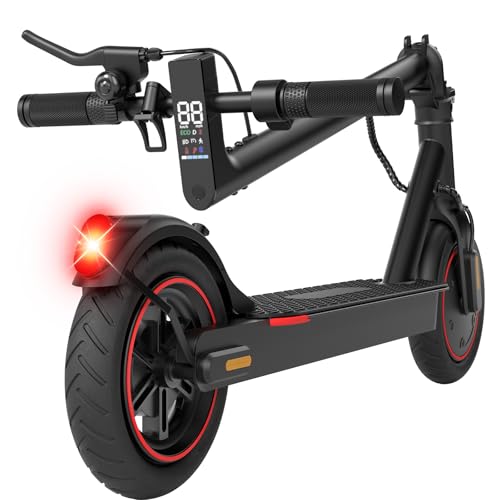
The HopCycle model targets teens and young riders with a 500W motor and top speeds around 18 mph. It provides a longer range—up to 21 miles on a single charge—and robust braking with both electronic and rear disc brakes, complemented by bright LED lighting for visibility. Its foldable design adds portability for school commutes or weekend adventures. This scooter is well-suited for older middle schoolers who want a balance of performance and safety without stepping up to adult-sized models.
MAXSHOT Electric Scooter

The MAXSHOT model offers a versatile blend of speed and range with speeds from 16 to 22 mph depending on configuration, and a robust range of up to 22 miles under favorable conditions. It features dual suspension and solid honeycomb tires to improve ride comfort on varied surfaces, plus a full load capacity suitable for teen riders. The LED display, smart control via a companion app, and lockable features deliver a contemporary user experience and safer operation for enthusiastic riders.
iScooter Electric Scooter

The iScooter blends a 500W motor with a top speed of 19 mph and up to 15 miles of range, making it suitable for teen commuting and campus navigation. It includes an app for control and monitoring, as well as a traditional LED display for quick status checks. Pneumatic tires help absorb road imperfections, contributing to a smoother ride on city streets and campus paths. This model suits teens who want a capable everyday scooter with a modern app-integrated experience.
Buying Guide: Key Purchase Considerations For 13-Year-Old Riders
- Speed and power: Prioritize models with adjustable speeds or lower maximums (around 9–16 mph) for younger or less experienced riders. For older teens, higher top speeds may be acceptable with appropriate safety gear.
- Braking system: Look for dual braking or a combination of electronic and mechanical brakes. Reliable stopping power is essential for urban and school-run use.
- Weight and portability: Folding designs help with storage in apartments, cars, or school lockers. Check the scooter’s weight and folded dimensions.
- Range and charging: Consider typical daily needs (school, park, errands). A range of 12–22 miles is generally sufficient for teens’ daily routines, with a charger that supports quick tops-ups.
- Safety features: Ensure good lighting for low-light hours, reflectors, and a throttle that starts with a controlled input. Adjustable handlebars and rider weight capacity are also important.
- Build and tires: Solid or pneumatic tires affect ride comfort and maintenance. Honeycomb or solid tires reduce flats but may offer a stiffer ride on rough terrain.
- App integration: Some models offer apps to monitor speed, battery, and cruise control. This can help caregivers supervise usage and tailor riding modes.
- Age suitability and sizing: Check recommended rider height and weight ranges to ensure the scooter fits tween and teen users appropriately.
- Maintenance and replacement parts: Availability of spare parts (brakes, tires, batteries) matters for long-term use and safety.
When selecting a scooter for a 13-year-old, consider not only the top speed but also the rider’s maturity, typical riding environments, and local regulations. Ensure that the chosen model includes essential safety features and that the rider wears protective gear (helmet, knee and elbow pads) during use. Always adhere to local laws regarding helmet requirements, age restrictions, and where the scooter can be operated.