Best Gross Motor Toys for Preschoolers: Top Picks for Active Learning
Parents and educators seek toys that promote physical development, coordination, and active play for preschoolers. The following five products offer engaging ways to build gross motor skills through jumping, balancing, climbing, and fine-tuned movement, all while encouraging imagination and safe, screen-free fun. Each item is evaluated for durability, age appropriateness, and play versatility to support active learning in both home and classroom settings.
| Product | Brand |
|---|---|
| Covelico Animal Exercise Dice | Covelico |
| IROO Balancing Stilts | IROO |
| RAEQKS Counting Sorting Dinosaur Toys | RAEQKS |
| Learning Resources Helping Hands Fine Motor Tool Set | Learning Resources |
| Learning Resources Spike The Fine Motor Hedgehog | Learning Resources |
Covelico Animal Exercise Dice For Kids

The Covelico animal movement dice transforms exercise into playful activity, featuring a 12-sided foam dice with 11 animal actions plus a “pick your own.” This design supports gross motor development through activities such as frog jumps, crab walks, and dinosaur stomps. Ideal for group games, recess activities, and physical education settings, it provides screen-free, indoor or outdoor exercise opportunities that boost coordination, balance, and strength while keeping children engaged and laughing.
IROO Balancing Stilts For Kids

The IROO Balancing Stilts set includes four pairs of colorful Monster Feet and adjustable ropes to accommodate growing children. Designed to boost gross motor skills, balance, and spatial awareness, these stilts can be used in both indoor and outdoor play. The textured, non-slip surfaces support safe exploration, while the stackable design makes storage easy. Suitable for kids aged around 4–8, the set offers versatile play opportunities from obstacle courses to individual balance challenges.
RAEQKS Counting Sorting Dinosaur Toys
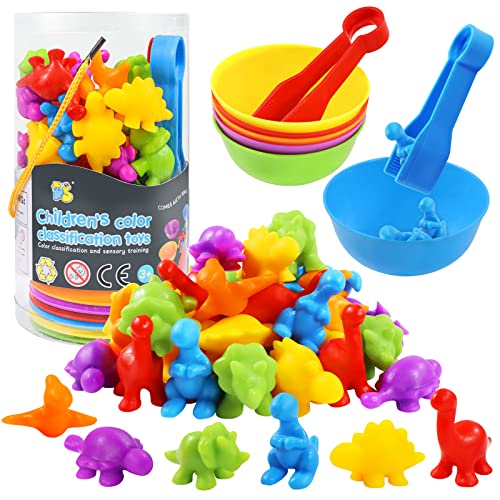
This Montessori-inspired set includes 48 dinosaurs, sorting bowls, tweezers, and a storage bucket. While primarily a fine motor and early math learning toy, it also encourages active manipulation, color recognition, and hand-eye coordination—essential components of gross motor development when integrated into physical play stations or cooperative games that involve sorting and stacking movements.
Learning Resources Helping Hands Fine Motor Tool Set
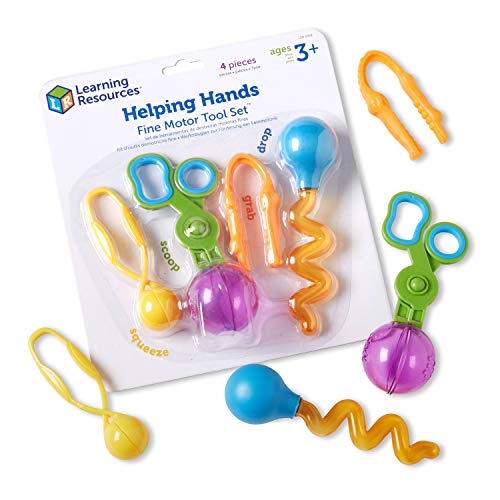
These four tools are designed to build hand strength and dexterity, supporting future writing and self-care tasks. Beyond fine motor benefits, they invite kids to participate in sensory play with various materials, encouraging controlled movements, precise grip, and coordinated finger actions that support overall motor development during active, hands-on learning sessions.
Learning Resources Spike The Fine Motor Hedgehog
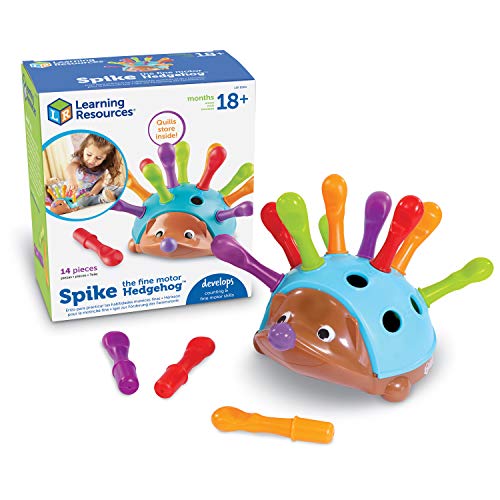
Spike The Fine Motor Hedgehog features colorful quills that toddlers can insert and remove, strengthening hand muscles and improving hand-eye coordination. It scales with the child’s development, starting with simple play and expanding to color, counting, and pattern recognition for preschoolers. The tactile quills provide engaging sensory feedback, promoting focused, active participation in fine motor tasks that complement gross motor activities.
Learning Resources Mini ABC Pops

Mini ABC Pops combines alphabet learning with fine motor play. Although primarily an early literacy tool, the popping action and color matching also encourage precise hand movements and dexterity. When integrated into imaginative play or movement-based activities, these pops contribute to a holistic approach to development that pairs cognitive skills with physical engagement.
Buying Guide: Key Purchase Considerations For Gross Motor Toys
- Age range and safety: Check recommended ages and any small parts. Prioritize sturdy construction and non-toxic materials for active daily use.
- Type of movement: Balance and coordination toys (stilts, balance beams, jumping aids) vs. multimodal play (dice with actions, sorting for fine motor cross-over) provide different development benefits.
- Indoor vs. outdoor suitability: Consider weather resistance, storage needs, and space requirements. Some toys are versatile for both environments.
- Durability and maintenance: Look for durable fabrics, reinforced joints, and easy cleaning to withstand frequent use by energetic preschoolers.
- Educational value: Evaluate how tools blend physical development with cognitive or sensory goals, such as color recognition, counting, or letter knowledge.
- Setup and versatility: Toy sets with adjustable features, multiple play modes, and compact storage help maximize long-term use and engagement.
- Cost and value: Compare initial cost against the range of activities and durability to determine long-term value for families or classrooms.
- Safety and supervision: Ensure adult guidance where needed, especially for items involving climbing, balancing, or small components.