Best Balance Bike for 18 Month Old: Top Toddler Models for Easy Riding
Parents exploring balance bikes for toddlers often seek options suitable for around 18 months. This guide highlights five age-appropriate choices designed to develop balance, coordination, and confidence without pedals. Each model emphasizes safety, adjustable fit, and durable construction for indoor and outdoor use. The selections below are organized to help you compare features, setup, and growth potential as your child transitions to a pedal bike.
| Product | Brand | Age Range | |
|---|---|---|---|
| SEREED Baby Balance Bike (Green) | SEREED | 12-24 months | 135° turning limit and gravity steering |
| Umatoll Toddler Balance Bike (White) | Umatoll | 18 months-5 years | Tool-free height adjustment |
| Bobike Toddler Balance Bike (Blue) | Bobike | 1-3 years | Enclosed non-slip wheels and adjustable seat |
| SEREED Toddler Balance Bike (White) | SEREED | 2-5 years | Quick-adjust seat and handlebars |
| KRIDDO Toddler Balance Bike (Red) | KRIDDO | 24 months-5 years | Customize plate with stickers |
SEREED Baby Balance Bike for 1-2 Year Olds
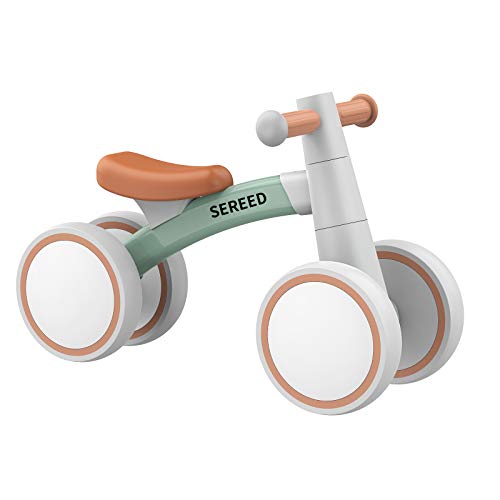
The SEREED balance bike is designed for the youngest riders with a pedal-free setup and a widened wheel base to reduce feet clamping. It includes a 135° turning limit and gravity steering to help prevent tipping while indoors or on smooth surfaces. The aluminum frame is lightweight, with a non-slip TPU grip and a comfortable seat to support early sitting and scooting.
Ideal for 12-24 months, this model aims to build early balance and steering skills. Its four-wheel footprint offers stability for new walkers transitioning to riding, making it a popular first bike gift for toddlers who are growing into independent mobility.
Umatoll Toddler Balance Bike 2 Year Old (White)

Umatoll offers a tool-free height-adjustment system for handlebars and seat, accommodating ages from 1.5 to 5 years. The durable carbon steel frame provides stability, while puncture-resistant all-terrain tires minimize maintenance and allow outdoor exploration. Non-slip handlebars and a supportive seat enhance safety as balance skills develop.
With a growing-fit design, this bike stays with a child as they mature, reducing the need for frequent replacements. It’s a practical choice for families seeking a single ride-on toy that scales with growth and varying terrains.
Bobike Toddler Balance Bike (Blue)

Bobike’s balance bike blends a sturdy carbon steel frame with an adjustable seat and enclosed, non-slip wheels for safety. The design prioritizes ease of assembly and quick readiness, enabling caregivers to set up the bike in minutes. The absence of pedals lets toddlers focus on balance, steering, and confidence-building movements from an early age.
Suitable for toddlers learning to balance, this model emphasizes stability and straightforward operation, helping transition toward pedal bikes with less friction as the child grows.
SEREED Toddler Balance Bike 2 Year Old (White)

This model features a wide, tough carbon steel frame and a soft saddle, supporting up to 110 lbs. The quick-release mechanism allows tool-free adjustments to seat height (12.6-17.1 inches) and handlebar height (19.6-22.5 inches). Its no-pedal design helps kids focus on balance and steering, with a customizable plate and stickers to personalize the bike.
Parents can expect a robust build designed to outlast early riding years while providing straightforward growth adjustments to fit a growing child’s dimensions and comfort needs.
KRIDDO Toddler Balance Bike 2 Year Old (Red)

KRIDDO’s balance bike presents an early-learning design for children 2 to 5 years old, with a 12-inch push bicycle frame and a customizable plate featuring three sticker sets. The bike emphasizes safety with rubber grips, a soft PU seat, and a wide carbon-steel frame holding up to 110 lbs. The ability to personalize the bike adds an engaging, creative element to the riding experience.
It focuses on steady balancing and gradual progression toward pedaling, making it a versatile option for families seeking a long-term balance bike that evolves with the child.”
Buying Guide: Key Purchase Considerations
- Age and growth range: Choose a model that fits your child now and can grow with them toward a pedal bike. Look for adjustable seat heights and handlebars to maximize the bike’s lifespan.
- Safety features: Prioritize enclosed or non-slip wheels, sturdy frames (carbon steel or aluminum), and a design that minimizes foot hazards.
- Weight and ergonomics: A lightweight yet sturdy frame makes handling easier for small riders and caregivers. A comfortable, adjustable seat height improves posture and balance training.
- Maintenance: Consider tires that are puncture-resistant or low-maintenance, and assess how easy it is to tighten or adjust components without tools.
- Indoor vs outdoor use: If primarily indoors, a model with compact dimensions and non-marking wheels can protect floors and furniture. Outdoor models should have robust tires and weather-resistant components.
- Personalization: Some models offer customizable plates or sticker sets, which can enhance a child’s interest and ownership in learning to ride.
- Assembly: Look for models advertised as quick to assemble with minimal tools, especially for busy parents and guardians.
- Price-to-value: Compare build quality, materials, and longevity across models to determine the best overall value for your family’s needs.