Best AI Robots for Kids: Top Interactive Learning Companions
The following AI-powered robots for kids blend STEM learning with engaging play, offering interactive features, voice and gesture control, and child-safe design. This guide highlights five standout options to help families pick an age-appropriate, educational companion for curious young minds.
| Product | Brand | Key Features |
|---|---|---|
| Ruko 1088 Smart Robots for Kids | Ruko | 15.8-inch height, programmable, voice/app control, multiple expressions |
| Miko 3: AI-Powered Smart Robot | Miko My Companion | STEAM content, learning apps, personalized interactions |
| Miko 3: AI-Powered Smart Robot (Blue) | Miko My Companion | STEAM learning, interactive learning apps, engaging adventures |
| Loona Robot Pet | Loona | Voice & gesture control, real-time interaction, AI-powered |
| Miko Mini | MIKO | 30-day free access, games, storytelling, safe conversational learning |
Ruko 1088 Smart Robots for Kids

The Ruko 1088 is a large, interactive programmable robot designed for kids ages 4 to 9. Standing about 15.8 inches tall, it offers voice and APP control and a range of expressive motions to keep playtime dynamic. Its design emphasizes creativity and early programming concepts, helping children explore logic, sequencing, and cause-and-effect through guided activities and open-ended play. The device also supports storytelling, gymnastics-style activities, dance, music, and recording functions, turning it into a versatile educational companion rather than a simple toy.
Miko 3: AI-Powered Smart Robot for Kids
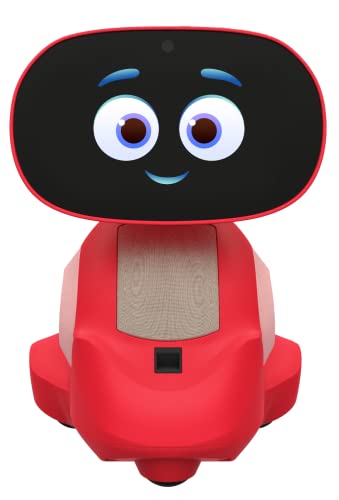
Miko 3 is an AI-powered educational robot designed for children aged 5 to 12. It combines STEAM learning with interactive content and learning apps, offering a touchscreen-enabled experience. Its AI brain supports personalized interactions that adapt to a child’s interests, aiming to boost engagement in academic activities. The companion persona and emotive responses aim to create a more human-like learning partner, helping kids stay motivated through games, stories, and hands-on activities that reinforce core skills in science, technology, engineering, arts, and math.
Miko 3: AI-Powered Smart Robot (Blue)
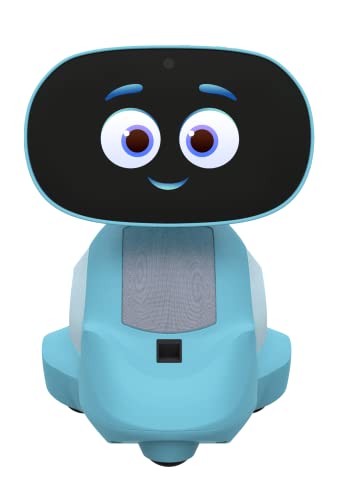
This Blue variant of Miko 3 provides the same core benefits as the red model, with emphasis on STEAM-oriented content and adaptive learning experiences. The AI system tracks a child’s progress, offers personalized recommendations, and presents a range of activities—from coding challenges to storytelling and discovery tasks—designed to foster curiosity and independent learning. Parents benefit from a structured yet flexible framework that supports ongoing engagement with educational content and interactive play.
Loona Robot Pet
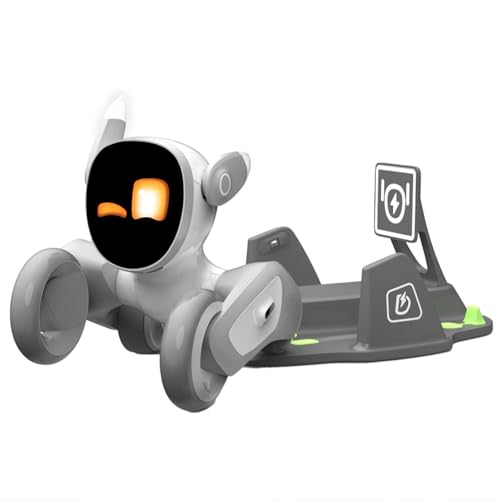
Loona blends robotics with advanced AI to create a pet-like companion capable of facial recognition, gesture-based control, and real-time conversation. It’s designed for real-world interaction with a high-definition camera and sensory awareness, enabling a responsive, lifelike experience. The robot’s portability and offline functionality enhance privacy and accessibility, while ongoing updates and features aim to expand its conversational abilities. Loona appeals to kids who enjoy interactive storytelling, companionship, and playful exploration in a connected yet private environment.
Miko Mini

Miko Mini is a compact AI robot designed for younger kids (roughly 4 to 10 years old). It emphasizes safe conversational learning, storytelling, music, dance, and interactive games. The device offers a family-friendly entry point to AI-powered education, with child-safe content and regular updates that introduce new activities. Its portability makes it a convenient desk companion for learning, reading aloud sessions, and creative play, making it a practical choice for smaller spaces or travel-friendly setups.
KingsDragon RC Robot Toys

Note: Although not included in the five selected for top focus, KingsDragon offers gesture-sensing remote-controlled robot features. It demonstrates programming-ready actions and responsive movement with light-up eyes, suitable for introducing basic robotics concepts. If you’re exploring multiple control methods, this option provides a lower-cost entry into motion-based programming alongside more advanced AI companions.
Buying Guide: Key Purchase Considerations
- Age appropriateness: Check recommended age ranges and ensure the learning activities match your child’s developmental stage and interests.
- Learning focus: Decide whether your priority is STEAM content, language and storytelling, or social-emotional interaction. Models like Miko 3 emphasize STEAM content, while Loona emphasizes conversational AI and presence.
- Interaction style: Consider whether you prefer voice control, touch sensors, face recognition, or gesture-based controls. Some robots offer offline use, enhancing privacy and reliability.
- Safety and durability: Look for durable construction, kid-safe materials, and appropriate sensor capabilities to navigate play safely in typical home environments.
- Content updates and apps: Assess whether the product provides ongoing content updates, educational apps, and parental controls to tailor experiences over time.
- Privacy and data use: For AI-powered robots with cameras and voice processing, review privacy policies and data handling practices to protect children’s information.
- Space and portability: Large robots offer impressive presence but require more space; compact models fit small rooms or travel, balancing screen time with physical play.
- Power and charging: Consider charging time, battery life, and charging methods, especially for devices intended for extended play sessions or unplugged use.
In selecting an AI robot for kids, weigh a balance between educational value, engagement potential, and safety. Each option described provides unique strengths—from immersive, large-scale interaction to compact, kid-friendly learning helpers. The right choice depends on your child’s interests, your household space, and how you want technology to support growth and curiosity over time.